
Gelsenkirchen
Kennedypl., 45881 Gelsenkirchen, Deutschland
Music Theater in the District | Program & Tickets
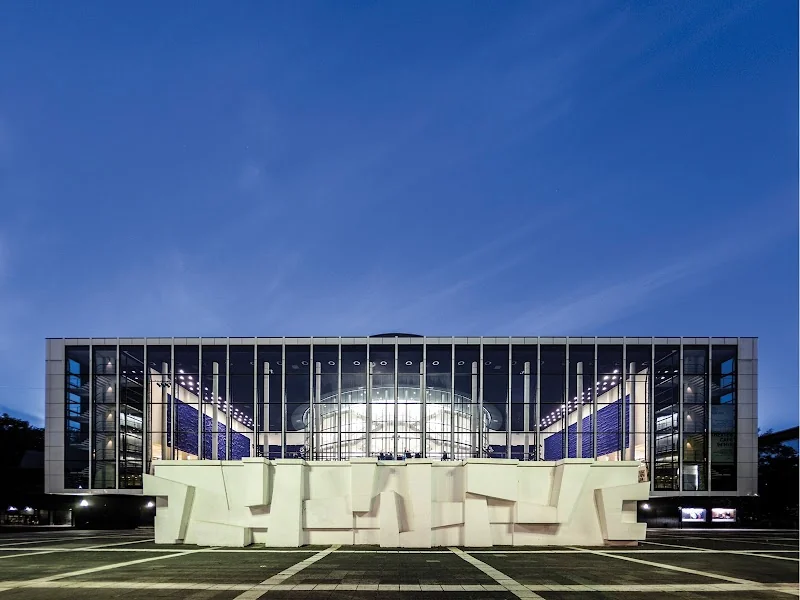
The Music Theater in the District in Gelsenkirchen is much more than a classic stage: it is a place where architecture, music, theater, and urban culture have come together in a special way since 1959. The building at Kennedyplatz is considered one of the outstanding theater buildings of the post-war period and has established itself over decades as a significant opera house in North Rhine-Westphalia. Those looking for programs, tickets, directions, parking, seating plans, or photos will quickly find a house that meets these search intentions with its open foyer, two performance venues, and versatile repertoire. The MiR stands for opera, operetta, musical, dance, concert, puppet theater, and new formats, thus offering a program that is consciously broad and appeals to both regular guests and curious first-time visitors. In the everyday life of the house, artistic ambition, audience proximity, and a clear connection to the city of Gelsenkirchen come together. This makes the MiR a location that wants to be experienced, not just visited. ([musiktheater-im-revier.de](https://musiktheater-im-revier.de/en/articles/2025-26/landing/musiktheater))
Program, Schedule, and Tickets at the Music Theater in the District
Those interested in the program of the Music Theater in the District will find a remarkable range in the schedule. The house presents works from the classical opera repertoire as well as operetta, musical, experimental formats, and regional themes. According to its own representation, the MiR presents up to 20 productions per season; in addition, there is a versatile ensemble of singers, choir, and the New Philharmonic Westphalia. This mix is crucial for search queries related to program, operetta, Christmas concert, Advent singing, theater festival, or music brunch, as the MiR is not a house for just one genre, but for many different experiences. The schedule itself confirms this diversity: large opera evenings in the Large House stand alongside formats in the Small House, foyer events, concerts, family offerings, and special projects. This creates a calendar that appeals not only to classical opera lovers but also to concert, musical, and theater audiences. Tickets are available at the theater box office, online, and for many dates also in the form of subscriptions or card offers. The evening box office opens 60 minutes before the performance begins; last-minute tickets are available depending on the house and availability at reduced prices. This makes the MiR attractive for spontaneous visits as well as for planned cultural evenings. From an SEO perspective, these terms are central: program, tickets, evening box office, premiere, concert, opera, operetta, and musical form the strongest search motives. ([musiktheater-im-revier.de](https://musiktheater-im-revier.de/en/articles/2025-26/landing/musiktheater))
Directions, Parking, and Kennedyplatz in Gelsenkirchen
The directions to the Music Theater in the District are an important search and service factor because many visitors want to know in advance how to best reach the building at Kennedyplatz. The MiR points out that each ticket also serves as a VRR ticket, allowing for free round trips within the transport association. From Gelsenkirchen Central Station, it is only two tram stops to the Music Theater station, which is served by lines 107, 301, and 302, among others. This connection is particularly convenient for guests from Gelsenkirchen and the entire Ruhr area, as it allows for an uncomplicated theater visit without the hassle of searching for parking. Regarding parking, the house is open and realistic: there are a limited number of free parking spaces available starting one hour before the performance, but the MiR explicitly recommends early arrival as well as additional parking options in the vicinity or taking public transport. This is an important note, especially for popular dates, premieres, or special events. The Kennedyplatz itself is also relevant as an address because it clearly locates the theater in the center of the city and facilitates orientation. Search queries like Kennedyplatz Gelsenkirchen, directions to the Music Theater in the District, or parking at the MiR have a clear practical basis. Those visiting the house for the first time should plan for public transport as the most convenient option and allow some buffer time when using their own car. This is especially true on busy evenings and for events with large audiences. ([musiktheater-im-revier.de](https://musiktheater-im-revier.de/en/articles/2025-26/service/anreise))
Seating Plan, Large House, and Small House: Seats, Perspectives, and View of the Stage
For many visitors, the anticipation of an evening at the MiR begins with the seating plan. The Music Theater in the District has at least two central performance venues, the Large House and the Small House. The Large House is the most prominent hall of the house and is described in official and regional sources as having around 1,008 seats; in the theater context, it is referred to as a large stage for more than 1,000 spectators. The seating plans of the house also make it clear that the Large House is divided into different price groups, parquet, boxes, and tier areas. For concerts, a slightly modified seating plan applies, which can be important for choosing the right seat. The Small House complements the grand opera experience with a more intimate performance atmosphere, which is used for smaller formats, experimental works, or special evenings. The search intentions for seating plan, best seats, Large House, and Small House show that guests want to know in advance how close they will sit to the stage, what sightlines are possible, and which hall shape is suitable for the respective evening. The MiR itself emphasizes the proximity behind the scenes, the differentiated character of the space, and the special atmosphere of the house during tours and service offerings. Additionally, the foyer is architecturally designed to be open and makes the theater visit an experience even before the actual entry. For visitors, this means: those who book an opera or concert ticket not only experience a performance but also a spatial feeling that thrives on openness, sightlines, and the staging of the entire building. Especially for premieres, musicals, and concerts, it is worth paying attention to the respective seating plan, as the house uses different seating arrangements depending on the format. ([musiktheater-im-revier.de](https://musiktheater-im-revier.de/en/articles/2025-26/landing/musiktheater))
History, Architectural Art, and the Foyer of the Century
The history of the Music Theater in the District is closely linked to the architecture of Werner Ruhnau. The house was opened in 1959 and is considered a visionary work of the post-war period. On the official architectural page, the MiR describes the building as a work of art that serves not only the theater but is also part of the overall artistic concept. Ruhnau integrated visual art into the architecture, including works by Norbert Kricke, Jean Tinguely, Robert Adams, Paul Dierkes, and Yves Klein. This connection between architectural art and art in space is one of the reasons why the MiR still appears so distinctive today. The foyer is particularly famous, referred to in official materials as the foyer of the century. The then-novel openness, the glass surfaces, the sight relationships, and the generous character of the house create an atmosphere that still feels modern and not like a historical museum piece, but like a vibrant cultural venue. The fact that the theater attracted international attention upon its inception is also reflected in the role of Yves Klein, whose iconic blue works found a special stage in Gelsenkirchen. For visitors looking for photos and special features, this aspect is particularly relevant: the MiR is not just any theater building, but a place where architecture, color, space, and art have been consciously thought together. The official representation speaks of an outstanding theater building of the post-war period and a cultural quality that impresses even from today’s perspective. Therefore, those who visit the MiR experience not only the evening on stage but also an architectural narrative that shapes the entire theater visit. This explains why many people search for images, reviews, and background information: the house provides material for all three perspectives at once. ([musiktheater-im-revier.de](https://musiktheater-im-revier.de/de/baukunst))
Accessibility, Service, and Gastronomy at the MiR
The convincing overall picture of the Music Theater in the District includes a service offering that addresses different needs. The house provides accessible elevators in both the Large and Small Houses that lead directly to the performance venue. Wheelchair users and companions should reserve suitable seats when purchasing tickets; the entrance staff assists on-site in reaching the seats. For people with visual impairments, there is also the offer Hör.Oper, which includes selected productions with live audio description. The MiR points out that this offering has been pioneering for blind and visually impaired visitors since 2010. In addition, there are tactile tours and formats where the stage, props, and costumes can be experienced in advance. Beyond accessibility, the service orientation of the house is also evident. For culinary theater evenings, the MiR collaborates with catering services; the gastronomy opens one hour before the performance begins and during the intermissions. Particularly the music brunch in the light-flooded foyer of the Large House is a good example of how the theater experience is expanded: buffet, music, and a glimpse of upcoming premieres combine here into an informal cultural format that appeals to very different target groups. Theater tours are also a fixed part of the house. They provide insights behind the scenes, show work processes, and make the theater operation tangible. This mix of accessibility, gastronomy, and mediation is a strong theme for SEO because many users not only ask about the performance itself but also about comfort, barrier-free access, accompanying offers, and additional experiences. The MiR answers all these questions with a clear, audience-oriented concept. ([musiktheater-im-revier.de](https://musiktheater-im-revier.de/de/articles/2025-26/service/barrierefrei))
Photos, Reviews, and Why the Music Theater in the District is So Popular
Those searching for photos, reviews, or impressions of the Music Theater in the District are usually looking for a mix of atmosphere, quality, and orientation. It is precisely at this point that the MiR scores on multiple levels. On the one hand, the house offers a distinctive appearance: the glass facade, the large foyer, the visible art in the space, and the striking post-war architecture provide strong motifs for images and social media. On the other hand, the content side impresses with a schedule that ranges from classical opera to operetta and musical to puppet theater, dance, and concert. This diversity explains why the MiR is relevant not only for opera lovers but also for families, culture enthusiasts, and people looking for special evenings. Additionally, the clear focus on audience proximity is a plus: tours, music brunch, participatory formats, barrier-free offerings, and easily findable directions make the visit low-threshold yet high-quality. The regional anchoring is also a plus point because the MiR repeatedly addresses themes from the Ruhr area and translates them into artistic formats. Therefore, reviews and photo searches often reflect the same impression: the house is historically rich but not heavy; artistic but open; traditional but experimental. This mix makes it so attractive for visitors. Those looking for a cultural destination with character will find here an opera house that not only presents performances but offers a whole visit mode. From the first glimpse of the foyer to the path to the hall and the last scene on stage, a coherent overall experience is created that sustainably explains the good reputation of the house. ([musiktheater-im-revier.de](https://musiktheater-im-revier.de/en/articles/2025-26/landing/musiktheater))
Sources:
- Music Theater in the District – About Us, Schedule, and Ensemble ([musiktheater-im-revier.de](https://musiktheater-im-revier.de/en/articles/2025-26/landing/musiktheater))
- Music Theater in the District – Directions, Parking, and Service ([musiktheater-im-revier.de](https://musiktheater-im-revier.de/en/articles/2025-26/service/anreise))
- Music Theater in the District – Architectural Art and Background ([musiktheater-im-revier.de](https://musiktheater-im-revier.de/de/baukunst))
- Music Theater in the District – Barrier-Free and Hör.Oper ([musiktheater-im-revier.de](https://musiktheater-im-revier.de/de/articles/2025-26/service/barrierefrei))
- Music Theater in the District – Tickets and Evening Box Office ([musiktheater-im-revier.de](https://musiktheater-im-revier.de/de/articles/2025-26/service/tickets?utm_source=openai))
- Music Theater in the District – Music Brunch, Theater Tours, and Gastronomy ([musiktheater-im-revier.de](https://musiktheater-im-revier.de/de/performance/2025-26/musikbrunch))
Show moreShow less
Music Theater in the District | Program & Tickets
The Music Theater in the District in Gelsenkirchen is much more than a classic stage: it is a place where architecture, music, theater, and urban culture have come together in a special way since 1959. The building at Kennedyplatz is considered one of the outstanding theater buildings of the post-war period and has established itself over decades as a significant opera house in North Rhine-Westphalia. Those looking for programs, tickets, directions, parking, seating plans, or photos will quickly find a house that meets these search intentions with its open foyer, two performance venues, and versatile repertoire. The MiR stands for opera, operetta, musical, dance, concert, puppet theater, and new formats, thus offering a program that is consciously broad and appeals to both regular guests and curious first-time visitors. In the everyday life of the house, artistic ambition, audience proximity, and a clear connection to the city of Gelsenkirchen come together. This makes the MiR a location that wants to be experienced, not just visited. ([musiktheater-im-revier.de](https://musiktheater-im-revier.de/en/articles/2025-26/landing/musiktheater))
Program, Schedule, and Tickets at the Music Theater in the District
Those interested in the program of the Music Theater in the District will find a remarkable range in the schedule. The house presents works from the classical opera repertoire as well as operetta, musical, experimental formats, and regional themes. According to its own representation, the MiR presents up to 20 productions per season; in addition, there is a versatile ensemble of singers, choir, and the New Philharmonic Westphalia. This mix is crucial for search queries related to program, operetta, Christmas concert, Advent singing, theater festival, or music brunch, as the MiR is not a house for just one genre, but for many different experiences. The schedule itself confirms this diversity: large opera evenings in the Large House stand alongside formats in the Small House, foyer events, concerts, family offerings, and special projects. This creates a calendar that appeals not only to classical opera lovers but also to concert, musical, and theater audiences. Tickets are available at the theater box office, online, and for many dates also in the form of subscriptions or card offers. The evening box office opens 60 minutes before the performance begins; last-minute tickets are available depending on the house and availability at reduced prices. This makes the MiR attractive for spontaneous visits as well as for planned cultural evenings. From an SEO perspective, these terms are central: program, tickets, evening box office, premiere, concert, opera, operetta, and musical form the strongest search motives. ([musiktheater-im-revier.de](https://musiktheater-im-revier.de/en/articles/2025-26/landing/musiktheater))
Directions, Parking, and Kennedyplatz in Gelsenkirchen
The directions to the Music Theater in the District are an important search and service factor because many visitors want to know in advance how to best reach the building at Kennedyplatz. The MiR points out that each ticket also serves as a VRR ticket, allowing for free round trips within the transport association. From Gelsenkirchen Central Station, it is only two tram stops to the Music Theater station, which is served by lines 107, 301, and 302, among others. This connection is particularly convenient for guests from Gelsenkirchen and the entire Ruhr area, as it allows for an uncomplicated theater visit without the hassle of searching for parking. Regarding parking, the house is open and realistic: there are a limited number of free parking spaces available starting one hour before the performance, but the MiR explicitly recommends early arrival as well as additional parking options in the vicinity or taking public transport. This is an important note, especially for popular dates, premieres, or special events. The Kennedyplatz itself is also relevant as an address because it clearly locates the theater in the center of the city and facilitates orientation. Search queries like Kennedyplatz Gelsenkirchen, directions to the Music Theater in the District, or parking at the MiR have a clear practical basis. Those visiting the house for the first time should plan for public transport as the most convenient option and allow some buffer time when using their own car. This is especially true on busy evenings and for events with large audiences. ([musiktheater-im-revier.de](https://musiktheater-im-revier.de/en/articles/2025-26/service/anreise))
Seating Plan, Large House, and Small House: Seats, Perspectives, and View of the Stage
For many visitors, the anticipation of an evening at the MiR begins with the seating plan. The Music Theater in the District has at least two central performance venues, the Large House and the Small House. The Large House is the most prominent hall of the house and is described in official and regional sources as having around 1,008 seats; in the theater context, it is referred to as a large stage for more than 1,000 spectators. The seating plans of the house also make it clear that the Large House is divided into different price groups, parquet, boxes, and tier areas. For concerts, a slightly modified seating plan applies, which can be important for choosing the right seat. The Small House complements the grand opera experience with a more intimate performance atmosphere, which is used for smaller formats, experimental works, or special evenings. The search intentions for seating plan, best seats, Large House, and Small House show that guests want to know in advance how close they will sit to the stage, what sightlines are possible, and which hall shape is suitable for the respective evening. The MiR itself emphasizes the proximity behind the scenes, the differentiated character of the space, and the special atmosphere of the house during tours and service offerings. Additionally, the foyer is architecturally designed to be open and makes the theater visit an experience even before the actual entry. For visitors, this means: those who book an opera or concert ticket not only experience a performance but also a spatial feeling that thrives on openness, sightlines, and the staging of the entire building. Especially for premieres, musicals, and concerts, it is worth paying attention to the respective seating plan, as the house uses different seating arrangements depending on the format. ([musiktheater-im-revier.de](https://musiktheater-im-revier.de/en/articles/2025-26/landing/musiktheater))
History, Architectural Art, and the Foyer of the Century
The history of the Music Theater in the District is closely linked to the architecture of Werner Ruhnau. The house was opened in 1959 and is considered a visionary work of the post-war period. On the official architectural page, the MiR describes the building as a work of art that serves not only the theater but is also part of the overall artistic concept. Ruhnau integrated visual art into the architecture, including works by Norbert Kricke, Jean Tinguely, Robert Adams, Paul Dierkes, and Yves Klein. This connection between architectural art and art in space is one of the reasons why the MiR still appears so distinctive today. The foyer is particularly famous, referred to in official materials as the foyer of the century. The then-novel openness, the glass surfaces, the sight relationships, and the generous character of the house create an atmosphere that still feels modern and not like a historical museum piece, but like a vibrant cultural venue. The fact that the theater attracted international attention upon its inception is also reflected in the role of Yves Klein, whose iconic blue works found a special stage in Gelsenkirchen. For visitors looking for photos and special features, this aspect is particularly relevant: the MiR is not just any theater building, but a place where architecture, color, space, and art have been consciously thought together. The official representation speaks of an outstanding theater building of the post-war period and a cultural quality that impresses even from today’s perspective. Therefore, those who visit the MiR experience not only the evening on stage but also an architectural narrative that shapes the entire theater visit. This explains why many people search for images, reviews, and background information: the house provides material for all three perspectives at once. ([musiktheater-im-revier.de](https://musiktheater-im-revier.de/de/baukunst))
Accessibility, Service, and Gastronomy at the MiR
The convincing overall picture of the Music Theater in the District includes a service offering that addresses different needs. The house provides accessible elevators in both the Large and Small Houses that lead directly to the performance venue. Wheelchair users and companions should reserve suitable seats when purchasing tickets; the entrance staff assists on-site in reaching the seats. For people with visual impairments, there is also the offer Hör.Oper, which includes selected productions with live audio description. The MiR points out that this offering has been pioneering for blind and visually impaired visitors since 2010. In addition, there are tactile tours and formats where the stage, props, and costumes can be experienced in advance. Beyond accessibility, the service orientation of the house is also evident. For culinary theater evenings, the MiR collaborates with catering services; the gastronomy opens one hour before the performance begins and during the intermissions. Particularly the music brunch in the light-flooded foyer of the Large House is a good example of how the theater experience is expanded: buffet, music, and a glimpse of upcoming premieres combine here into an informal cultural format that appeals to very different target groups. Theater tours are also a fixed part of the house. They provide insights behind the scenes, show work processes, and make the theater operation tangible. This mix of accessibility, gastronomy, and mediation is a strong theme for SEO because many users not only ask about the performance itself but also about comfort, barrier-free access, accompanying offers, and additional experiences. The MiR answers all these questions with a clear, audience-oriented concept. ([musiktheater-im-revier.de](https://musiktheater-im-revier.de/de/articles/2025-26/service/barrierefrei))
Photos, Reviews, and Why the Music Theater in the District is So Popular
Those searching for photos, reviews, or impressions of the Music Theater in the District are usually looking for a mix of atmosphere, quality, and orientation. It is precisely at this point that the MiR scores on multiple levels. On the one hand, the house offers a distinctive appearance: the glass facade, the large foyer, the visible art in the space, and the striking post-war architecture provide strong motifs for images and social media. On the other hand, the content side impresses with a schedule that ranges from classical opera to operetta and musical to puppet theater, dance, and concert. This diversity explains why the MiR is relevant not only for opera lovers but also for families, culture enthusiasts, and people looking for special evenings. Additionally, the clear focus on audience proximity is a plus: tours, music brunch, participatory formats, barrier-free offerings, and easily findable directions make the visit low-threshold yet high-quality. The regional anchoring is also a plus point because the MiR repeatedly addresses themes from the Ruhr area and translates them into artistic formats. Therefore, reviews and photo searches often reflect the same impression: the house is historically rich but not heavy; artistic but open; traditional but experimental. This mix makes it so attractive for visitors. Those looking for a cultural destination with character will find here an opera house that not only presents performances but offers a whole visit mode. From the first glimpse of the foyer to the path to the hall and the last scene on stage, a coherent overall experience is created that sustainably explains the good reputation of the house. ([musiktheater-im-revier.de](https://musiktheater-im-revier.de/en/articles/2025-26/landing/musiktheater))
Sources:
- Music Theater in the District – About Us, Schedule, and Ensemble ([musiktheater-im-revier.de](https://musiktheater-im-revier.de/en/articles/2025-26/landing/musiktheater))
- Music Theater in the District – Directions, Parking, and Service ([musiktheater-im-revier.de](https://musiktheater-im-revier.de/en/articles/2025-26/service/anreise))
- Music Theater in the District – Architectural Art and Background ([musiktheater-im-revier.de](https://musiktheater-im-revier.de/de/baukunst))
- Music Theater in the District – Barrier-Free and Hör.Oper ([musiktheater-im-revier.de](https://musiktheater-im-revier.de/de/articles/2025-26/service/barrierefrei))
- Music Theater in the District – Tickets and Evening Box Office ([musiktheater-im-revier.de](https://musiktheater-im-revier.de/de/articles/2025-26/service/tickets?utm_source=openai))
- Music Theater in the District – Music Brunch, Theater Tours, and Gastronomy ([musiktheater-im-revier.de](https://musiktheater-im-revier.de/de/performance/2025-26/musikbrunch))
Music Theater in the District | Program & Tickets
The Music Theater in the District in Gelsenkirchen is much more than a classic stage: it is a place where architecture, music, theater, and urban culture have come together in a special way since 1959. The building at Kennedyplatz is considered one of the outstanding theater buildings of the post-war period and has established itself over decades as a significant opera house in North Rhine-Westphalia. Those looking for programs, tickets, directions, parking, seating plans, or photos will quickly find a house that meets these search intentions with its open foyer, two performance venues, and versatile repertoire. The MiR stands for opera, operetta, musical, dance, concert, puppet theater, and new formats, thus offering a program that is consciously broad and appeals to both regular guests and curious first-time visitors. In the everyday life of the house, artistic ambition, audience proximity, and a clear connection to the city of Gelsenkirchen come together. This makes the MiR a location that wants to be experienced, not just visited. ([musiktheater-im-revier.de](https://musiktheater-im-revier.de/en/articles/2025-26/landing/musiktheater))
Program, Schedule, and Tickets at the Music Theater in the District
Those interested in the program of the Music Theater in the District will find a remarkable range in the schedule. The house presents works from the classical opera repertoire as well as operetta, musical, experimental formats, and regional themes. According to its own representation, the MiR presents up to 20 productions per season; in addition, there is a versatile ensemble of singers, choir, and the New Philharmonic Westphalia. This mix is crucial for search queries related to program, operetta, Christmas concert, Advent singing, theater festival, or music brunch, as the MiR is not a house for just one genre, but for many different experiences. The schedule itself confirms this diversity: large opera evenings in the Large House stand alongside formats in the Small House, foyer events, concerts, family offerings, and special projects. This creates a calendar that appeals not only to classical opera lovers but also to concert, musical, and theater audiences. Tickets are available at the theater box office, online, and for many dates also in the form of subscriptions or card offers. The evening box office opens 60 minutes before the performance begins; last-minute tickets are available depending on the house and availability at reduced prices. This makes the MiR attractive for spontaneous visits as well as for planned cultural evenings. From an SEO perspective, these terms are central: program, tickets, evening box office, premiere, concert, opera, operetta, and musical form the strongest search motives. ([musiktheater-im-revier.de](https://musiktheater-im-revier.de/en/articles/2025-26/landing/musiktheater))
Directions, Parking, and Kennedyplatz in Gelsenkirchen
The directions to the Music Theater in the District are an important search and service factor because many visitors want to know in advance how to best reach the building at Kennedyplatz. The MiR points out that each ticket also serves as a VRR ticket, allowing for free round trips within the transport association. From Gelsenkirchen Central Station, it is only two tram stops to the Music Theater station, which is served by lines 107, 301, and 302, among others. This connection is particularly convenient for guests from Gelsenkirchen and the entire Ruhr area, as it allows for an uncomplicated theater visit without the hassle of searching for parking. Regarding parking, the house is open and realistic: there are a limited number of free parking spaces available starting one hour before the performance, but the MiR explicitly recommends early arrival as well as additional parking options in the vicinity or taking public transport. This is an important note, especially for popular dates, premieres, or special events. The Kennedyplatz itself is also relevant as an address because it clearly locates the theater in the center of the city and facilitates orientation. Search queries like Kennedyplatz Gelsenkirchen, directions to the Music Theater in the District, or parking at the MiR have a clear practical basis. Those visiting the house for the first time should plan for public transport as the most convenient option and allow some buffer time when using their own car. This is especially true on busy evenings and for events with large audiences. ([musiktheater-im-revier.de](https://musiktheater-im-revier.de/en/articles/2025-26/service/anreise))
Seating Plan, Large House, and Small House: Seats, Perspectives, and View of the Stage
For many visitors, the anticipation of an evening at the MiR begins with the seating plan. The Music Theater in the District has at least two central performance venues, the Large House and the Small House. The Large House is the most prominent hall of the house and is described in official and regional sources as having around 1,008 seats; in the theater context, it is referred to as a large stage for more than 1,000 spectators. The seating plans of the house also make it clear that the Large House is divided into different price groups, parquet, boxes, and tier areas. For concerts, a slightly modified seating plan applies, which can be important for choosing the right seat. The Small House complements the grand opera experience with a more intimate performance atmosphere, which is used for smaller formats, experimental works, or special evenings. The search intentions for seating plan, best seats, Large House, and Small House show that guests want to know in advance how close they will sit to the stage, what sightlines are possible, and which hall shape is suitable for the respective evening. The MiR itself emphasizes the proximity behind the scenes, the differentiated character of the space, and the special atmosphere of the house during tours and service offerings. Additionally, the foyer is architecturally designed to be open and makes the theater visit an experience even before the actual entry. For visitors, this means: those who book an opera or concert ticket not only experience a performance but also a spatial feeling that thrives on openness, sightlines, and the staging of the entire building. Especially for premieres, musicals, and concerts, it is worth paying attention to the respective seating plan, as the house uses different seating arrangements depending on the format. ([musiktheater-im-revier.de](https://musiktheater-im-revier.de/en/articles/2025-26/landing/musiktheater))
History, Architectural Art, and the Foyer of the Century
The history of the Music Theater in the District is closely linked to the architecture of Werner Ruhnau. The house was opened in 1959 and is considered a visionary work of the post-war period. On the official architectural page, the MiR describes the building as a work of art that serves not only the theater but is also part of the overall artistic concept. Ruhnau integrated visual art into the architecture, including works by Norbert Kricke, Jean Tinguely, Robert Adams, Paul Dierkes, and Yves Klein. This connection between architectural art and art in space is one of the reasons why the MiR still appears so distinctive today. The foyer is particularly famous, referred to in official materials as the foyer of the century. The then-novel openness, the glass surfaces, the sight relationships, and the generous character of the house create an atmosphere that still feels modern and not like a historical museum piece, but like a vibrant cultural venue. The fact that the theater attracted international attention upon its inception is also reflected in the role of Yves Klein, whose iconic blue works found a special stage in Gelsenkirchen. For visitors looking for photos and special features, this aspect is particularly relevant: the MiR is not just any theater building, but a place where architecture, color, space, and art have been consciously thought together. The official representation speaks of an outstanding theater building of the post-war period and a cultural quality that impresses even from today’s perspective. Therefore, those who visit the MiR experience not only the evening on stage but also an architectural narrative that shapes the entire theater visit. This explains why many people search for images, reviews, and background information: the house provides material for all three perspectives at once. ([musiktheater-im-revier.de](https://musiktheater-im-revier.de/de/baukunst))
Accessibility, Service, and Gastronomy at the MiR
The convincing overall picture of the Music Theater in the District includes a service offering that addresses different needs. The house provides accessible elevators in both the Large and Small Houses that lead directly to the performance venue. Wheelchair users and companions should reserve suitable seats when purchasing tickets; the entrance staff assists on-site in reaching the seats. For people with visual impairments, there is also the offer Hör.Oper, which includes selected productions with live audio description. The MiR points out that this offering has been pioneering for blind and visually impaired visitors since 2010. In addition, there are tactile tours and formats where the stage, props, and costumes can be experienced in advance. Beyond accessibility, the service orientation of the house is also evident. For culinary theater evenings, the MiR collaborates with catering services; the gastronomy opens one hour before the performance begins and during the intermissions. Particularly the music brunch in the light-flooded foyer of the Large House is a good example of how the theater experience is expanded: buffet, music, and a glimpse of upcoming premieres combine here into an informal cultural format that appeals to very different target groups. Theater tours are also a fixed part of the house. They provide insights behind the scenes, show work processes, and make the theater operation tangible. This mix of accessibility, gastronomy, and mediation is a strong theme for SEO because many users not only ask about the performance itself but also about comfort, barrier-free access, accompanying offers, and additional experiences. The MiR answers all these questions with a clear, audience-oriented concept. ([musiktheater-im-revier.de](https://musiktheater-im-revier.de/de/articles/2025-26/service/barrierefrei))
Photos, Reviews, and Why the Music Theater in the District is So Popular
Those searching for photos, reviews, or impressions of the Music Theater in the District are usually looking for a mix of atmosphere, quality, and orientation. It is precisely at this point that the MiR scores on multiple levels. On the one hand, the house offers a distinctive appearance: the glass facade, the large foyer, the visible art in the space, and the striking post-war architecture provide strong motifs for images and social media. On the other hand, the content side impresses with a schedule that ranges from classical opera to operetta and musical to puppet theater, dance, and concert. This diversity explains why the MiR is relevant not only for opera lovers but also for families, culture enthusiasts, and people looking for special evenings. Additionally, the clear focus on audience proximity is a plus: tours, music brunch, participatory formats, barrier-free offerings, and easily findable directions make the visit low-threshold yet high-quality. The regional anchoring is also a plus point because the MiR repeatedly addresses themes from the Ruhr area and translates them into artistic formats. Therefore, reviews and photo searches often reflect the same impression: the house is historically rich but not heavy; artistic but open; traditional but experimental. This mix makes it so attractive for visitors. Those looking for a cultural destination with character will find here an opera house that not only presents performances but offers a whole visit mode. From the first glimpse of the foyer to the path to the hall and the last scene on stage, a coherent overall experience is created that sustainably explains the good reputation of the house. ([musiktheater-im-revier.de](https://musiktheater-im-revier.de/en/articles/2025-26/landing/musiktheater))
Sources:
- Music Theater in the District – About Us, Schedule, and Ensemble ([musiktheater-im-revier.de](https://musiktheater-im-revier.de/en/articles/2025-26/landing/musiktheater))
- Music Theater in the District – Directions, Parking, and Service ([musiktheater-im-revier.de](https://musiktheater-im-revier.de/en/articles/2025-26/service/anreise))
- Music Theater in the District – Architectural Art and Background ([musiktheater-im-revier.de](https://musiktheater-im-revier.de/de/baukunst))
- Music Theater in the District – Barrier-Free and Hör.Oper ([musiktheater-im-revier.de](https://musiktheater-im-revier.de/de/articles/2025-26/service/barrierefrei))
- Music Theater in the District – Tickets and Evening Box Office ([musiktheater-im-revier.de](https://musiktheater-im-revier.de/de/articles/2025-26/service/tickets?utm_source=openai))
- Music Theater in the District – Music Brunch, Theater Tours, and Gastronomy ([musiktheater-im-revier.de](https://musiktheater-im-revier.de/de/performance/2025-26/musikbrunch))
Upcoming Events
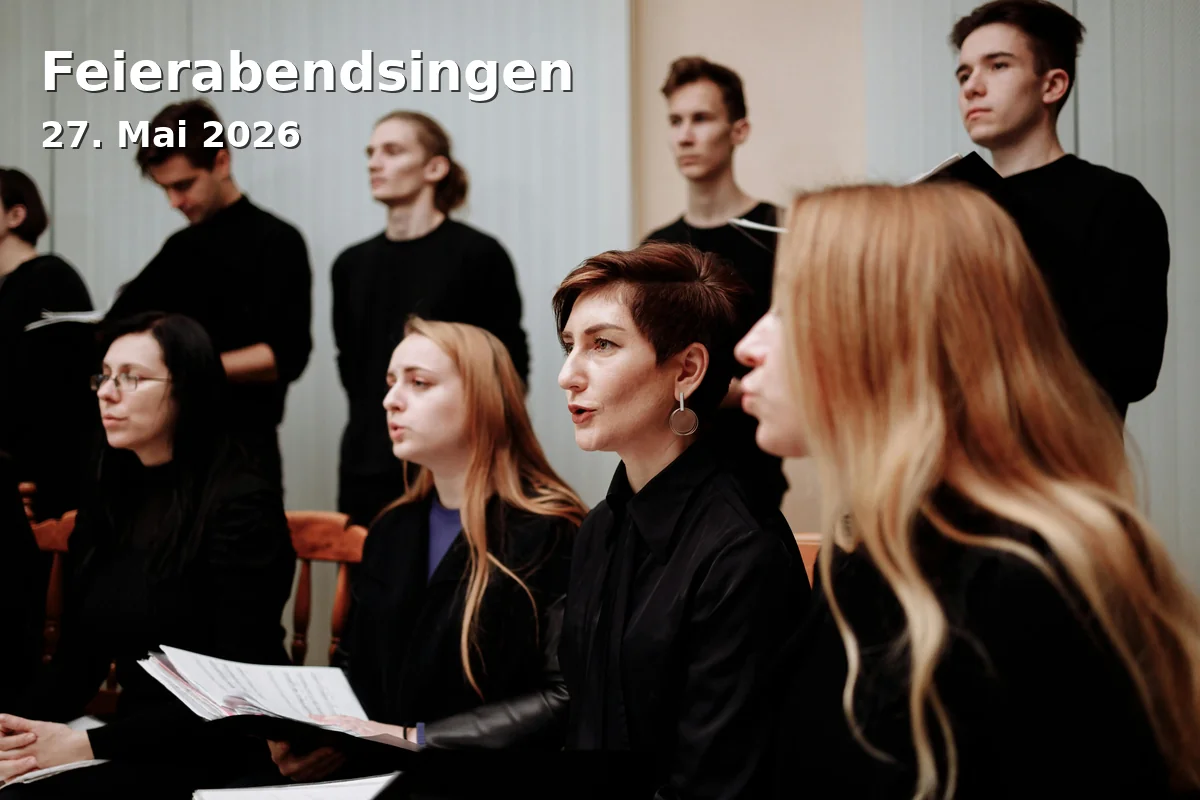
Evening Singing
Immerse yourself in the Evening Singing at the Music Theatre in the Revier. A relaxed evening full of music and community awaits you.
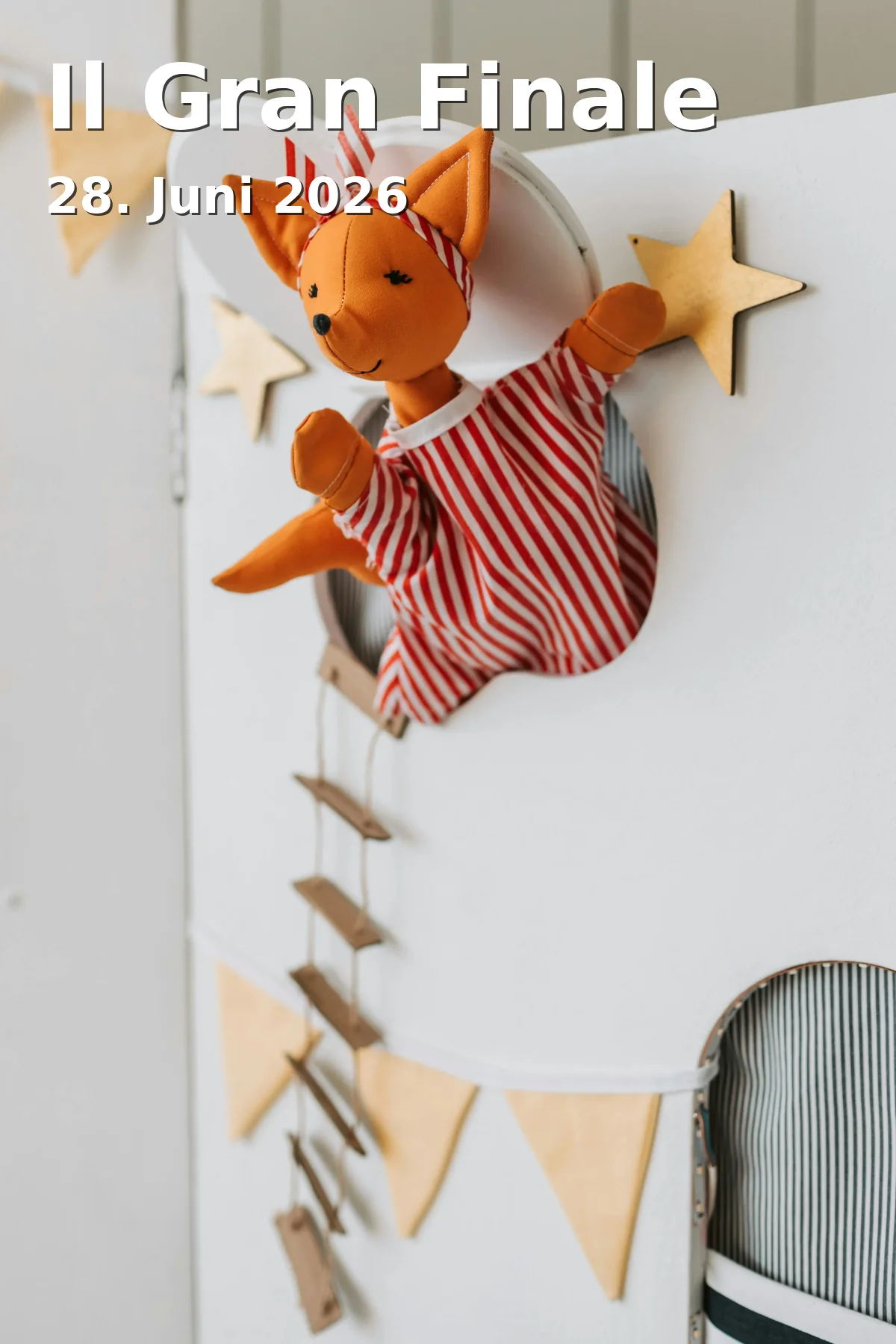
The Grand Finale
Attend the impressive finale of The Grand Finale on June 28 at Musiktheater im Revier and experience an unparalleled blend of ballet and theater.
Frequently Asked Questions
Reviews
No reviews found