
Corny Littmann
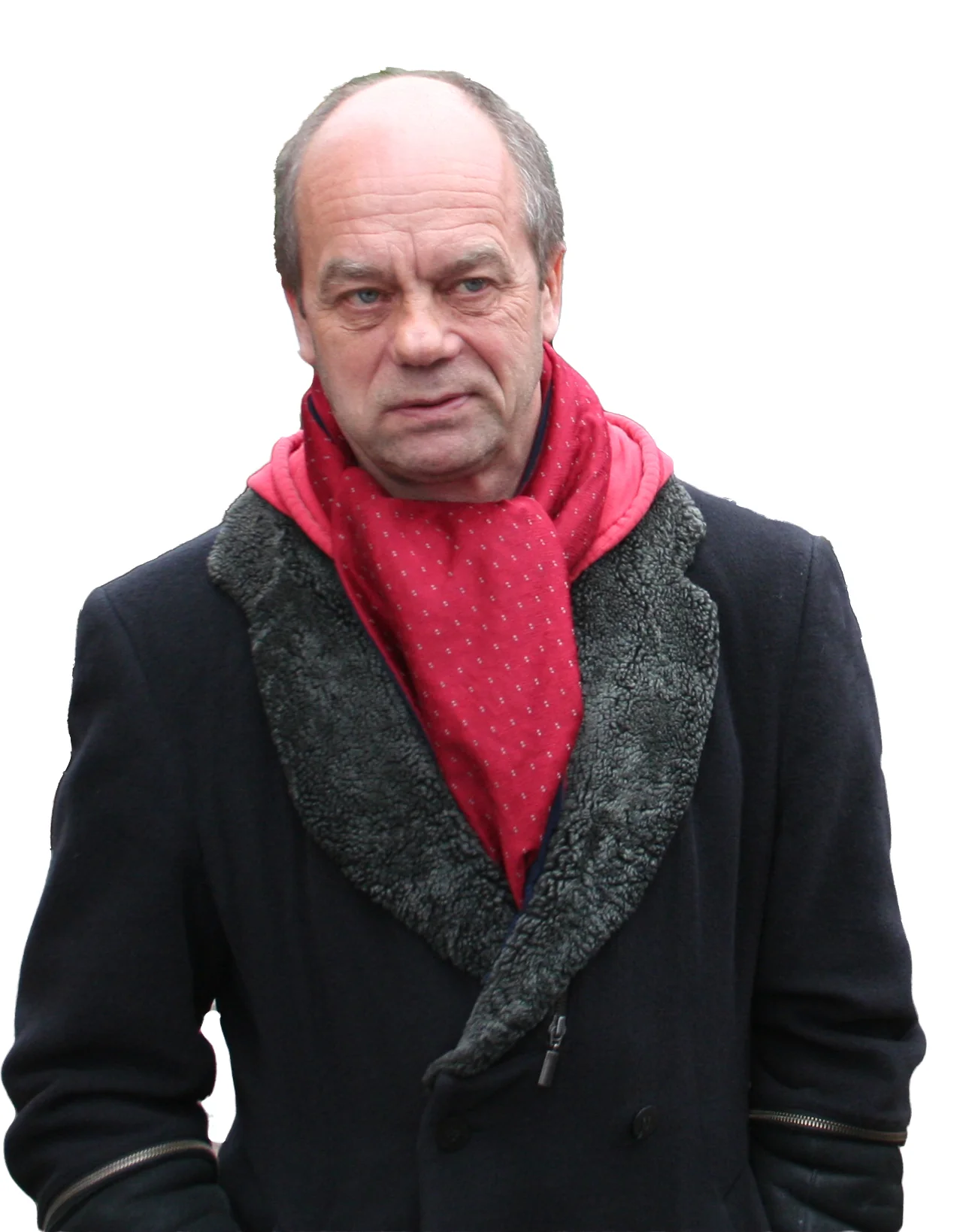
Image from Wikipedia
Image from Wikipedia
Corny Littmann – Theater Maker, Neighborhood Icon, and Voice of an Open Hamburg
An Extraordinary Life Path Between Stage, Politics, and Football
Cornelius “Corny” Littmann is one of those personalities who refuses to be confined to a single role. Born on November 21, 1952, in Münster, he has shaped Hamburg for decades as a theater maker, actor, director, entrepreneur, and LGBT activist. His name stands for a music career in the broader theatrical sense, for stage presence, for provocative entertainment, and for an artistic development that has formed an unmistakable brand out of subculture, attitude, and entertainment. ([ndr.de](https://www.ndr.de/kultur/buehne/Corny-Littmann-Der-ungekroente-Koenig-vom-Hamburger-Kiez%2Ccornylittmann103.html))
Early Influences: Hamburg, Coming Out, and the Search for a Stage of One’s Own
The biography of Corny Littmann begins with a biographical turning point that sharpened his attitude early on: At the age of eight, he lost his mother following a routine operation. At 17, he came to Hamburg, graduated from high school, and began studying psychology, which he later dropped out of. He came out at just 18. These milestones mark the beginning of a life strongly characterized by self-assertion, identity, and public visibility. ([ndr.de](https://www.ndr.de/kultur/buehne/Corny-Littmann-Der-ungekroente-Koenig-vom-Hamburger-Kiez%2Ccornylittmann103.html))
From an early age, Littmann was drawn to acting and the free scene. He never saw the stage solely as a place of entertainment but as a space for social discussion. His artistic development took off where subculture, political positioning, and performance converged. This mixture of directness, humor, and resistance is what continues to define his work today. ([ndr.de](https://www.ndr.de/kultur/buehne/Corny-Littmann-Der-ungekroente-Koenig-vom-Hamburger-Kiez%2Ccornylittmann103.html))
Brühwarm: Political Theater with Music, Drag, and Attitude
A key chapter in his career is the theater collective Brühwarm, which was founded in late 1974 together with Hans-Georg Berger as the Ödipus-Kollektiv and renamed in 1976. The group is considered one of the first and most well-known gay theater groups in the Federal Republic of Germany. Their works combined sketches, parodies, songs, and audience participation with themes such as homosexuality, persecution, sexuality, and gender roles. ([de.wikipedia.org](https://de.wikipedia.org/wiki/Br%C3%BChwarm))
Historically, this period is particularly significant because Brühwarm collaborated closely with Ton Steine Scherben and Rio Reiser. This collaboration resulted in the albums Mannstoll and Entartet, which brought the songs of gay theater to a wider audience. For Littmann, this meant the fusion of music, theater, and activism into a form of cultural work that was simultaneously political, emotional, and audience-friendly. ([de.wikipedia.org](https://de.wikipedia.org/wiki/Brühwarm))
The Rise on St. Pauli: Schmidt Theater, Schmidt’s Tivoli, and a New Form of Entertainment
In 1988, Littmann opened the Schmidt Theater on Spielbudenplatz in St. Pauli together with three other partners. This establishment marked the phase in which he became well known far beyond Hamburg. Together with Lilo Wanders and Marlene Jaschke, he shaped the “Schmidt” midnight show, where comedy, music, and artistry merged into a popular yet pointed form of theater. This mix even received the Grimme Prize and made the venue a fixture of German entertainment culture. ([ndr.de](https://www.ndr.de/kultur/buehne/Corny-Littmann-Der-ungekroente-Koenig-vom-Hamburger-Kiez%2Ccornylittmann103.html))
In 1991, Schmidt’s Tivoli followed as a second theater, and in 2015 the Schmidtchen was added in the Clubhouse St. Pauli. These venues operated successfully without public funding. This not only demonstrated Littmann's artistic intuition but also his entrepreneurial foresight: He created a permanent stage for musical theater, revue, comedy, and popular productions that translated the neighborhood character of St. Pauli into a distinctive cultural model. ([ndr.de](https://www.ndr.de/kultur/buehne/Corny-Littmann-Der-ungekroente-Koenig-vom-Hamburger-Kiez%2Ccornylittmann103.html))
Directing, House Productions, and Musical Storytelling
After the end of the midnight show, Littmann increasingly took on directing tasks. His early house productions included Cabaret and soon after Fifty-Fifty, a 1950s revue, marking his first collaboration with Martin Lingnau as musical director and house composer. Further productions followed, such as Sixty Sixty, Heiße Ecke – Das St. Pauli Musical, Cavequeen – Du sammeln. Ich auch!, and Oh Alpenglühn! – Glamour, Gaudi und Gesang. ([de.wikipedia.org](https://de.wikipedia.org/wiki/Corny_Littmann))
Here, Littmann's expertise in musical theater is particularly evident: He thinks in rhythms, intensification, and audience impact. His productions thrive on precise timing, satirical exaggeration, catchy songs, and a clear stage language. This is not a random revue aesthetic but a conscious model of entertainment that combines seamless accessibility with attitude and awareness of form. ([de.wikipedia.org](https://de.wikipedia.org/wiki/Corny_Littmann))
The Entrepreneur Behind the Art: Kampnagel, Awards, and Responsibility
Apart from the Reeperbahn, Littmann was also active institutionally. Between 1982 and 1985, he led free theater groups on the Kampnagel site, and in 1990 he became a board member of the Kampnagel supporting association. These stages highlight his role as a networker within Hamburg's cultural landscape. He saw theater not just as a show but as a structure, a workspace, and a cultural infrastructure. ([de-academic.com](https://de-academic.com/dic.nsf/dewiki/281055/1139060))
His work did not go unnoticed. In 1999, he was awarded “Hamburg Entrepreneur of the Year,” and in 2010 he received the Max-Brauer Prize from the Alfred Toepfer Foundation for services to Hamburg’s cultural, scientific, and intellectual life. Such honors underline his authority as a cultural entrepreneur who has intertwined art, economy, and urban identity. ([de-academic.com](https://de-academic.com/dic.nsf/dewiki/281055/1139060))
Politics, Protest, and Visibility
Corny Littmann was never just a theater chief. In 1980, he ran as a leading candidate for the Greens in the federal elections, and he repeatedly engaged publicly for homosexuals, against Nazis, and for cultural freedom. The early years with Brühwarm and the later years on St. Pauli show that his artistic career remained closely connected to social protest. His work aligns with a tradition of politically engaged German stage art. ([ndr.de](https://www.ndr.de/kultur/buehne/Corny-Littmann-Der-ungekroente-Koenig-vom-Hamburger-Kiez%2Ccornylittmann103.html))
As president of FC St. Pauli from 2003 to 2010, he also assumed responsibility in football. He steered the financially troubled club back on course and oversaw its return from regional league to Bundesliga. Being the first club boss to live openly as a gay man made his presidency a cultural-political signal beyond the realm of sports. ([de.wikipedia.org](https://de.wikipedia.org/wiki/Corny_Littmann))
Cultural Influence: Between Neighborhood, Revue, and Societal Debate
Littmann's cultural influence extends far beyond individual premieres. He has created a form of Hamburg entertainment through his theaters that is simultaneously popular, queer, political, and economically viable. The blend of music, comedy, drag, and acting has sustainably shaped the image of St. Pauli and made the neighborhood a culturally translatable space internationally. ([ndr.de](https://www.ndr.de/kultur/buehne/Corny-Littmann-Der-ungekroente-Koenig-vom-Hamburger-Kiez%2Ccornylittmann103.html))
Even in times of crisis, his voice remained audible. During the COVID-19 pandemic, he criticized the disadvantages faced by the theater and arts scene due to lockdowns and a lack of assistance. These statements fit into his overall image: Littmann defends art as a societal necessity, not as a decorative accessory. This is where the enduring impact of his career lies. ([de.wikipedia.org](https://de.wikipedia.org/wiki/Corny_Littmann))
Conclusion: Why Corny Littmann Continues to Fascinate Today
Corny Littmann is intriguing because he unites multiple life worlds in a rare way: theater and entrepreneurship, queer culture and a mass audience, political stance and commercial success. His biography tells of courage, independence, and the ability to transform the neighborhood into a stage with radiance. Anyone wanting to understand German cultural history beyond the usual paths cannot overlook him. ([ndr.de](https://www.ndr.de/kultur/buehne/Corny-Littmann-Der-ungekroente-Koenig-vom-Hamburger-Kiez%2Ccornylittmann103.html))
His works remain a call to all who wish to experience theater as a vibrant place of music, emotion, and attitude. Corny Littmann embodies a stage culture that entertains, provokes, and connects. Experiencing him live means encountering Hamburg culture in its concentrated, dazzling, and uncompromising form. ([ndr.de](https://www.ndr.de/kultur/buehne/Corny-Littmann-Der-ungekroente-Koenig-vom-Hamburger-Kiez%2Ccornylittmann103.html))
Official Channels of Corny Littmann:
- Instagram: No official profile found
- Facebook: No official profile found
- YouTube: No official profile found
- Spotify: No official profile found
- TikTok: No official profile found
Sources:
- Wikipedia - Corny Littmann
- NDR Kultur - Corny Littmann: The Uncrowned King of the Hamburg Neighborhood
- Deutschlandfunk Kultur - The Stage King of St. Pauli
- Wikipedia - Brühwarm
- Alfred Toepfer Stiftung F.V.S. - Max-Brauer Prize
- Schmidt Theater / Schmidt's Tivoli - Corny Littmann
- Schmidt's Tivoli - 30 Years in 30 Days
- Wikipedia: Image and text source