
Alice Cooper
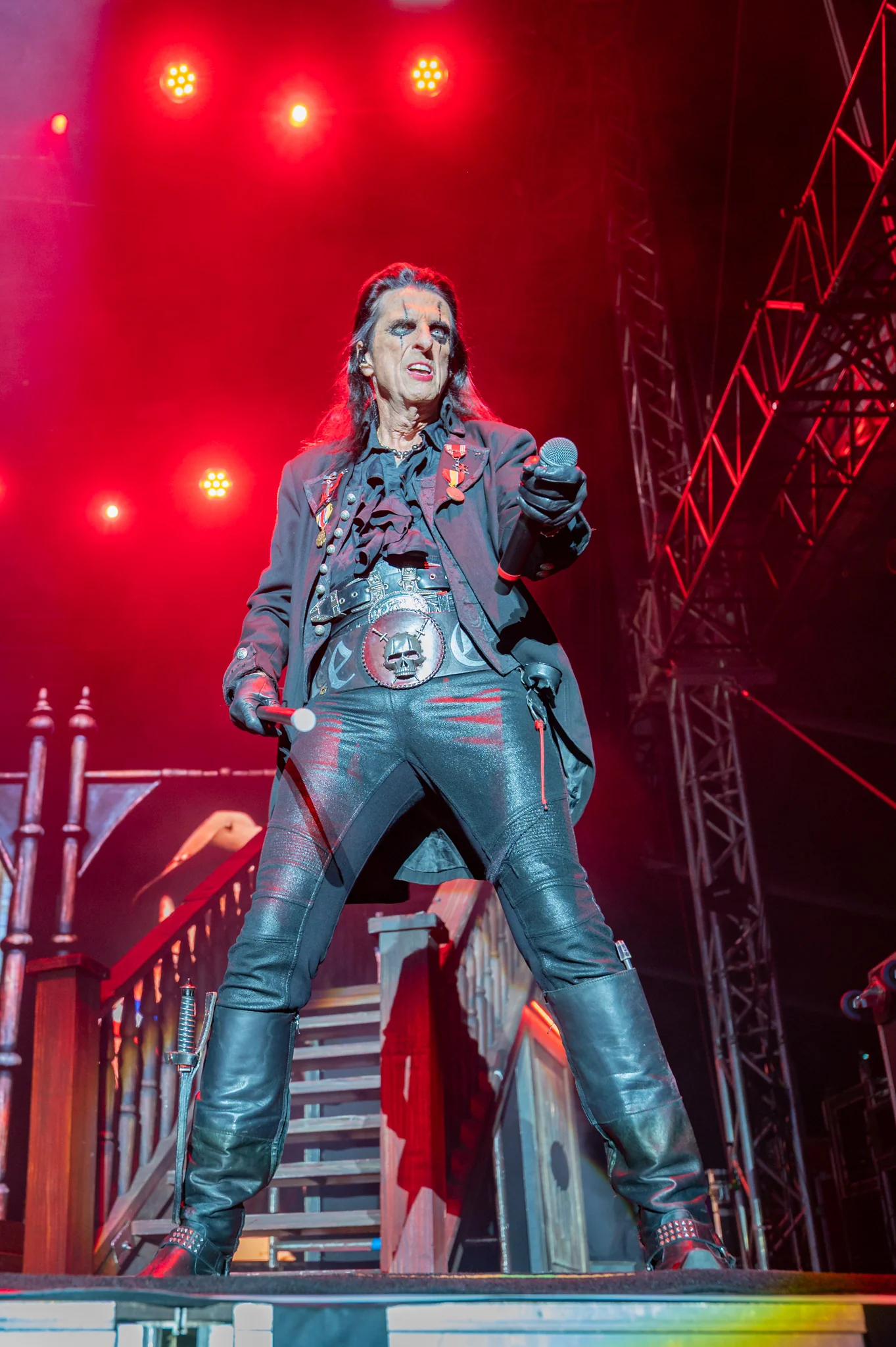
Image from Wikipedia
Image from Wikipedia
Alice Cooper – The Immortal Icon of Shock Rock
From Detroit Boy to Dark Rockstar: The Story of Alice Cooper
Vincent Damon Furnier, born on February 4, 1948, in Detroit, Michigan, became one of the defining figures in rock history as Alice Cooper. A band name first transformed into a stage persona, then an artist name, and ultimately a myth. His music career combines hard rock, glam rock, and theatrical presentation into a distinctive body of work. ([en.wikipedia.org](https://en.wikipedia.org/wiki/Alice_Cooper?utm_source=openai))
Even in the early phase of the original Alice Cooper band, it became clear that not just songs were being told, but entire scenes. The group existed from 1968 to 1974 and initially struggled through clubs before Bob Ezrin recognized the potential, leading to a partnership that sparked their breakthrough. With Love It to Death, Killer, School’s Out, and Billion Dollar Babies, a style emerged that fused rock music, provocation, and stage drama. ([alicecooper.com](https://alicecooper.com/history/))
The Early Years: Detroit, Band Culture, and the Rise to Cult Status
The roots of Alice Cooper lie in American rock culture of the late 1960s. The band started with experimental, somewhat aimless recordings but quickly developed a clearer signature as their sound became harder, more precise, and audience-friendly. Notably, I’m Eighteen marked the moment when an ambitious underground band became a national phenomenon. The song reached the Billboard Hot 100 in the USA and gave the band its first major identity. ([alicecooper.com](https://alicecooper.com/history/))
The driving force behind this rise was the combination of music and staging. Already in 1971, the group performed with mock fights, gothic torture elements, and a simulated execution, transforming concerts into spectacular rock theater. This stage presence became their trademark and not only shaped the perception of Alice Cooper but also influenced the development of elaborate live shows in hard rock and heavy metal. ([alicecooper.com](https://alicecooper.com/history/))
The Solo Artist Emerges: Alice Cooper as a Standalone Figure
After the band disbanded, Furnier continued his career under the name Alice Cooper, transforming the persona into a lasting artistic identity. The solo era began in 1975 with Welcome to My Nightmare, a conceptual album that once again involved Bob Ezrin as a creative partner. The record opened the door to a new form of rock storytelling: dark, cinematic, psychologically charged, and simultaneously mass-appealing. ([alicecooper.com](https://alicecooper.com/history/))
In the late 1970s, Alice Cooper experienced a phase of commercial strength with hits like You & Me and albums such as Lace and Whiskey and From the Inside. The career was never limited to recordings alone, as the shows became bigger, more complex, and visually extravagant. The artist embodied a rock figure that consciously balanced between horror, camp, and mainstream. ([alicecooper.com](https://alicecooper.com/about/))
Reinvention in the 1980s and 1990s
The 1980s showcased Alice Cooper as a versatile artist who repeatedly adjusted his sound. With Flush the Fashion, he embraced a new wave approach before Constrictor and Raise Your Fist and Yell sounded harder and more metallic. Trash became a commercial triumph in 1989: The single Poison turned into the biggest success of his solo career, making him accessible to a new generation. ([alicecooper.com](https://alicecooper.com/about/))
In the 1990s and 2000s, his music career remained productive. Alice Cooper released albums like Hey Stoopid, The Last Temptation, Brutal Planet, Dragontown, The Eyes of Alice Cooper, Dirty Diamonds, and Along Came a Spider. The discography reflects an artist who can never be reduced to a single sound, constantly shifting between classic hard rock, heavy riffing, and theatrical drama. ([en.wikipedia.org](https://en.wikipedia.org/wiki/Alice_Cooper_discography))
Discography, Hits, and Chart-Related Moments
Alice Cooper's discography is extensive and a central argument for his rank in the rock canon. According to Wikipedia's discography, it includes 30 studio albums, 69 singles, 12 live albums, and numerous video releases; in addition, there are recordings with the original band and with the Hollywood Vampires. This quantity alone demonstrates an extraordinarily long-lasting, internationally impactful career. ([en.wikipedia.org](https://en.wikipedia.org/wiki/Alice_Cooper_discography))
Some of the most defining songs include I’m Eighteen, School’s Out, No More Mr. Nice Guy, Under My Wheels, Only Women Bleed, You & Me, and Poison. These titles represent different phases of artistic development: rebellious teenage rock, anthemic arena sound, melodic hard rock, and later the radio-friendly yet dark glam aesthetic of the late 1980s. Thus, Alice Cooper spans multiple generations of rock listeners. ([alicecooper.com](https://alicecooper.com/history/))
Stage Presence, Shock Rock, and Cultural Influence
Alice Cooper is regarded as a pioneer of shock rock and a key figure in the visual expansion of rock music. His shows featuring guillotine simulations, straightjackets, and morbid symbolism became a reference point for later artists. Ozzy Osbourne, King Diamond, Marilyn Manson, GWAR, and Lordi are among the acts directly or indirectly influenced by this aesthetic. ([en.wikipedia.org](https://en.wikipedia.org/wiki/Alice_Cooper?utm_source=openai))
His cultural influence goes beyond mere stage performance. Alice Cooper turned the rockstar image into a performance, not about authenticity in the strict sense, and therein lies the power of his figure. He combined provocation with skilled songwriting, setting him apart from mere scandal artists. This connection of composition, arrangement, and visual narrative keeps him relevant to this day. ([alicecooper.com](https://alicecooper.com/history/))
Current Projects and Late Career Highlights
Even recently, Alice Cooper remains active and present. The official website regularly announces new content, including the collection The Studio Albums 1975–1978, new line-up announcements, and additional product lines; for the stage, this means ongoing presence and continued branding. Particularly significant is the reunion of the original Alice Cooper band, which opened a new chapter with the album The Revenge of Alice Cooper in 2025. ([alicecooper.com](https://alicecooper.com/))
This comeback holds symbolic weight as it reunites the classic band after more than five decades. The release is scheduled for July 25, 2025, under earMUSIC, and the pre-single Black Mamba demonstrated that the old spirit remains alive, rather than feeling like a museum piece. Additionally, there were announcements of new live line-ups, including the introduction of guitarist Anna Cara in 2026. ([alicecooper.com](https://alicecooper.com/the-original-alice-cooper-group-reunites-after-more-than-50-years-with-brand-new-studio-album-the-revenge-of-alice-cooper-set-for-release-on-july-25th/))
Conclusion: Why Alice Cooper Continues to Fascinate
Alice Cooper is captivating because here, musical substance, narrative imagination, and calculated boundary-pushing converge at the highest level. His career does not unfold like a linear rock biography but resembles a series of significant transformations: from Detroit underground to shock rock cult and to a lasting solo myth. Experiencing him live is not witnessing a nostalgia show but seeing a sovereign rock icon with unbroken stage presence. ([alicecooper.com](https://alicecooper.com/about/))
It is precisely this blend of theater, riff power, and pop sensibility that keeps his work accessible to new listeners. Alice Cooper remains an artist who not only comments on rock history but has actively shaped it. Experiencing him live means witnessing the energy of a living classic who has been pouring shock, show, and song into an unmistakable form for decades. ([en.wikipedia.org](https://en.wikipedia.org/wiki/Alice_Cooper?utm_source=openai))
Official Channels of Alice Cooper:
- Instagram: https://www.instagram.com/alicecooper/
- Facebook: https://www.facebook.com/AliceCooper/
- YouTube: https://www.youtube.com/user/officialalicecooper
- Spotify: https://open.spotify.com/artist/3EhbVgyfGd7HkpsagwL9GS
- TikTok: No official profile found
Sources:
- Alice Cooper - Official Website
- Alice Cooper - About
- Alice Cooper - History
- Alice Cooper - The Revenge of Alice Cooper Announcement
- Wikipedia - Alice Cooper
- Wikipedia - Alice Cooper Discography
- Britannica - Alice Cooper
- Louder - Alice Cooper Band Reunion
- Louder - Alice Cooper announces new guitarist Anna Cara
- Wikipedia: Image and text source
Upcoming Events
Alice Cooper “Alice’s Attic” Live 2026