
Gelsenkirchen
Zeppelinallee 51, 45883 Gelsenkirchen, Deutschland
City Garden Gelsenkirchen | Events & Parking
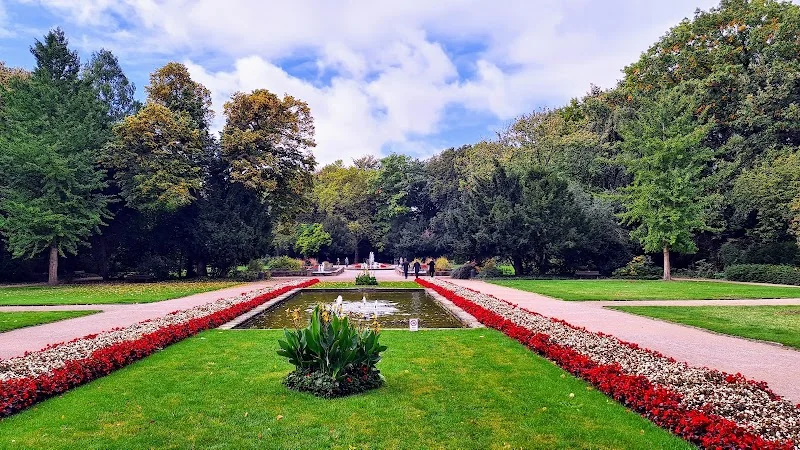
The City Garden Gelsenkirchen is much more than a green space: it is a historically grown park, a popular place for free culture, and a destination for families, walkers, and visitors specifically looking for events, photos, restaurant tips, or parking options. The facility combines around 22 hectares of space, a Japanese garden, a teaching garden on the history of flowering plants, a playground, and the traditional music pavilion into a place that radiates surprisingly much calm in the middle of the city. That the City Garden is well received by guests is also shown by the rating of 4.5 stars from 612 reviews. So, for those wondering why the name appears so often in search queries, here is a clear answer: The City Garden is both a local recreation area, a place of remembrance, a stage, and a meeting point. ([gelsenkirchen.de](https://www.gelsenkirchen.de/de/freizeit/Ausfluege_und_Sehenswuerdigkeiten/Parks_und_Halden/Stadtgarten_Zeppelinallee.aspx))
When do the main events take place in the City Garden Gelsenkirchen?
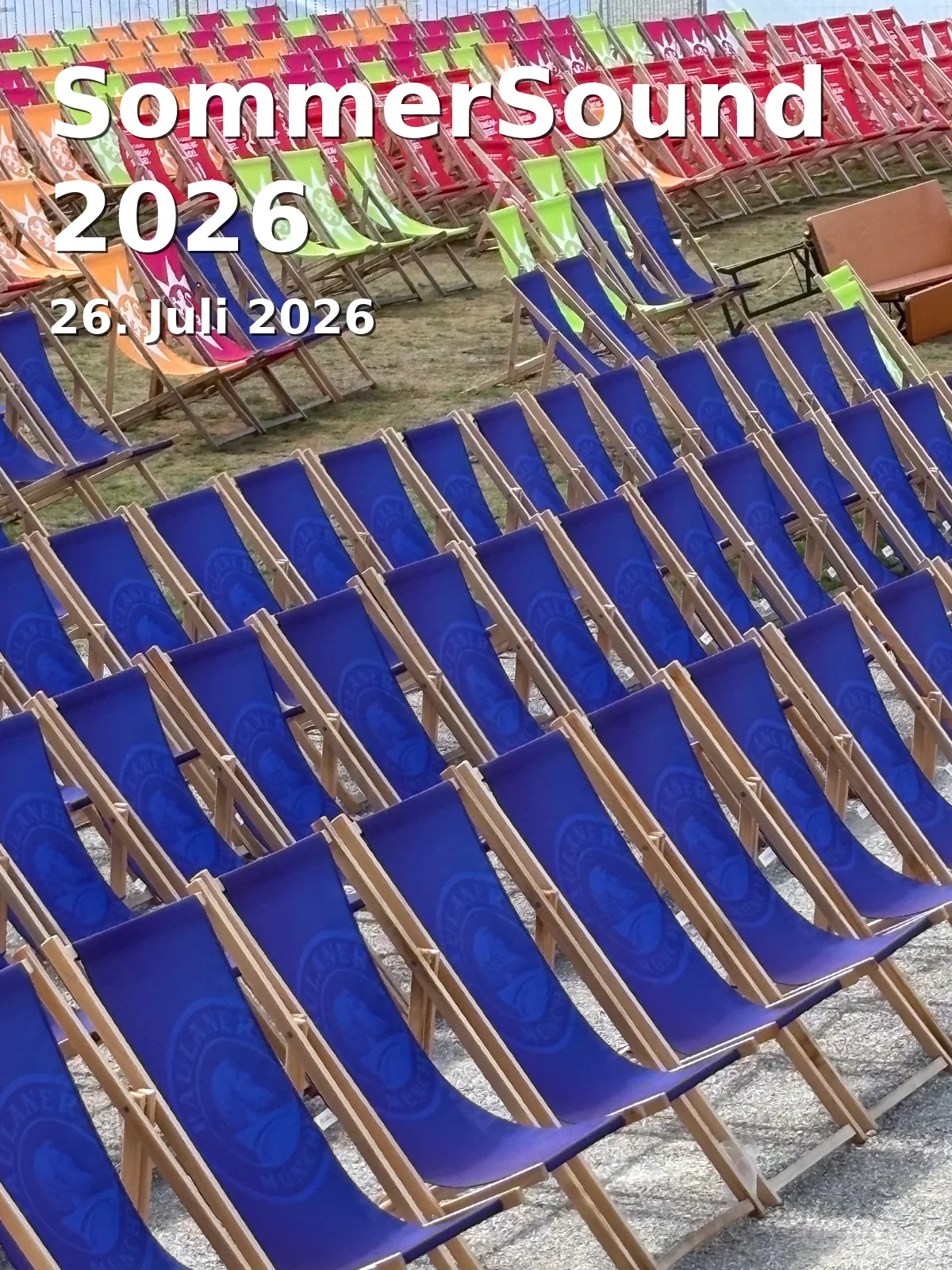
The most important event brand of the City Garden is SommerSound, and this is where it becomes clear why so many people search for City Garden Gelsenkirchen events, today or program. The official city describes the series as music in the music pavilion of the Gelsenkirchen City Garden, on Sundays during the summer holidays, free and outdoors. The 35th edition is announced for 2026 on five Sundays from July 26 to August 23; each evening two formations will perform at 6 PM and 7:30 PM. Admission begins at 5:30 PM, then the beer garden opens, and entry to all events is free. The program is expected to be published in May. For those looking for a lively yet relaxed summer evening, the City Garden offers a mix of park atmosphere, culture, and easy access. ([gelsenkirchen.de](https://www.gelsenkirchen.de/de/kultur/festivals_und_programmreihen/sommersound/index.aspx))
Particularly interesting is the character of the series: The City Garden is not a loud club location but an open-air stage with a park-like ambiance. The city emphasizes that the current focus of SommerSound since 2006 is on contemporary folk, and the series has delighted numerous listeners since 1990. This very mix also explains the search intent behind many keywords: Those searching today for events or stages usually do not expect a single ticket event but a place with recurring programs, high recognizability, and an open, summery atmosphere. For visitors, this is practical because the City Garden is defined not just by a single occasion but by an entire cultural tradition that is revived every year. Even the official imagery of the city relies on this and shows impressions with audience, stage, and pavilion as a typical SommerSound experience. ([gelsenkirchen.de](https://www.gelsenkirchen.de/de/kultur/festivals_und_programmreihen/sommersound/index.aspx))
How do I get to the City Garden Gelsenkirchen and where can I park?
For getting there, it is especially important that the City Garden is located in a central location and the city itself uses several official designations. On the parking side, the City Garden is listed under Am Stadtgarten 1, 45879 Gelsenkirchen, while the memorial sites plaque and the SommerSound page mention the address Zeppelinallee 51, 45883 Gelsenkirchen. This already shows that the area around the City Garden is located in a well-developed city center environment. However, those looking to park at City Garden Gelsenkirchen should know: The official city pages do not prominently list a dedicated visitor parking lot directly at the park. Instead, the city generally refers to its parking garages, parking lots, and the parking guidance system. For visitors, this means: Before arriving, it is worthwhile to take a quick look at the current parking situation in the city center, especially on days with events or good weather. ([gelsenkirchen.de](https://www.gelsenkirchen.de/de/freizeit/Ausfluege_und_Sehenswuerdigkeiten/Parks_und_Halden/Stadtgarten_Zeppelinallee.aspx))
It is also practical that Gelsenkirchen has a dense public transport network overall. The city describes local mobility with city trains, trams, and bus lines as well-developed, which makes visiting without a car easier. Especially during SommerSound, this is an advantage because entry begins early and the evening, due to the free open-air situation, invites a more relaxed arrival rather than a quick coming and going. Therefore, those driving should not only think about the City Garden itself but about the entire journey into the city center. Those coming by bus and train benefit from the fact that the City Garden is located as a central green area in an urban environment and can be easily integrated into a city stroll or a visit to other places. For search queries about arrival, parking, and today, this central integration is the decisive added value. ([visit.gelsenkirchen.de](https://visit.gelsenkirchen.de/de/Reiseplanung/Anreise.aspx?utm_source=openai))
Why is the City Garden Gelsenkirchen still a piece of city history today?
The history of the City Garden is a significant reason why the place goes far beyond a normal park facility. According to the city, the City Garden was established in 1896 under Mayor Vattmann as a people's park on the site of the former farm Schalke and was opened to the public in 1897 as Kaiser Wilhelm Park. In the following years, the facility was expanded several times, including in 1901, 1902, 1912, 1914, and 1918. These expansions created structures that still shape the City Garden today: a music pavilion, a large palm house with greenhouses, a donkey stable, and the first children's playgrounds. This early development explains why the City Garden was historically conceived not only as green but also functionally. It was intended to provide recreation, quality of stay, and leisure equally. This heritage is still recognizable in the name Kaiser Wilhelm Park, even if the place is now naturally perceived under the name City Garden Gelsenkirchen. ([gelsenkirchen.de](https://www.gelsenkirchen.de/de/freizeit/Ausfluege_und_Sehenswuerdigkeiten/Parks_und_Halden/Stadtgarten_Zeppelinallee.aspx))
The further history also reflects the upheavals of the city. In 1933, a redesign according to the plans of garden director Simon took place, which gave the park its current form. After the severe destruction by bombs in World War II, the City Garden was restored in 1949. In the 1950s, memorial sites were added, including the memorial for the victims of National Socialism and a memorial stele for German prisoners of war. Later, a restaurant, sculptures, and water features were integrated, allowing the City Garden to continuously evolve. In 2009, a Japanese garden in the Kare-san-sui style was additionally created. This mix of recreation, remembrance, and design makes the facility a place with multiple layers of time, where city history is not only told but experienced in everyday life. ([gelsenkirchen.de](https://www.gelsenkirchen.de/de/freizeit/Ausfluege_und_Sehenswuerdigkeiten/Parks_und_Halden/Stadtgarten_Zeppelinallee.aspx))
Music Pavilion, Stage, and Fire: What visitors should know in 2026
The music pavilion is the heart of the cultural perception of the City Garden. According to the city, the new music pavilion was built in 1963, and since 1990 it has invited to SommerSound every year. Thus, it is not only a stage in the literal sense but also a symbol of how closely City Garden Gelsenkirchen and music are connected. Those searching for stage, festival, or event will almost automatically land at this pavilion. The official page describes it as a traditional venue for the concert series, and this very tradition makes the place so relevant in search engines. Between park, beer garden, and open-air concerts, an atmosphere is created that is neither anonymous nor overly staged. Visitors do not get a large arena here but an open cultural place with a direct connection to the city and its summer evenings. ([gelsenkirchen.de](https://www.gelsenkirchen.de/de/stadtprofil/stadtgeschichten/erinnerungsorte/_der_stadtgarten_gelsenkirchen.aspx))
In spring 2026, however, the music pavilion was severely damaged by a fire. The city announced on March 27, 2026, that the pavilion had fallen victim to the flames and that alternative locations for cultural events were being sought. On April 1, 2026, it was announced that a structural engineer had examined the roof structure and determined that it was so damaged in its entire structure with the steel beams that it could not be preserved or repaired. The walls, however, seemed suitable as a load-bearing structure for a newly planned roof, and further investigations would only take place after the roof was removed. The area was secured with a construction fence, the damage was reported to the insurance, and a report was filed with the police. For visitors, this means: Those looking for current information about the music pavilion in 2026 should pay attention to the ongoing announcements from the city, as the effects on SommerSound are still being officially examined. ([gelsenkirchen.de](https://www.gelsenkirchen.de/de/_funktionsnavigation/presse/pressemeldungen/71057-oberbuergermeisterin-andrea-henze-fassungslos-ueber-die-zerstoerung-des-musikpavillons?utm_source=openai))
Playground, Japanese Garden, and Green Break in the Middle of Gelsenkirchen
A large part of the appeal of the City Garden lies in its versatility as an open space. The park is not only a backdrop for summer events but also a green oasis close to the city. The official park page mentions a Japanese garden in the Kare-san-sui style, a teaching garden on the history of flowering plants, as well as the total size of around 22 hectares, of which 0.6 hectares are water surface. These figures show that the City Garden is not a small neighborhood park but a generously designed area with paths, open spaces, and quiet areas. For people looking for a place to catch their breath, for a walk, or a short break, this is exactly what is important. The combination of water, designed garden areas, and historically grown park structure makes the City Garden a place where one quickly forgets how close one actually is to the city center. ([gelsenkirchen.de](https://www.gelsenkirchen.de/de/freizeit/Ausfluege_und_Sehenswuerdigkeiten/Parks_und_Halden/Stadtgarten_Zeppelinallee.aspx))
Especially for families, the playground offerings are a strong argument. On the official playground page, the city lists the playground in the City Garden with the year of construction 1961 and describes it with sand wreck, seesaw, climbing combination with slide, play train, play airplane, play ship, and baking tables. The city also refers to a sponsorship by the daycare center Schweizer Dorf, and in 2019, a new sand wreck and a new seesaw were installed. The location is on Rotthauser Straße and was previously a water playground. This makes it clear that the City Garden is not only a worthwhile destination for concert visitors but also for children and accompanying persons. So, those looking for playground, leisure, or family outing will find here not only a green space but a concretely equipped area with several usage options. ([gelsenkirchen.de](https://www.gelsenkirchen.de/de/freizeit/fit_und_aktiv/spiel-_und_bolzplaetze__skateranlagen__bauspielplaetze/karte/poi/2179-stadtgarten))
Restaurant, Photos, and Impressions: This is what a visit feels like
The search query City Garden Gelsenkirchen restaurant is understandable because the place is also considered gastronomically and atmospherically. In the historical description, the city explicitly mentions the establishment of a restaurant as part of the park's further development. The official City Garden page also links to the restaurant Liebevoll and the Maritim Hotel as additional information, which shows that the City Garden is not viewed in isolation but is embedded in an environment with quality of stay. During SommerSound, the beer garden also comes into play, which opens on concert evenings from 5:30 PM. So, those planning a visit can well combine culture, a walk, and a subsequent stay in the green. This very mix of park, music, and gastronomy explains why the place is often associated in search queries with festival, meeting, or relaxed evening program. ([gelsenkirchen.de](https://www.gelsenkirchen.de/de/stadtprofil/stadtgeschichten/erinnerungsorte/_der_stadtgarten_gelsenkirchen.aspx))
Those searching for photos will also find plenty of official impressions. The city presents several image motifs on the pages about the City Garden and SommerSound, including impressions of the concerts, the audience, and the music pavilion. This is helpful for visitors because it allows them to visually assess the place even before the actual visit: rather green, open, family-friendly, and culture-oriented than strictly formal or monumental. For search queries about photos, reviews, or a first impression, this imagery is particularly relevant. It confirms that the City Garden is not only historically interesting but also perceived as a pleasant place to stay in everyday life. Therefore, those wanting to understand the atmosphere should not only look at numbers and facts but also at the official impressions. They show very well why the City Garden Gelsenkirchen has been considered a fixed address for summer experiences for many years. ([gelsenkirchen.de](https://www.gelsenkirchen.de/de/freizeit/Ausfluege_und_Sehenswuerdigkeiten/Parks_und_Halden/Stadtgarten_Zeppelinallee.aspx))
Sources:
Mehr anzeigenWeniger anzeigen
City Garden Gelsenkirchen | Events & Parking
The City Garden Gelsenkirchen is much more than a green space: it is a historically grown park, a popular place for free culture, and a destination for families, walkers, and visitors specifically looking for events, photos, restaurant tips, or parking options. The facility combines around 22 hectares of space, a Japanese garden, a teaching garden on the history of flowering plants, a playground, and the traditional music pavilion into a place that radiates surprisingly much calm in the middle of the city. That the City Garden is well received by guests is also shown by the rating of 4.5 stars from 612 reviews. So, for those wondering why the name appears so often in search queries, here is a clear answer: The City Garden is both a local recreation area, a place of remembrance, a stage, and a meeting point. ([gelsenkirchen.de](https://www.gelsenkirchen.de/de/freizeit/Ausfluege_und_Sehenswuerdigkeiten/Parks_und_Halden/Stadtgarten_Zeppelinallee.aspx))
When do the main events take place in the City Garden Gelsenkirchen?
The most important event brand of the City Garden is SommerSound, and this is where it becomes clear why so many people search for City Garden Gelsenkirchen events, today or program. The official city describes the series as music in the music pavilion of the Gelsenkirchen City Garden, on Sundays during the summer holidays, free and outdoors. The 35th edition is announced for 2026 on five Sundays from July 26 to August 23; each evening two formations will perform at 6 PM and 7:30 PM. Admission begins at 5:30 PM, then the beer garden opens, and entry to all events is free. The program is expected to be published in May. For those looking for a lively yet relaxed summer evening, the City Garden offers a mix of park atmosphere, culture, and easy access. ([gelsenkirchen.de](https://www.gelsenkirchen.de/de/kultur/festivals_und_programmreihen/sommersound/index.aspx))
Particularly interesting is the character of the series: The City Garden is not a loud club location but an open-air stage with a park-like ambiance. The city emphasizes that the current focus of SommerSound since 2006 is on contemporary folk, and the series has delighted numerous listeners since 1990. This very mix also explains the search intent behind many keywords: Those searching today for events or stages usually do not expect a single ticket event but a place with recurring programs, high recognizability, and an open, summery atmosphere. For visitors, this is practical because the City Garden is defined not just by a single occasion but by an entire cultural tradition that is revived every year. Even the official imagery of the city relies on this and shows impressions with audience, stage, and pavilion as a typical SommerSound experience. ([gelsenkirchen.de](https://www.gelsenkirchen.de/de/kultur/festivals_und_programmreihen/sommersound/index.aspx))
How do I get to the City Garden Gelsenkirchen and where can I park?
For getting there, it is especially important that the City Garden is located in a central location and the city itself uses several official designations. On the parking side, the City Garden is listed under Am Stadtgarten 1, 45879 Gelsenkirchen, while the memorial sites plaque and the SommerSound page mention the address Zeppelinallee 51, 45883 Gelsenkirchen. This already shows that the area around the City Garden is located in a well-developed city center environment. However, those looking to park at City Garden Gelsenkirchen should know: The official city pages do not prominently list a dedicated visitor parking lot directly at the park. Instead, the city generally refers to its parking garages, parking lots, and the parking guidance system. For visitors, this means: Before arriving, it is worthwhile to take a quick look at the current parking situation in the city center, especially on days with events or good weather. ([gelsenkirchen.de](https://www.gelsenkirchen.de/de/freizeit/Ausfluege_und_Sehenswuerdigkeiten/Parks_und_Halden/Stadtgarten_Zeppelinallee.aspx))
It is also practical that Gelsenkirchen has a dense public transport network overall. The city describes local mobility with city trains, trams, and bus lines as well-developed, which makes visiting without a car easier. Especially during SommerSound, this is an advantage because entry begins early and the evening, due to the free open-air situation, invites a more relaxed arrival rather than a quick coming and going. Therefore, those driving should not only think about the City Garden itself but about the entire journey into the city center. Those coming by bus and train benefit from the fact that the City Garden is located as a central green area in an urban environment and can be easily integrated into a city stroll or a visit to other places. For search queries about arrival, parking, and today, this central integration is the decisive added value. ([visit.gelsenkirchen.de](https://visit.gelsenkirchen.de/de/Reiseplanung/Anreise.aspx?utm_source=openai))
Why is the City Garden Gelsenkirchen still a piece of city history today?
The history of the City Garden is a significant reason why the place goes far beyond a normal park facility. According to the city, the City Garden was established in 1896 under Mayor Vattmann as a people's park on the site of the former farm Schalke and was opened to the public in 1897 as Kaiser Wilhelm Park. In the following years, the facility was expanded several times, including in 1901, 1902, 1912, 1914, and 1918. These expansions created structures that still shape the City Garden today: a music pavilion, a large palm house with greenhouses, a donkey stable, and the first children's playgrounds. This early development explains why the City Garden was historically conceived not only as green but also functionally. It was intended to provide recreation, quality of stay, and leisure equally. This heritage is still recognizable in the name Kaiser Wilhelm Park, even if the place is now naturally perceived under the name City Garden Gelsenkirchen. ([gelsenkirchen.de](https://www.gelsenkirchen.de/de/freizeit/Ausfluege_und_Sehenswuerdigkeiten/Parks_und_Halden/Stadtgarten_Zeppelinallee.aspx))
The further history also reflects the upheavals of the city. In 1933, a redesign according to the plans of garden director Simon took place, which gave the park its current form. After the severe destruction by bombs in World War II, the City Garden was restored in 1949. In the 1950s, memorial sites were added, including the memorial for the victims of National Socialism and a memorial stele for German prisoners of war. Later, a restaurant, sculptures, and water features were integrated, allowing the City Garden to continuously evolve. In 2009, a Japanese garden in the Kare-san-sui style was additionally created. This mix of recreation, remembrance, and design makes the facility a place with multiple layers of time, where city history is not only told but experienced in everyday life. ([gelsenkirchen.de](https://www.gelsenkirchen.de/de/freizeit/Ausfluege_und_Sehenswuerdigkeiten/Parks_und_Halden/Stadtgarten_Zeppelinallee.aspx))
Music Pavilion, Stage, and Fire: What visitors should know in 2026
The music pavilion is the heart of the cultural perception of the City Garden. According to the city, the new music pavilion was built in 1963, and since 1990 it has invited to SommerSound every year. Thus, it is not only a stage in the literal sense but also a symbol of how closely City Garden Gelsenkirchen and music are connected. Those searching for stage, festival, or event will almost automatically land at this pavilion. The official page describes it as a traditional venue for the concert series, and this very tradition makes the place so relevant in search engines. Between park, beer garden, and open-air concerts, an atmosphere is created that is neither anonymous nor overly staged. Visitors do not get a large arena here but an open cultural place with a direct connection to the city and its summer evenings. ([gelsenkirchen.de](https://www.gelsenkirchen.de/de/stadtprofil/stadtgeschichten/erinnerungsorte/_der_stadtgarten_gelsenkirchen.aspx))
In spring 2026, however, the music pavilion was severely damaged by a fire. The city announced on March 27, 2026, that the pavilion had fallen victim to the flames and that alternative locations for cultural events were being sought. On April 1, 2026, it was announced that a structural engineer had examined the roof structure and determined that it was so damaged in its entire structure with the steel beams that it could not be preserved or repaired. The walls, however, seemed suitable as a load-bearing structure for a newly planned roof, and further investigations would only take place after the roof was removed. The area was secured with a construction fence, the damage was reported to the insurance, and a report was filed with the police. For visitors, this means: Those looking for current information about the music pavilion in 2026 should pay attention to the ongoing announcements from the city, as the effects on SommerSound are still being officially examined. ([gelsenkirchen.de](https://www.gelsenkirchen.de/de/_funktionsnavigation/presse/pressemeldungen/71057-oberbuergermeisterin-andrea-henze-fassungslos-ueber-die-zerstoerung-des-musikpavillons?utm_source=openai))
Playground, Japanese Garden, and Green Break in the Middle of Gelsenkirchen
A large part of the appeal of the City Garden lies in its versatility as an open space. The park is not only a backdrop for summer events but also a green oasis close to the city. The official park page mentions a Japanese garden in the Kare-san-sui style, a teaching garden on the history of flowering plants, as well as the total size of around 22 hectares, of which 0.6 hectares are water surface. These figures show that the City Garden is not a small neighborhood park but a generously designed area with paths, open spaces, and quiet areas. For people looking for a place to catch their breath, for a walk, or a short break, this is exactly what is important. The combination of water, designed garden areas, and historically grown park structure makes the City Garden a place where one quickly forgets how close one actually is to the city center. ([gelsenkirchen.de](https://www.gelsenkirchen.de/de/freizeit/Ausfluege_und_Sehenswuerdigkeiten/Parks_und_Halden/Stadtgarten_Zeppelinallee.aspx))
Especially for families, the playground offerings are a strong argument. On the official playground page, the city lists the playground in the City Garden with the year of construction 1961 and describes it with sand wreck, seesaw, climbing combination with slide, play train, play airplane, play ship, and baking tables. The city also refers to a sponsorship by the daycare center Schweizer Dorf, and in 2019, a new sand wreck and a new seesaw were installed. The location is on Rotthauser Straße and was previously a water playground. This makes it clear that the City Garden is not only a worthwhile destination for concert visitors but also for children and accompanying persons. So, those looking for playground, leisure, or family outing will find here not only a green space but a concretely equipped area with several usage options. ([gelsenkirchen.de](https://www.gelsenkirchen.de/de/freizeit/fit_und_aktiv/spiel-_und_bolzplaetze__skateranlagen__bauspielplaetze/karte/poi/2179-stadtgarten))
Restaurant, Photos, and Impressions: This is what a visit feels like
The search query City Garden Gelsenkirchen restaurant is understandable because the place is also considered gastronomically and atmospherically. In the historical description, the city explicitly mentions the establishment of a restaurant as part of the park's further development. The official City Garden page also links to the restaurant Liebevoll and the Maritim Hotel as additional information, which shows that the City Garden is not viewed in isolation but is embedded in an environment with quality of stay. During SommerSound, the beer garden also comes into play, which opens on concert evenings from 5:30 PM. So, those planning a visit can well combine culture, a walk, and a subsequent stay in the green. This very mix of park, music, and gastronomy explains why the place is often associated in search queries with festival, meeting, or relaxed evening program. ([gelsenkirchen.de](https://www.gelsenkirchen.de/de/stadtprofil/stadtgeschichten/erinnerungsorte/_der_stadtgarten_gelsenkirchen.aspx))
Those searching for photos will also find plenty of official impressions. The city presents several image motifs on the pages about the City Garden and SommerSound, including impressions of the concerts, the audience, and the music pavilion. This is helpful for visitors because it allows them to visually assess the place even before the actual visit: rather green, open, family-friendly, and culture-oriented than strictly formal or monumental. For search queries about photos, reviews, or a first impression, this imagery is particularly relevant. It confirms that the City Garden is not only historically interesting but also perceived as a pleasant place to stay in everyday life. Therefore, those wanting to understand the atmosphere should not only look at numbers and facts but also at the official impressions. They show very well why the City Garden Gelsenkirchen has been considered a fixed address for summer experiences for many years. ([gelsenkirchen.de](https://www.gelsenkirchen.de/de/freizeit/Ausfluege_und_Sehenswuerdigkeiten/Parks_und_Halden/Stadtgarten_Zeppelinallee.aspx))
Sources:
City Garden Gelsenkirchen | Events & Parking
The City Garden Gelsenkirchen is much more than a green space: it is a historically grown park, a popular place for free culture, and a destination for families, walkers, and visitors specifically looking for events, photos, restaurant tips, or parking options. The facility combines around 22 hectares of space, a Japanese garden, a teaching garden on the history of flowering plants, a playground, and the traditional music pavilion into a place that radiates surprisingly much calm in the middle of the city. That the City Garden is well received by guests is also shown by the rating of 4.5 stars from 612 reviews. So, for those wondering why the name appears so often in search queries, here is a clear answer: The City Garden is both a local recreation area, a place of remembrance, a stage, and a meeting point. ([gelsenkirchen.de](https://www.gelsenkirchen.de/de/freizeit/Ausfluege_und_Sehenswuerdigkeiten/Parks_und_Halden/Stadtgarten_Zeppelinallee.aspx))
When do the main events take place in the City Garden Gelsenkirchen?
The most important event brand of the City Garden is SommerSound, and this is where it becomes clear why so many people search for City Garden Gelsenkirchen events, today or program. The official city describes the series as music in the music pavilion of the Gelsenkirchen City Garden, on Sundays during the summer holidays, free and outdoors. The 35th edition is announced for 2026 on five Sundays from July 26 to August 23; each evening two formations will perform at 6 PM and 7:30 PM. Admission begins at 5:30 PM, then the beer garden opens, and entry to all events is free. The program is expected to be published in May. For those looking for a lively yet relaxed summer evening, the City Garden offers a mix of park atmosphere, culture, and easy access. ([gelsenkirchen.de](https://www.gelsenkirchen.de/de/kultur/festivals_und_programmreihen/sommersound/index.aspx))
Particularly interesting is the character of the series: The City Garden is not a loud club location but an open-air stage with a park-like ambiance. The city emphasizes that the current focus of SommerSound since 2006 is on contemporary folk, and the series has delighted numerous listeners since 1990. This very mix also explains the search intent behind many keywords: Those searching today for events or stages usually do not expect a single ticket event but a place with recurring programs, high recognizability, and an open, summery atmosphere. For visitors, this is practical because the City Garden is defined not just by a single occasion but by an entire cultural tradition that is revived every year. Even the official imagery of the city relies on this and shows impressions with audience, stage, and pavilion as a typical SommerSound experience. ([gelsenkirchen.de](https://www.gelsenkirchen.de/de/kultur/festivals_und_programmreihen/sommersound/index.aspx))
How do I get to the City Garden Gelsenkirchen and where can I park?
For getting there, it is especially important that the City Garden is located in a central location and the city itself uses several official designations. On the parking side, the City Garden is listed under Am Stadtgarten 1, 45879 Gelsenkirchen, while the memorial sites plaque and the SommerSound page mention the address Zeppelinallee 51, 45883 Gelsenkirchen. This already shows that the area around the City Garden is located in a well-developed city center environment. However, those looking to park at City Garden Gelsenkirchen should know: The official city pages do not prominently list a dedicated visitor parking lot directly at the park. Instead, the city generally refers to its parking garages, parking lots, and the parking guidance system. For visitors, this means: Before arriving, it is worthwhile to take a quick look at the current parking situation in the city center, especially on days with events or good weather. ([gelsenkirchen.de](https://www.gelsenkirchen.de/de/freizeit/Ausfluege_und_Sehenswuerdigkeiten/Parks_und_Halden/Stadtgarten_Zeppelinallee.aspx))
It is also practical that Gelsenkirchen has a dense public transport network overall. The city describes local mobility with city trains, trams, and bus lines as well-developed, which makes visiting without a car easier. Especially during SommerSound, this is an advantage because entry begins early and the evening, due to the free open-air situation, invites a more relaxed arrival rather than a quick coming and going. Therefore, those driving should not only think about the City Garden itself but about the entire journey into the city center. Those coming by bus and train benefit from the fact that the City Garden is located as a central green area in an urban environment and can be easily integrated into a city stroll or a visit to other places. For search queries about arrival, parking, and today, this central integration is the decisive added value. ([visit.gelsenkirchen.de](https://visit.gelsenkirchen.de/de/Reiseplanung/Anreise.aspx?utm_source=openai))
Why is the City Garden Gelsenkirchen still a piece of city history today?
The history of the City Garden is a significant reason why the place goes far beyond a normal park facility. According to the city, the City Garden was established in 1896 under Mayor Vattmann as a people's park on the site of the former farm Schalke and was opened to the public in 1897 as Kaiser Wilhelm Park. In the following years, the facility was expanded several times, including in 1901, 1902, 1912, 1914, and 1918. These expansions created structures that still shape the City Garden today: a music pavilion, a large palm house with greenhouses, a donkey stable, and the first children's playgrounds. This early development explains why the City Garden was historically conceived not only as green but also functionally. It was intended to provide recreation, quality of stay, and leisure equally. This heritage is still recognizable in the name Kaiser Wilhelm Park, even if the place is now naturally perceived under the name City Garden Gelsenkirchen. ([gelsenkirchen.de](https://www.gelsenkirchen.de/de/freizeit/Ausfluege_und_Sehenswuerdigkeiten/Parks_und_Halden/Stadtgarten_Zeppelinallee.aspx))
The further history also reflects the upheavals of the city. In 1933, a redesign according to the plans of garden director Simon took place, which gave the park its current form. After the severe destruction by bombs in World War II, the City Garden was restored in 1949. In the 1950s, memorial sites were added, including the memorial for the victims of National Socialism and a memorial stele for German prisoners of war. Later, a restaurant, sculptures, and water features were integrated, allowing the City Garden to continuously evolve. In 2009, a Japanese garden in the Kare-san-sui style was additionally created. This mix of recreation, remembrance, and design makes the facility a place with multiple layers of time, where city history is not only told but experienced in everyday life. ([gelsenkirchen.de](https://www.gelsenkirchen.de/de/freizeit/Ausfluege_und_Sehenswuerdigkeiten/Parks_und_Halden/Stadtgarten_Zeppelinallee.aspx))
Music Pavilion, Stage, and Fire: What visitors should know in 2026
The music pavilion is the heart of the cultural perception of the City Garden. According to the city, the new music pavilion was built in 1963, and since 1990 it has invited to SommerSound every year. Thus, it is not only a stage in the literal sense but also a symbol of how closely City Garden Gelsenkirchen and music are connected. Those searching for stage, festival, or event will almost automatically land at this pavilion. The official page describes it as a traditional venue for the concert series, and this very tradition makes the place so relevant in search engines. Between park, beer garden, and open-air concerts, an atmosphere is created that is neither anonymous nor overly staged. Visitors do not get a large arena here but an open cultural place with a direct connection to the city and its summer evenings. ([gelsenkirchen.de](https://www.gelsenkirchen.de/de/stadtprofil/stadtgeschichten/erinnerungsorte/_der_stadtgarten_gelsenkirchen.aspx))
In spring 2026, however, the music pavilion was severely damaged by a fire. The city announced on March 27, 2026, that the pavilion had fallen victim to the flames and that alternative locations for cultural events were being sought. On April 1, 2026, it was announced that a structural engineer had examined the roof structure and determined that it was so damaged in its entire structure with the steel beams that it could not be preserved or repaired. The walls, however, seemed suitable as a load-bearing structure for a newly planned roof, and further investigations would only take place after the roof was removed. The area was secured with a construction fence, the damage was reported to the insurance, and a report was filed with the police. For visitors, this means: Those looking for current information about the music pavilion in 2026 should pay attention to the ongoing announcements from the city, as the effects on SommerSound are still being officially examined. ([gelsenkirchen.de](https://www.gelsenkirchen.de/de/_funktionsnavigation/presse/pressemeldungen/71057-oberbuergermeisterin-andrea-henze-fassungslos-ueber-die-zerstoerung-des-musikpavillons?utm_source=openai))
Playground, Japanese Garden, and Green Break in the Middle of Gelsenkirchen
A large part of the appeal of the City Garden lies in its versatility as an open space. The park is not only a backdrop for summer events but also a green oasis close to the city. The official park page mentions a Japanese garden in the Kare-san-sui style, a teaching garden on the history of flowering plants, as well as the total size of around 22 hectares, of which 0.6 hectares are water surface. These figures show that the City Garden is not a small neighborhood park but a generously designed area with paths, open spaces, and quiet areas. For people looking for a place to catch their breath, for a walk, or a short break, this is exactly what is important. The combination of water, designed garden areas, and historically grown park structure makes the City Garden a place where one quickly forgets how close one actually is to the city center. ([gelsenkirchen.de](https://www.gelsenkirchen.de/de/freizeit/Ausfluege_und_Sehenswuerdigkeiten/Parks_und_Halden/Stadtgarten_Zeppelinallee.aspx))
Especially for families, the playground offerings are a strong argument. On the official playground page, the city lists the playground in the City Garden with the year of construction 1961 and describes it with sand wreck, seesaw, climbing combination with slide, play train, play airplane, play ship, and baking tables. The city also refers to a sponsorship by the daycare center Schweizer Dorf, and in 2019, a new sand wreck and a new seesaw were installed. The location is on Rotthauser Straße and was previously a water playground. This makes it clear that the City Garden is not only a worthwhile destination for concert visitors but also for children and accompanying persons. So, those looking for playground, leisure, or family outing will find here not only a green space but a concretely equipped area with several usage options. ([gelsenkirchen.de](https://www.gelsenkirchen.de/de/freizeit/fit_und_aktiv/spiel-_und_bolzplaetze__skateranlagen__bauspielplaetze/karte/poi/2179-stadtgarten))
Restaurant, Photos, and Impressions: This is what a visit feels like
The search query City Garden Gelsenkirchen restaurant is understandable because the place is also considered gastronomically and atmospherically. In the historical description, the city explicitly mentions the establishment of a restaurant as part of the park's further development. The official City Garden page also links to the restaurant Liebevoll and the Maritim Hotel as additional information, which shows that the City Garden is not viewed in isolation but is embedded in an environment with quality of stay. During SommerSound, the beer garden also comes into play, which opens on concert evenings from 5:30 PM. So, those planning a visit can well combine culture, a walk, and a subsequent stay in the green. This very mix of park, music, and gastronomy explains why the place is often associated in search queries with festival, meeting, or relaxed evening program. ([gelsenkirchen.de](https://www.gelsenkirchen.de/de/stadtprofil/stadtgeschichten/erinnerungsorte/_der_stadtgarten_gelsenkirchen.aspx))
Those searching for photos will also find plenty of official impressions. The city presents several image motifs on the pages about the City Garden and SommerSound, including impressions of the concerts, the audience, and the music pavilion. This is helpful for visitors because it allows them to visually assess the place even before the actual visit: rather green, open, family-friendly, and culture-oriented than strictly formal or monumental. For search queries about photos, reviews, or a first impression, this imagery is particularly relevant. It confirms that the City Garden is not only historically interesting but also perceived as a pleasant place to stay in everyday life. Therefore, those wanting to understand the atmosphere should not only look at numbers and facts but also at the official impressions. They show very well why the City Garden Gelsenkirchen has been considered a fixed address for summer experiences for many years. ([gelsenkirchen.de](https://www.gelsenkirchen.de/de/freizeit/Ausfluege_und_Sehenswuerdigkeiten/Parks_und_Halden/Stadtgarten_Zeppelinallee.aspx))
Sources:
Upcoming Events
SummerSound 2026
Experience free musical summer nights in the idyllic city garden of Gelsenkirchen.
Gelsenkirchen Family Day 2026
Visit the Gelsenkirchen Family Day 2026 in the city park. An exciting day for children, parents, and grandparents awaits you!
Frequently Asked Questions
Reviews
Mark Pabst
4. August 2024
Expansive arboretum with a few gardens. No public bathrooms.
Aleksandra Rotari
2. November 2021
Only in the winter season I don't have pictures in this park...🙃
Francis Jalabhay
9. April 2024
Always loved going here ever since I was a kid and recently took my boyfriend, 10/10 date. There's a large pond with cute birds, an unfortunately rather deteriorating Kare-San-Sui Japanese garden, and there's even more across the road! Also a couple good Cafés in the surroundings. Lots of pretty plants and flowers too.
Alen Marijanovic
25. June 2019
Nice place with nice nature...good place to chillax...
Ruba Mustafa
10. June 2023
Beautiful