
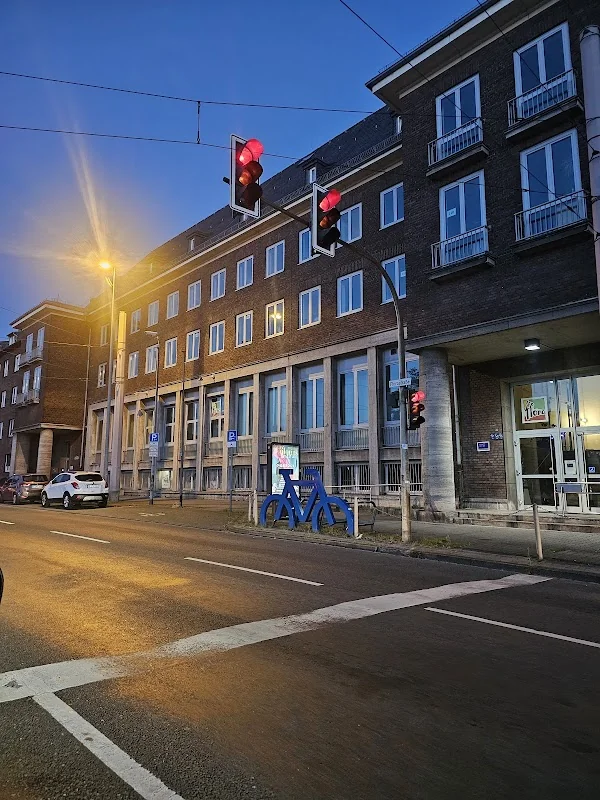
Gelsenkirchen
Florastraße 26, 45879 Gelsenkirchen, Deutschland
Cultural Space the flora | Program & Tickets
The cultural space the flora in Gelsenkirchen is a place where history, present, and urban cultural work meet in a remarkably compact way. Those who visit the flora do not experience an anonymous large hall, but an intimate stage with character, a clear content profile, and a house that has gained a distinctive charm from its past as a state central bank. Since 1995, cultural events have been presented here; since 2002, the facility has been anchored as the fourth cultural institute of the Department of Culture. Today, the flora connects readings, discussions, theater, film, music, and socio-political formats into a program that consciously stays close to the city and its themes. The official description calls the house a lively cultural center in the heart of the city, open for exchange, encounter, and debate. This mixture is exactly what makes the special appeal: the flora is small enough for intimacy and large enough for strong evenings with character. ([gelsenkirchen.de](https://www.gelsenkirchen.de/de/kultur/kultur-_und_veranstaltungsorte/kulturraum__die_flora_/von_der_kassenhalle_zum_kulturraum.aspx))
Events, Program, and Diversity of Topics
The content profile of the flora is clear and at the same time remarkably versatile. The official page emphasizes that the program is diverse, critical, and engaged, and has oriented itself for many years towards historical, socio-cultural, and current socio-political themes. This line shapes not only individual series but the entire self-understanding of the house. The flora sees itself as a cultural place for discussion and engagement, a space where culture is not merely consumed but negotiated together. This fits lectures on political, intercultural, and historical issues as well as readings, theater evenings, music, and selected film series. The house is thus not simply an event space but a public space for thought and encounter, where urban themes have as much space as regional and global perspectives. ([gelsenkirchen.de](https://www.gelsenkirchen.de/de/kultur/kultur-_und_veranstaltungsorte/kulturraum__die_flora_/von_der_kassenhalle_zum_kulturraum.aspx))
Particularly important is the openness of the house to different formats and partners. The city of Gelsenkirchen explicitly describes the flora as an open forum for providers of free cultural work, associations, initiatives, and other municipal institutions. In addition to its own events, guest events and cooperation projects are therefore not a marginal topic but a fixed part of the concept. This is exactly where the great variety arises: one evening can be a reading, the next a debate, then a concert or a thematic film series. This program architecture is particularly relevant for search queries like the flora program, events, or flora culture because it shows that the institution is not fixed to a single genre but functions as a flexible cultural center. So, those searching for cultural space the flora Gelsenkirchen are actually looking for a place where literary, musical, and social content come together under one roof. ([gelsenkirchen.de](https://www.gelsenkirchen.de/de/kultur/kultur-_und_veranstaltungsorte/kulturraum__die_flora_/von_der_kassenhalle_zum_kulturraum.aspx))
The current notices on the homepage also underline this orientation. There are regularly announcements, reviews, and program notes that show that the flora is continuously active and develops its identity from vibrant practice. In the reviews and program lines, formats like GEjazzt Open, literary readings, lectures, film evenings, and thematic series appear. The quality of this program lies not only in the selection of content but in the special closeness between the audience and the stage. Compared to large halls, a distinctly more direct atmosphere is created here, favoring conversations after the event, reactions during the evening, and a concentrated listening space. Therefore, those searching for the flora events or the flora program usually want not just a calendar but a place with a recognizable stance and a profile that connects cultural diversity with social relevance. ([gelsenkirchen.de](https://www.gelsenkirchen.de/de/kultur/kultur-_und_veranstaltungsorte/kulturraum__die_flora_/))
Readings, Theater, and Concerts in a Small Setting
The flora is particularly well-suited for readings, lectures, discussions, projector and film presentations, as well as for music, cabaret, and theater events with smaller ensembles and simple stage designs. This assessment is not just a technical footnote but accurately explains the character of the house. The hall is designed not for maximum size but for precision and intimacy. This makes it particularly attractive for literary events where language and concentration are at the center, as well as for chamber music, jazz, world music, or theater with manageable casts. The house is thus particularly suitable for formats that benefit from immediate perception and good acoustics. In practice, the range extends from lecture evenings to musical series, from social issues to artistic programs with a conscious focus on content and atmosphere. ([gelsenkirchen.de](https://www.gelsenkirchen.de/de/kultur/kultur-_und_veranstaltungsorte/kulturraum__die_flora_/informationen_fuer_veranstalter_innen/_doc/vertrag_veranstalter_stand_03_2021_auszug.pdf))
The cultural breadth is made visible through municipal program practice. On the website and in the event announcements, there are readings, cinema formats, discussion evenings, music events, and series that deal with current or historical topics. Especially in a city like Gelsenkirchen, such a place is important because it not only offers consumable evening entertainment but also creates spaces for education, remembrance, and exchange. The flora is, in this sense, a place for an audience that wants to engage with content, and for cultural creators looking for a concentrated space. This applies equally to local actors and guests from outside. For search terms like concert Gelsenkirchen, theater Gelsenkirchen, or readings Gelsenkirchen, the flora is therefore a relevant hit because it is not just an event venue but a curated cultural space with a clear thematic line. ([gelsenkirchen.de](https://www.gelsenkirchen.de/de/kultur/kultur-_und_veranstaltungsorte/kulturraum__die_flora_/von_der_kassenhalle_zum_kulturraum.aspx))
Another advantage lies in the intimacy of the house. The stage is close to the audience, the paths are short, and the space invites a concentrated, almost dialogical atmosphere. For authors, speakers, and musicians, this is particularly valuable because reactions from the audience are not lost. At the same time, the flora is open to guest events from associations, initiatives, and institutions, which means that the audience changes repeatedly and the program culture remains vibrant. This mixture makes the house particularly suitable for the search query cultural house flora: it means a cultural house in the best sense, a place where events not only take place but are anchored in content. For visitors, this means: those who experience an evening in the flora usually do not just get a show but a carefully set cultural framework. ([gelsenkirchen.de](https://www.gelsenkirchen.de/de/kultur/kultur-_und_veranstaltungsorte/kulturraum__die_flora_/von_der_kassenhalle_zum_kulturraum.aspx))
Tickets, Reservations, and Box Office
Anyone wishing to visit an evening at the flora should be familiar with the ticket process. According to the official website, ticket reservations can be made by phone at +49 (209) 169-9105 and by email. The house requests information such as name, phone number, event, number of tickets, and possibly the reason for a reduced price. The reservation only becomes binding with a confirmation. This clearly regulated communication is practical because it creates planning security in a smaller house with a manageable number of seats. Since only 99 people are allowed, early reservation is particularly sensible, especially for sought-after readings, concerts, or special formats. For visitors searching for the flora tickets, it is important to know: advance sales are currently not possible, so reservations play a central role. ([gelsenkirchen.de](https://www.gelsenkirchen.de/de/kultur/kultur-_und_veranstaltungsorte/kulturraum__die_flora_/))
The box office usually opens 30 minutes before the event starts, and reserved tickets should be picked up at that time. This sounds simple but is crucial for a smooth event visit because the flora consciously works with short paths and personal communication. The admission also follows this rhythm. At many smaller cultural venues, this immediate process is part of the experience: no anonymous mass operation, but a manageable, personal situation. The organizer also points out that discounts usually apply to students, trainees, and holders of the GE pass or volunteer card, and that entitled companions of severely disabled persons have free admission. These conditions make the flora accessible to a wide audience. ([gelsenkirchen.de](https://www.gelsenkirchen.de/de/kultur/kultur-_und_veranstaltungsorte/kulturraum__die_flora_/))
For organizers, it is also relevant that the house works with clear processes. According to the contract excerpt, the evening box office, hall admission, and technical coordination are organized by the responsible parties. This shows that the flora is not just a program area of the city but also a professionally managed event venue with regulated responsibilities. Anyone planning their own event should contact early because the house requires coordination on technical feasibility and integration into the profile of the flora. This is particularly important for formats with stage technology, lighting, sound, or film projection. For visitors, it is especially relevant: the organization is transparent, the paths are clear, and the process on-site follows a comprehensible structure. This increases the reliability of the visit and supports the calm, concentrated atmosphere of the house. ([gelsenkirchen.de](https://www.gelsenkirchen.de/de/kultur/kultur-_und_veranstaltungsorte/kulturraum__die_flora_/informationen_fuer_veranstalter_innen/_doc/vertrag_veranstalter_stand_03_2021_auszug.pdf))
Access, Parking, and Accessibility
The flora is located at Florastraße 26 in 45879 Gelsenkirchen and is very well accessible by public transport according to the city. For arrival by car, the organizer mentions different options: there is a disabled parking space in front of the building, and there are parking spaces in the garage and courtyard for organizers, artists, speakers, or special guests. At the same time, it is noted that the parking offer may be limited during weekdays, so early coordination is advisable. A travel sketch can be sent by email upon request. An official brochure also mentions a public parking lot on Florastraße in front of the entrance. For search queries like parking the flora or access the flora, these are the crucial practical information. ([gelsenkirchen.de](https://www.gelsenkirchen.de/de/kultur/kultur-_und_veranstaltungsorte/kulturraum__die_flora_/informationen_fuer_veranstalter_innen/_doc/vertrag_veranstalter_stand_03_2021_auszug.pdf?utm_source=openai))
Accessibility is also important for the visit and is clearly described on the website. The entrance area is equipped with a platform lift that can be operated with a Euro key or by staff. There is also a disabled toilet and a parking space in front of the building; however, the website points out that the toilets are only partially accessible. For visitors with mobility restrictions, this means: the flora is generally accessible and strives to enable participation, but one should contact in advance for individual requirements. This openness and transparency make the house trustworthy. The institution does not see accessibility merely as a duty but as a practical component of an inviting cultural place. ([gelsenkirchen.de](https://www.gelsenkirchen.de/de/kultur/kultur-_und_veranstaltungsorte/kulturraum__die_flora_/))
It is particularly noteworthy that the flora pragmatically solves many access issues despite its historic building. The entrance area is fully accessible, and the stage as well as certain functional areas are part of an organizationally well-thought-out house. For guests with special needs, it is especially important to gather information in advance if a specific event is to be attended. The house emphasizes the possibility of coordination, and this is often the best way in a smaller cultural space. Therefore, those searching for the flora barrier-free will find not just a mere symbol but concrete infrastructure and clear indications. Together with the central location, good accessibility, and available parking spaces, a realistic, practical visit picture emerges that appeals to both spontaneous guests and planning groups. ([gelsenkirchen.de](https://www.gelsenkirchen.de/de/kultur/kultur-_und_veranstaltungsorte/kulturraum__die_flora_/))
Room Plan, Capacity, and Technical Equipment
The technical and spatial structure of the flora is one of the most important reasons for its special effect. According to the contract excerpt, the event hall is approximately 200 square meters in size and about 3.50 meters high. The space falls under the regulations for event and production venues for scenic representation and not for classic assembly venues. The floor plan in Maltese cross shape and the ceiling columns limit the usable area and sightlines, which is why a maximum of 99 people are allowed. This number is central to event planning and also explains the intimate atmosphere of the house. Those searching for the flora seating plan or the flora capacity are thus looking for a space that is deliberately optimized for intimacy and good sightlines, not for mass. ([gelsenkirchen.de](https://www.gelsenkirchen.de/de/kultur/kultur-_und_veranstaltungsorte/kulturraum__die_flora_/informationen_fuer_veranstalter_innen/_doc/vertrag_veranstalter_stand_03_2021_auszug.pdf))
The facilities include an event hall with a stage, a gastro area in the meeting point, the large and small foyer with a mobile box office and waiting area, as well as a backstage area with wardrobe and toilet for artists. The fixed stage measures 5.00 meters in width, 2.50 meters in depth, and 3.00 meters in height; it stands on a 0.60-meter-high platform and can be extended in depth with additional stage elements. The stage walls are equipped with removable velvet curtains, while a theater curtain in front of the stage is not present. This setup shows that the flora is designed for formats with small to medium technical demands. Particularly readings, lectures, chamber music, and small theater productions benefit from this structure because it focuses on content and presence. ([gelsenkirchen.de](https://www.gelsenkirchen.de/de/kultur/kultur-_und_veranstaltungsorte/kulturraum__die_flora_/informationen_fuer_veranstalter_innen/_doc/vertrag_veranstalter_stand_03_2021_auszug.pdf))
The technology is also aligned with this usage logic. Film projections usually run via a ceiling projector directly onto the back wall of the stage; lighting and sound are controlled at a technical station at the entrance to the hall. A louver system for darkening and a ventilation system are available. The location is thus well-suited for presentations, discussions, and audiovisual formats. In the gastro area of the meeting point, the catering of the audience can take place; it can also be used for smaller seminars or workshops. Therefore, a functional environment is available for receptions, conferences, and group work without losing the special atmosphere. This mixture of history, technical practicality, and limited size is a crucial part of the profile. The space is not arbitrary but deliberately shaped. This is exactly what makes it interesting for search intentions like the flora events or cultural space the flora Gelsenkirchen. ([gelsenkirchen.de](https://www.gelsenkirchen.de/de/kultur/kultur-_und_veranstaltungsorte/kulturraum__die_flora_/informationen_fuer_veranstalter_innen/_doc/vertrag_veranstalter_stand_03_2021_auszug.pdf))
The seating plans show different variants with up to 99 chairs; depending on the event, the seating can be reduced or supplemented with bistro tables. In certain cases, complete removal of the seating is also possible. This keeps the space flexible without losing its character. The technical and spatial equipment fits a place that deliberately focuses on dialogical events, concentrated performances, and direct encounters. It is particularly important for organizers that the house requires coordination on technology, stage setups, and possible specialists. This is not an obstacle but a quality feature because it adapts the event to the possibilities of the house. For the audience, this structure means a clear advantage: good visibility, manageable paths, immediate contact with the stage, and a space that becomes part of the cultural experience itself. ([gelsenkirchen.de](https://www.gelsenkirchen.de/de/kultur/kultur-_und_veranstaltungsorte/kulturraum__die_flora_/informationen_fuer_veranstalter_innen/_doc/vertrag_veranstalter_stand_03_2021_auszug.pdf))
History, Renovation, and Cultural Significance
The history of the house gives the flora its special charm. The official history page explains that in the 1870s, boulevard theaters gained popularity in German cities and were often named Flora, inspired by the Roman goddess of youth and joy of life. Gelsenkirchen received its first boulevard theater in 1875 in the restaurant Zur Flora. Later, between 1949 and 1951, the state central bank was built at Florastraße 26 to 28 according to plans by the Düsseldorf architect Jung. In the foyer, the mosaic Trade, Traffic, and Economy by the Gelsenkirchen artist Eduard Bischoff was created in 1951. These historical layers explain why the building is not only functional but also identity-forming. The flora is a house with a city memory. ([gelsenkirchen.de](https://www.gelsenkirchen.de/de/kultur/kultur-_und_veranstaltungsorte/kulturraum__die_flora_/geschichte/index.aspx))
After the vacancy of the state central bank and the cultural reorientation, the building was opened as a cultural space in 1995. The official text version vividly describes how salaries were paid and financial transactions were made in the past, while today cultural programs, spotlights, and event technology shape the space. The image of the walk-in vault, where instead of gold bars, technology is now stored, is more than just a beautiful metaphor. It shows how a place of economic administration became a space for public culture. This repurposing is important for Gelsenkirchen because it makes the structural change of the city visible. From a bank hall, a stage emerged; from an administrative building, a place of conversation, art, and engagement. ([gelsenkirchen.de](https://www.gelsenkirchen.de/de/kultur/kultur-_und_veranstaltungsorte/kulturraum__die_flora_/von_der_kassenhalle_zum_kulturraum.aspx))
For its 20th anniversary in 2015, the facility was refreshed, the technology modernized, and more space for encounters and discussions was created. In 2020, a further modernization followed for the 25th anniversary. Since then, video recordings and streaming have also played a more important role. This development shows that the flora is not a museum of its own success but continually adapts to new cultural forms. At the same time, the core remains: a committed, discursive cultural place with regional anchoring. As a municipal cultural institute, the flora collaborates with the free scene while also connecting to the responsibility of a Ruhr area city in transition. This dual perspective makes the house so interesting: it is both a municipal institution and an open forum, a bearer of tradition and a place of the present. ([gelsenkirchen.de](https://www.gelsenkirchen.de/de/kultur/kultur-_und_veranstaltungsorte/kulturraum__die_flora_/von_der_kassenhalle_zum_kulturraum.aspx))
Today, those searching for cultural space the flora, cultural house flora, or flora culture will therefore find not just an event venue but a piece of urban cultural history with vibrant presence. The flora is a house for readings, discussions, music, theater, and film, but also a place where Gelsenkirchen negotiates its own cultural identity. Especially because the building visibly carries its history, an unmistakable ambiance is created: black marble columns, former ticket counters, a walk-in vault, and a hall that has become a stage. This architecture tells a story of change, repurposing, and cultural self-assertion. For visitors, this is not only beautiful to see but shapes the entire perception of an evening. The flora is therefore both functional and memorable, factual and atmospheric, small yet significant. ([gelsenkirchen.de](https://www.gelsenkirchen.de/de/kultur/kultur-_und_veranstaltungsorte/kulturraum__die_flora_/von_der_kassenhalle_zum_kulturraum.aspx))
Sources:
Show moreShow less
Cultural Space the flora | Program & Tickets
The cultural space the flora in Gelsenkirchen is a place where history, present, and urban cultural work meet in a remarkably compact way. Those who visit the flora do not experience an anonymous large hall, but an intimate stage with character, a clear content profile, and a house that has gained a distinctive charm from its past as a state central bank. Since 1995, cultural events have been presented here; since 2002, the facility has been anchored as the fourth cultural institute of the Department of Culture. Today, the flora connects readings, discussions, theater, film, music, and socio-political formats into a program that consciously stays close to the city and its themes. The official description calls the house a lively cultural center in the heart of the city, open for exchange, encounter, and debate. This mixture is exactly what makes the special appeal: the flora is small enough for intimacy and large enough for strong evenings with character. ([gelsenkirchen.de](https://www.gelsenkirchen.de/de/kultur/kultur-_und_veranstaltungsorte/kulturraum__die_flora_/von_der_kassenhalle_zum_kulturraum.aspx))
Events, Program, and Diversity of Topics
The content profile of the flora is clear and at the same time remarkably versatile. The official page emphasizes that the program is diverse, critical, and engaged, and has oriented itself for many years towards historical, socio-cultural, and current socio-political themes. This line shapes not only individual series but the entire self-understanding of the house. The flora sees itself as a cultural place for discussion and engagement, a space where culture is not merely consumed but negotiated together. This fits lectures on political, intercultural, and historical issues as well as readings, theater evenings, music, and selected film series. The house is thus not simply an event space but a public space for thought and encounter, where urban themes have as much space as regional and global perspectives. ([gelsenkirchen.de](https://www.gelsenkirchen.de/de/kultur/kultur-_und_veranstaltungsorte/kulturraum__die_flora_/von_der_kassenhalle_zum_kulturraum.aspx))
Particularly important is the openness of the house to different formats and partners. The city of Gelsenkirchen explicitly describes the flora as an open forum for providers of free cultural work, associations, initiatives, and other municipal institutions. In addition to its own events, guest events and cooperation projects are therefore not a marginal topic but a fixed part of the concept. This is exactly where the great variety arises: one evening can be a reading, the next a debate, then a concert or a thematic film series. This program architecture is particularly relevant for search queries like the flora program, events, or flora culture because it shows that the institution is not fixed to a single genre but functions as a flexible cultural center. So, those searching for cultural space the flora Gelsenkirchen are actually looking for a place where literary, musical, and social content come together under one roof. ([gelsenkirchen.de](https://www.gelsenkirchen.de/de/kultur/kultur-_und_veranstaltungsorte/kulturraum__die_flora_/von_der_kassenhalle_zum_kulturraum.aspx))
The current notices on the homepage also underline this orientation. There are regularly announcements, reviews, and program notes that show that the flora is continuously active and develops its identity from vibrant practice. In the reviews and program lines, formats like GEjazzt Open, literary readings, lectures, film evenings, and thematic series appear. The quality of this program lies not only in the selection of content but in the special closeness between the audience and the stage. Compared to large halls, a distinctly more direct atmosphere is created here, favoring conversations after the event, reactions during the evening, and a concentrated listening space. Therefore, those searching for the flora events or the flora program usually want not just a calendar but a place with a recognizable stance and a profile that connects cultural diversity with social relevance. ([gelsenkirchen.de](https://www.gelsenkirchen.de/de/kultur/kultur-_und_veranstaltungsorte/kulturraum__die_flora_/))
Readings, Theater, and Concerts in a Small Setting
The flora is particularly well-suited for readings, lectures, discussions, projector and film presentations, as well as for music, cabaret, and theater events with smaller ensembles and simple stage designs. This assessment is not just a technical footnote but accurately explains the character of the house. The hall is designed not for maximum size but for precision and intimacy. This makes it particularly attractive for literary events where language and concentration are at the center, as well as for chamber music, jazz, world music, or theater with manageable casts. The house is thus particularly suitable for formats that benefit from immediate perception and good acoustics. In practice, the range extends from lecture evenings to musical series, from social issues to artistic programs with a conscious focus on content and atmosphere. ([gelsenkirchen.de](https://www.gelsenkirchen.de/de/kultur/kultur-_und_veranstaltungsorte/kulturraum__die_flora_/informationen_fuer_veranstalter_innen/_doc/vertrag_veranstalter_stand_03_2021_auszug.pdf))
The cultural breadth is made visible through municipal program practice. On the website and in the event announcements, there are readings, cinema formats, discussion evenings, music events, and series that deal with current or historical topics. Especially in a city like Gelsenkirchen, such a place is important because it not only offers consumable evening entertainment but also creates spaces for education, remembrance, and exchange. The flora is, in this sense, a place for an audience that wants to engage with content, and for cultural creators looking for a concentrated space. This applies equally to local actors and guests from outside. For search terms like concert Gelsenkirchen, theater Gelsenkirchen, or readings Gelsenkirchen, the flora is therefore a relevant hit because it is not just an event venue but a curated cultural space with a clear thematic line. ([gelsenkirchen.de](https://www.gelsenkirchen.de/de/kultur/kultur-_und_veranstaltungsorte/kulturraum__die_flora_/von_der_kassenhalle_zum_kulturraum.aspx))
Another advantage lies in the intimacy of the house. The stage is close to the audience, the paths are short, and the space invites a concentrated, almost dialogical atmosphere. For authors, speakers, and musicians, this is particularly valuable because reactions from the audience are not lost. At the same time, the flora is open to guest events from associations, initiatives, and institutions, which means that the audience changes repeatedly and the program culture remains vibrant. This mixture makes the house particularly suitable for the search query cultural house flora: it means a cultural house in the best sense, a place where events not only take place but are anchored in content. For visitors, this means: those who experience an evening in the flora usually do not just get a show but a carefully set cultural framework. ([gelsenkirchen.de](https://www.gelsenkirchen.de/de/kultur/kultur-_und_veranstaltungsorte/kulturraum__die_flora_/von_der_kassenhalle_zum_kulturraum.aspx))
Tickets, Reservations, and Box Office
Anyone wishing to visit an evening at the flora should be familiar with the ticket process. According to the official website, ticket reservations can be made by phone at +49 (209) 169-9105 and by email. The house requests information such as name, phone number, event, number of tickets, and possibly the reason for a reduced price. The reservation only becomes binding with a confirmation. This clearly regulated communication is practical because it creates planning security in a smaller house with a manageable number of seats. Since only 99 people are allowed, early reservation is particularly sensible, especially for sought-after readings, concerts, or special formats. For visitors searching for the flora tickets, it is important to know: advance sales are currently not possible, so reservations play a central role. ([gelsenkirchen.de](https://www.gelsenkirchen.de/de/kultur/kultur-_und_veranstaltungsorte/kulturraum__die_flora_/))
The box office usually opens 30 minutes before the event starts, and reserved tickets should be picked up at that time. This sounds simple but is crucial for a smooth event visit because the flora consciously works with short paths and personal communication. The admission also follows this rhythm. At many smaller cultural venues, this immediate process is part of the experience: no anonymous mass operation, but a manageable, personal situation. The organizer also points out that discounts usually apply to students, trainees, and holders of the GE pass or volunteer card, and that entitled companions of severely disabled persons have free admission. These conditions make the flora accessible to a wide audience. ([gelsenkirchen.de](https://www.gelsenkirchen.de/de/kultur/kultur-_und_veranstaltungsorte/kulturraum__die_flora_/))
For organizers, it is also relevant that the house works with clear processes. According to the contract excerpt, the evening box office, hall admission, and technical coordination are organized by the responsible parties. This shows that the flora is not just a program area of the city but also a professionally managed event venue with regulated responsibilities. Anyone planning their own event should contact early because the house requires coordination on technical feasibility and integration into the profile of the flora. This is particularly important for formats with stage technology, lighting, sound, or film projection. For visitors, it is especially relevant: the organization is transparent, the paths are clear, and the process on-site follows a comprehensible structure. This increases the reliability of the visit and supports the calm, concentrated atmosphere of the house. ([gelsenkirchen.de](https://www.gelsenkirchen.de/de/kultur/kultur-_und_veranstaltungsorte/kulturraum__die_flora_/informationen_fuer_veranstalter_innen/_doc/vertrag_veranstalter_stand_03_2021_auszug.pdf))
Access, Parking, and Accessibility
The flora is located at Florastraße 26 in 45879 Gelsenkirchen and is very well accessible by public transport according to the city. For arrival by car, the organizer mentions different options: there is a disabled parking space in front of the building, and there are parking spaces in the garage and courtyard for organizers, artists, speakers, or special guests. At the same time, it is noted that the parking offer may be limited during weekdays, so early coordination is advisable. A travel sketch can be sent by email upon request. An official brochure also mentions a public parking lot on Florastraße in front of the entrance. For search queries like parking the flora or access the flora, these are the crucial practical information. ([gelsenkirchen.de](https://www.gelsenkirchen.de/de/kultur/kultur-_und_veranstaltungsorte/kulturraum__die_flora_/informationen_fuer_veranstalter_innen/_doc/vertrag_veranstalter_stand_03_2021_auszug.pdf?utm_source=openai))
Accessibility is also important for the visit and is clearly described on the website. The entrance area is equipped with a platform lift that can be operated with a Euro key or by staff. There is also a disabled toilet and a parking space in front of the building; however, the website points out that the toilets are only partially accessible. For visitors with mobility restrictions, this means: the flora is generally accessible and strives to enable participation, but one should contact in advance for individual requirements. This openness and transparency make the house trustworthy. The institution does not see accessibility merely as a duty but as a practical component of an inviting cultural place. ([gelsenkirchen.de](https://www.gelsenkirchen.de/de/kultur/kultur-_und_veranstaltungsorte/kulturraum__die_flora_/))
It is particularly noteworthy that the flora pragmatically solves many access issues despite its historic building. The entrance area is fully accessible, and the stage as well as certain functional areas are part of an organizationally well-thought-out house. For guests with special needs, it is especially important to gather information in advance if a specific event is to be attended. The house emphasizes the possibility of coordination, and this is often the best way in a smaller cultural space. Therefore, those searching for the flora barrier-free will find not just a mere symbol but concrete infrastructure and clear indications. Together with the central location, good accessibility, and available parking spaces, a realistic, practical visit picture emerges that appeals to both spontaneous guests and planning groups. ([gelsenkirchen.de](https://www.gelsenkirchen.de/de/kultur/kultur-_und_veranstaltungsorte/kulturraum__die_flora_/))
Room Plan, Capacity, and Technical Equipment
The technical and spatial structure of the flora is one of the most important reasons for its special effect. According to the contract excerpt, the event hall is approximately 200 square meters in size and about 3.50 meters high. The space falls under the regulations for event and production venues for scenic representation and not for classic assembly venues. The floor plan in Maltese cross shape and the ceiling columns limit the usable area and sightlines, which is why a maximum of 99 people are allowed. This number is central to event planning and also explains the intimate atmosphere of the house. Those searching for the flora seating plan or the flora capacity are thus looking for a space that is deliberately optimized for intimacy and good sightlines, not for mass. ([gelsenkirchen.de](https://www.gelsenkirchen.de/de/kultur/kultur-_und_veranstaltungsorte/kulturraum__die_flora_/informationen_fuer_veranstalter_innen/_doc/vertrag_veranstalter_stand_03_2021_auszug.pdf))
The facilities include an event hall with a stage, a gastro area in the meeting point, the large and small foyer with a mobile box office and waiting area, as well as a backstage area with wardrobe and toilet for artists. The fixed stage measures 5.00 meters in width, 2.50 meters in depth, and 3.00 meters in height; it stands on a 0.60-meter-high platform and can be extended in depth with additional stage elements. The stage walls are equipped with removable velvet curtains, while a theater curtain in front of the stage is not present. This setup shows that the flora is designed for formats with small to medium technical demands. Particularly readings, lectures, chamber music, and small theater productions benefit from this structure because it focuses on content and presence. ([gelsenkirchen.de](https://www.gelsenkirchen.de/de/kultur/kultur-_und_veranstaltungsorte/kulturraum__die_flora_/informationen_fuer_veranstalter_innen/_doc/vertrag_veranstalter_stand_03_2021_auszug.pdf))
The technology is also aligned with this usage logic. Film projections usually run via a ceiling projector directly onto the back wall of the stage; lighting and sound are controlled at a technical station at the entrance to the hall. A louver system for darkening and a ventilation system are available. The location is thus well-suited for presentations, discussions, and audiovisual formats. In the gastro area of the meeting point, the catering of the audience can take place; it can also be used for smaller seminars or workshops. Therefore, a functional environment is available for receptions, conferences, and group work without losing the special atmosphere. This mixture of history, technical practicality, and limited size is a crucial part of the profile. The space is not arbitrary but deliberately shaped. This is exactly what makes it interesting for search intentions like the flora events or cultural space the flora Gelsenkirchen. ([gelsenkirchen.de](https://www.gelsenkirchen.de/de/kultur/kultur-_und_veranstaltungsorte/kulturraum__die_flora_/informationen_fuer_veranstalter_innen/_doc/vertrag_veranstalter_stand_03_2021_auszug.pdf))
The seating plans show different variants with up to 99 chairs; depending on the event, the seating can be reduced or supplemented with bistro tables. In certain cases, complete removal of the seating is also possible. This keeps the space flexible without losing its character. The technical and spatial equipment fits a place that deliberately focuses on dialogical events, concentrated performances, and direct encounters. It is particularly important for organizers that the house requires coordination on technology, stage setups, and possible specialists. This is not an obstacle but a quality feature because it adapts the event to the possibilities of the house. For the audience, this structure means a clear advantage: good visibility, manageable paths, immediate contact with the stage, and a space that becomes part of the cultural experience itself. ([gelsenkirchen.de](https://www.gelsenkirchen.de/de/kultur/kultur-_und_veranstaltungsorte/kulturraum__die_flora_/informationen_fuer_veranstalter_innen/_doc/vertrag_veranstalter_stand_03_2021_auszug.pdf))
History, Renovation, and Cultural Significance
The history of the house gives the flora its special charm. The official history page explains that in the 1870s, boulevard theaters gained popularity in German cities and were often named Flora, inspired by the Roman goddess of youth and joy of life. Gelsenkirchen received its first boulevard theater in 1875 in the restaurant Zur Flora. Later, between 1949 and 1951, the state central bank was built at Florastraße 26 to 28 according to plans by the Düsseldorf architect Jung. In the foyer, the mosaic Trade, Traffic, and Economy by the Gelsenkirchen artist Eduard Bischoff was created in 1951. These historical layers explain why the building is not only functional but also identity-forming. The flora is a house with a city memory. ([gelsenkirchen.de](https://www.gelsenkirchen.de/de/kultur/kultur-_und_veranstaltungsorte/kulturraum__die_flora_/geschichte/index.aspx))
After the vacancy of the state central bank and the cultural reorientation, the building was opened as a cultural space in 1995. The official text version vividly describes how salaries were paid and financial transactions were made in the past, while today cultural programs, spotlights, and event technology shape the space. The image of the walk-in vault, where instead of gold bars, technology is now stored, is more than just a beautiful metaphor. It shows how a place of economic administration became a space for public culture. This repurposing is important for Gelsenkirchen because it makes the structural change of the city visible. From a bank hall, a stage emerged; from an administrative building, a place of conversation, art, and engagement. ([gelsenkirchen.de](https://www.gelsenkirchen.de/de/kultur/kultur-_und_veranstaltungsorte/kulturraum__die_flora_/von_der_kassenhalle_zum_kulturraum.aspx))
For its 20th anniversary in 2015, the facility was refreshed, the technology modernized, and more space for encounters and discussions was created. In 2020, a further modernization followed for the 25th anniversary. Since then, video recordings and streaming have also played a more important role. This development shows that the flora is not a museum of its own success but continually adapts to new cultural forms. At the same time, the core remains: a committed, discursive cultural place with regional anchoring. As a municipal cultural institute, the flora collaborates with the free scene while also connecting to the responsibility of a Ruhr area city in transition. This dual perspective makes the house so interesting: it is both a municipal institution and an open forum, a bearer of tradition and a place of the present. ([gelsenkirchen.de](https://www.gelsenkirchen.de/de/kultur/kultur-_und_veranstaltungsorte/kulturraum__die_flora_/von_der_kassenhalle_zum_kulturraum.aspx))
Today, those searching for cultural space the flora, cultural house flora, or flora culture will therefore find not just an event venue but a piece of urban cultural history with vibrant presence. The flora is a house for readings, discussions, music, theater, and film, but also a place where Gelsenkirchen negotiates its own cultural identity. Especially because the building visibly carries its history, an unmistakable ambiance is created: black marble columns, former ticket counters, a walk-in vault, and a hall that has become a stage. This architecture tells a story of change, repurposing, and cultural self-assertion. For visitors, this is not only beautiful to see but shapes the entire perception of an evening. The flora is therefore both functional and memorable, factual and atmospheric, small yet significant. ([gelsenkirchen.de](https://www.gelsenkirchen.de/de/kultur/kultur-_und_veranstaltungsorte/kulturraum__die_flora_/von_der_kassenhalle_zum_kulturraum.aspx))
Sources:
Cultural Space the flora | Program & Tickets
The cultural space the flora in Gelsenkirchen is a place where history, present, and urban cultural work meet in a remarkably compact way. Those who visit the flora do not experience an anonymous large hall, but an intimate stage with character, a clear content profile, and a house that has gained a distinctive charm from its past as a state central bank. Since 1995, cultural events have been presented here; since 2002, the facility has been anchored as the fourth cultural institute of the Department of Culture. Today, the flora connects readings, discussions, theater, film, music, and socio-political formats into a program that consciously stays close to the city and its themes. The official description calls the house a lively cultural center in the heart of the city, open for exchange, encounter, and debate. This mixture is exactly what makes the special appeal: the flora is small enough for intimacy and large enough for strong evenings with character. ([gelsenkirchen.de](https://www.gelsenkirchen.de/de/kultur/kultur-_und_veranstaltungsorte/kulturraum__die_flora_/von_der_kassenhalle_zum_kulturraum.aspx))
Events, Program, and Diversity of Topics
The content profile of the flora is clear and at the same time remarkably versatile. The official page emphasizes that the program is diverse, critical, and engaged, and has oriented itself for many years towards historical, socio-cultural, and current socio-political themes. This line shapes not only individual series but the entire self-understanding of the house. The flora sees itself as a cultural place for discussion and engagement, a space where culture is not merely consumed but negotiated together. This fits lectures on political, intercultural, and historical issues as well as readings, theater evenings, music, and selected film series. The house is thus not simply an event space but a public space for thought and encounter, where urban themes have as much space as regional and global perspectives. ([gelsenkirchen.de](https://www.gelsenkirchen.de/de/kultur/kultur-_und_veranstaltungsorte/kulturraum__die_flora_/von_der_kassenhalle_zum_kulturraum.aspx))
Particularly important is the openness of the house to different formats and partners. The city of Gelsenkirchen explicitly describes the flora as an open forum for providers of free cultural work, associations, initiatives, and other municipal institutions. In addition to its own events, guest events and cooperation projects are therefore not a marginal topic but a fixed part of the concept. This is exactly where the great variety arises: one evening can be a reading, the next a debate, then a concert or a thematic film series. This program architecture is particularly relevant for search queries like the flora program, events, or flora culture because it shows that the institution is not fixed to a single genre but functions as a flexible cultural center. So, those searching for cultural space the flora Gelsenkirchen are actually looking for a place where literary, musical, and social content come together under one roof. ([gelsenkirchen.de](https://www.gelsenkirchen.de/de/kultur/kultur-_und_veranstaltungsorte/kulturraum__die_flora_/von_der_kassenhalle_zum_kulturraum.aspx))
The current notices on the homepage also underline this orientation. There are regularly announcements, reviews, and program notes that show that the flora is continuously active and develops its identity from vibrant practice. In the reviews and program lines, formats like GEjazzt Open, literary readings, lectures, film evenings, and thematic series appear. The quality of this program lies not only in the selection of content but in the special closeness between the audience and the stage. Compared to large halls, a distinctly more direct atmosphere is created here, favoring conversations after the event, reactions during the evening, and a concentrated listening space. Therefore, those searching for the flora events or the flora program usually want not just a calendar but a place with a recognizable stance and a profile that connects cultural diversity with social relevance. ([gelsenkirchen.de](https://www.gelsenkirchen.de/de/kultur/kultur-_und_veranstaltungsorte/kulturraum__die_flora_/))
Readings, Theater, and Concerts in a Small Setting
The flora is particularly well-suited for readings, lectures, discussions, projector and film presentations, as well as for music, cabaret, and theater events with smaller ensembles and simple stage designs. This assessment is not just a technical footnote but accurately explains the character of the house. The hall is designed not for maximum size but for precision and intimacy. This makes it particularly attractive for literary events where language and concentration are at the center, as well as for chamber music, jazz, world music, or theater with manageable casts. The house is thus particularly suitable for formats that benefit from immediate perception and good acoustics. In practice, the range extends from lecture evenings to musical series, from social issues to artistic programs with a conscious focus on content and atmosphere. ([gelsenkirchen.de](https://www.gelsenkirchen.de/de/kultur/kultur-_und_veranstaltungsorte/kulturraum__die_flora_/informationen_fuer_veranstalter_innen/_doc/vertrag_veranstalter_stand_03_2021_auszug.pdf))
The cultural breadth is made visible through municipal program practice. On the website and in the event announcements, there are readings, cinema formats, discussion evenings, music events, and series that deal with current or historical topics. Especially in a city like Gelsenkirchen, such a place is important because it not only offers consumable evening entertainment but also creates spaces for education, remembrance, and exchange. The flora is, in this sense, a place for an audience that wants to engage with content, and for cultural creators looking for a concentrated space. This applies equally to local actors and guests from outside. For search terms like concert Gelsenkirchen, theater Gelsenkirchen, or readings Gelsenkirchen, the flora is therefore a relevant hit because it is not just an event venue but a curated cultural space with a clear thematic line. ([gelsenkirchen.de](https://www.gelsenkirchen.de/de/kultur/kultur-_und_veranstaltungsorte/kulturraum__die_flora_/von_der_kassenhalle_zum_kulturraum.aspx))
Another advantage lies in the intimacy of the house. The stage is close to the audience, the paths are short, and the space invites a concentrated, almost dialogical atmosphere. For authors, speakers, and musicians, this is particularly valuable because reactions from the audience are not lost. At the same time, the flora is open to guest events from associations, initiatives, and institutions, which means that the audience changes repeatedly and the program culture remains vibrant. This mixture makes the house particularly suitable for the search query cultural house flora: it means a cultural house in the best sense, a place where events not only take place but are anchored in content. For visitors, this means: those who experience an evening in the flora usually do not just get a show but a carefully set cultural framework. ([gelsenkirchen.de](https://www.gelsenkirchen.de/de/kultur/kultur-_und_veranstaltungsorte/kulturraum__die_flora_/von_der_kassenhalle_zum_kulturraum.aspx))
Tickets, Reservations, and Box Office
Anyone wishing to visit an evening at the flora should be familiar with the ticket process. According to the official website, ticket reservations can be made by phone at +49 (209) 169-9105 and by email. The house requests information such as name, phone number, event, number of tickets, and possibly the reason for a reduced price. The reservation only becomes binding with a confirmation. This clearly regulated communication is practical because it creates planning security in a smaller house with a manageable number of seats. Since only 99 people are allowed, early reservation is particularly sensible, especially for sought-after readings, concerts, or special formats. For visitors searching for the flora tickets, it is important to know: advance sales are currently not possible, so reservations play a central role. ([gelsenkirchen.de](https://www.gelsenkirchen.de/de/kultur/kultur-_und_veranstaltungsorte/kulturraum__die_flora_/))
The box office usually opens 30 minutes before the event starts, and reserved tickets should be picked up at that time. This sounds simple but is crucial for a smooth event visit because the flora consciously works with short paths and personal communication. The admission also follows this rhythm. At many smaller cultural venues, this immediate process is part of the experience: no anonymous mass operation, but a manageable, personal situation. The organizer also points out that discounts usually apply to students, trainees, and holders of the GE pass or volunteer card, and that entitled companions of severely disabled persons have free admission. These conditions make the flora accessible to a wide audience. ([gelsenkirchen.de](https://www.gelsenkirchen.de/de/kultur/kultur-_und_veranstaltungsorte/kulturraum__die_flora_/))
For organizers, it is also relevant that the house works with clear processes. According to the contract excerpt, the evening box office, hall admission, and technical coordination are organized by the responsible parties. This shows that the flora is not just a program area of the city but also a professionally managed event venue with regulated responsibilities. Anyone planning their own event should contact early because the house requires coordination on technical feasibility and integration into the profile of the flora. This is particularly important for formats with stage technology, lighting, sound, or film projection. For visitors, it is especially relevant: the organization is transparent, the paths are clear, and the process on-site follows a comprehensible structure. This increases the reliability of the visit and supports the calm, concentrated atmosphere of the house. ([gelsenkirchen.de](https://www.gelsenkirchen.de/de/kultur/kultur-_und_veranstaltungsorte/kulturraum__die_flora_/informationen_fuer_veranstalter_innen/_doc/vertrag_veranstalter_stand_03_2021_auszug.pdf))
Access, Parking, and Accessibility
The flora is located at Florastraße 26 in 45879 Gelsenkirchen and is very well accessible by public transport according to the city. For arrival by car, the organizer mentions different options: there is a disabled parking space in front of the building, and there are parking spaces in the garage and courtyard for organizers, artists, speakers, or special guests. At the same time, it is noted that the parking offer may be limited during weekdays, so early coordination is advisable. A travel sketch can be sent by email upon request. An official brochure also mentions a public parking lot on Florastraße in front of the entrance. For search queries like parking the flora or access the flora, these are the crucial practical information. ([gelsenkirchen.de](https://www.gelsenkirchen.de/de/kultur/kultur-_und_veranstaltungsorte/kulturraum__die_flora_/informationen_fuer_veranstalter_innen/_doc/vertrag_veranstalter_stand_03_2021_auszug.pdf?utm_source=openai))
Accessibility is also important for the visit and is clearly described on the website. The entrance area is equipped with a platform lift that can be operated with a Euro key or by staff. There is also a disabled toilet and a parking space in front of the building; however, the website points out that the toilets are only partially accessible. For visitors with mobility restrictions, this means: the flora is generally accessible and strives to enable participation, but one should contact in advance for individual requirements. This openness and transparency make the house trustworthy. The institution does not see accessibility merely as a duty but as a practical component of an inviting cultural place. ([gelsenkirchen.de](https://www.gelsenkirchen.de/de/kultur/kultur-_und_veranstaltungsorte/kulturraum__die_flora_/))
It is particularly noteworthy that the flora pragmatically solves many access issues despite its historic building. The entrance area is fully accessible, and the stage as well as certain functional areas are part of an organizationally well-thought-out house. For guests with special needs, it is especially important to gather information in advance if a specific event is to be attended. The house emphasizes the possibility of coordination, and this is often the best way in a smaller cultural space. Therefore, those searching for the flora barrier-free will find not just a mere symbol but concrete infrastructure and clear indications. Together with the central location, good accessibility, and available parking spaces, a realistic, practical visit picture emerges that appeals to both spontaneous guests and planning groups. ([gelsenkirchen.de](https://www.gelsenkirchen.de/de/kultur/kultur-_und_veranstaltungsorte/kulturraum__die_flora_/))
Room Plan, Capacity, and Technical Equipment
The technical and spatial structure of the flora is one of the most important reasons for its special effect. According to the contract excerpt, the event hall is approximately 200 square meters in size and about 3.50 meters high. The space falls under the regulations for event and production venues for scenic representation and not for classic assembly venues. The floor plan in Maltese cross shape and the ceiling columns limit the usable area and sightlines, which is why a maximum of 99 people are allowed. This number is central to event planning and also explains the intimate atmosphere of the house. Those searching for the flora seating plan or the flora capacity are thus looking for a space that is deliberately optimized for intimacy and good sightlines, not for mass. ([gelsenkirchen.de](https://www.gelsenkirchen.de/de/kultur/kultur-_und_veranstaltungsorte/kulturraum__die_flora_/informationen_fuer_veranstalter_innen/_doc/vertrag_veranstalter_stand_03_2021_auszug.pdf))
The facilities include an event hall with a stage, a gastro area in the meeting point, the large and small foyer with a mobile box office and waiting area, as well as a backstage area with wardrobe and toilet for artists. The fixed stage measures 5.00 meters in width, 2.50 meters in depth, and 3.00 meters in height; it stands on a 0.60-meter-high platform and can be extended in depth with additional stage elements. The stage walls are equipped with removable velvet curtains, while a theater curtain in front of the stage is not present. This setup shows that the flora is designed for formats with small to medium technical demands. Particularly readings, lectures, chamber music, and small theater productions benefit from this structure because it focuses on content and presence. ([gelsenkirchen.de](https://www.gelsenkirchen.de/de/kultur/kultur-_und_veranstaltungsorte/kulturraum__die_flora_/informationen_fuer_veranstalter_innen/_doc/vertrag_veranstalter_stand_03_2021_auszug.pdf))
The technology is also aligned with this usage logic. Film projections usually run via a ceiling projector directly onto the back wall of the stage; lighting and sound are controlled at a technical station at the entrance to the hall. A louver system for darkening and a ventilation system are available. The location is thus well-suited for presentations, discussions, and audiovisual formats. In the gastro area of the meeting point, the catering of the audience can take place; it can also be used for smaller seminars or workshops. Therefore, a functional environment is available for receptions, conferences, and group work without losing the special atmosphere. This mixture of history, technical practicality, and limited size is a crucial part of the profile. The space is not arbitrary but deliberately shaped. This is exactly what makes it interesting for search intentions like the flora events or cultural space the flora Gelsenkirchen. ([gelsenkirchen.de](https://www.gelsenkirchen.de/de/kultur/kultur-_und_veranstaltungsorte/kulturraum__die_flora_/informationen_fuer_veranstalter_innen/_doc/vertrag_veranstalter_stand_03_2021_auszug.pdf))
The seating plans show different variants with up to 99 chairs; depending on the event, the seating can be reduced or supplemented with bistro tables. In certain cases, complete removal of the seating is also possible. This keeps the space flexible without losing its character. The technical and spatial equipment fits a place that deliberately focuses on dialogical events, concentrated performances, and direct encounters. It is particularly important for organizers that the house requires coordination on technology, stage setups, and possible specialists. This is not an obstacle but a quality feature because it adapts the event to the possibilities of the house. For the audience, this structure means a clear advantage: good visibility, manageable paths, immediate contact with the stage, and a space that becomes part of the cultural experience itself. ([gelsenkirchen.de](https://www.gelsenkirchen.de/de/kultur/kultur-_und_veranstaltungsorte/kulturraum__die_flora_/informationen_fuer_veranstalter_innen/_doc/vertrag_veranstalter_stand_03_2021_auszug.pdf))
History, Renovation, and Cultural Significance
The history of the house gives the flora its special charm. The official history page explains that in the 1870s, boulevard theaters gained popularity in German cities and were often named Flora, inspired by the Roman goddess of youth and joy of life. Gelsenkirchen received its first boulevard theater in 1875 in the restaurant Zur Flora. Later, between 1949 and 1951, the state central bank was built at Florastraße 26 to 28 according to plans by the Düsseldorf architect Jung. In the foyer, the mosaic Trade, Traffic, and Economy by the Gelsenkirchen artist Eduard Bischoff was created in 1951. These historical layers explain why the building is not only functional but also identity-forming. The flora is a house with a city memory. ([gelsenkirchen.de](https://www.gelsenkirchen.de/de/kultur/kultur-_und_veranstaltungsorte/kulturraum__die_flora_/geschichte/index.aspx))
After the vacancy of the state central bank and the cultural reorientation, the building was opened as a cultural space in 1995. The official text version vividly describes how salaries were paid and financial transactions were made in the past, while today cultural programs, spotlights, and event technology shape the space. The image of the walk-in vault, where instead of gold bars, technology is now stored, is more than just a beautiful metaphor. It shows how a place of economic administration became a space for public culture. This repurposing is important for Gelsenkirchen because it makes the structural change of the city visible. From a bank hall, a stage emerged; from an administrative building, a place of conversation, art, and engagement. ([gelsenkirchen.de](https://www.gelsenkirchen.de/de/kultur/kultur-_und_veranstaltungsorte/kulturraum__die_flora_/von_der_kassenhalle_zum_kulturraum.aspx))
For its 20th anniversary in 2015, the facility was refreshed, the technology modernized, and more space for encounters and discussions was created. In 2020, a further modernization followed for the 25th anniversary. Since then, video recordings and streaming have also played a more important role. This development shows that the flora is not a museum of its own success but continually adapts to new cultural forms. At the same time, the core remains: a committed, discursive cultural place with regional anchoring. As a municipal cultural institute, the flora collaborates with the free scene while also connecting to the responsibility of a Ruhr area city in transition. This dual perspective makes the house so interesting: it is both a municipal institution and an open forum, a bearer of tradition and a place of the present. ([gelsenkirchen.de](https://www.gelsenkirchen.de/de/kultur/kultur-_und_veranstaltungsorte/kulturraum__die_flora_/von_der_kassenhalle_zum_kulturraum.aspx))
Today, those searching for cultural space the flora, cultural house flora, or flora culture will therefore find not just an event venue but a piece of urban cultural history with vibrant presence. The flora is a house for readings, discussions, music, theater, and film, but also a place where Gelsenkirchen negotiates its own cultural identity. Especially because the building visibly carries its history, an unmistakable ambiance is created: black marble columns, former ticket counters, a walk-in vault, and a hall that has become a stage. This architecture tells a story of change, repurposing, and cultural self-assertion. For visitors, this is not only beautiful to see but shapes the entire perception of an evening. The flora is therefore both functional and memorable, factual and atmospheric, small yet significant. ([gelsenkirchen.de](https://www.gelsenkirchen.de/de/kultur/kultur-_und_veranstaltungsorte/kulturraum__die_flora_/von_der_kassenhalle_zum_kulturraum.aspx))
Sources:
Upcoming Events
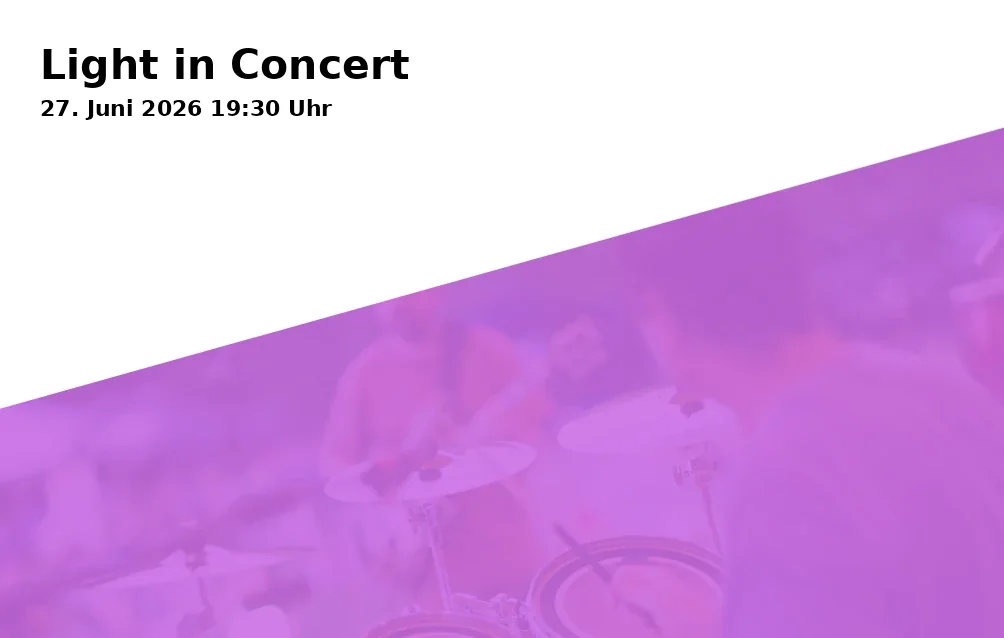
Light in Concert
An evening when light sings and sound becomes visible: Light in Concert in the flora Gelsenkirchen. 27.06.2026, 7:30 PM, 10 Euros. #LiveExperience

HOT CUNT - Reconsidering Pleasure
A provocatively clever film evening in die flora Gelsenkirchen: HOT CUNT - Reconsidering Pleasure mixes humor, docufiction, and discussion. 07.03.2026, 3 €. #Gelsenkirchen #Cinema
Frequently Asked Questions
Reviews
No reviews found