
Gelsenkirchen
Mehringstraße 16, 45896 Gelsenkirchen, Deutschland
Allotment Garden Association Scholven e.V. | Photos & Reviews
The Allotment Garden Association Scholven e.V. is a search term with a very clear local intent: Those who enter it usually want to see not just a name but a real picture of the place. This means photos, reviews, address, contact, and the first impression of a facility that is visibly anchored in Gelsenkirchen-Scholven. In the official association lists of the city association, the entry appears as 37 KGV Schachtanlage Scholven e. V.; industry and map directories often use the short form Allotment Garden Association Scholven e.V. and list the location in the district of Scholven. This search reality is important for SEO because it shows how people actually find and compare the association. Those searching for an allotment garden do not want an abstract association description but a reliable classification that combines location, size, and association character. ([kleingarten-gelsenkirchen.de](https://www.kleingarten-gelsenkirchen.de/verein/37-kgv-schachtanlage-scholven-e-v-/45))
The most important reliable key data can be quickly summarized: 94 plots on a total area of 52,730 square meters, an association location in Gelsenkirchen-Scholven, and the integration into the city association of allotment gardeners Gelsenkirchen e.V. The official city association page lists Mehringstrasse 21 and its own association email; the city of Gelsenkirchen, on the other hand, locates the district festival North 2026 at Mehringstraße 16. This slightly different address situation is not a contradiction but exactly the reason why seekers often look for photos, reviews, location, and directions: They want to be sure they are going to the right place. For a high-quality location page, it is therefore sensible to read the information not in isolation but in the context of current association communication. ([kleingarten-gelsenkirchen.de](https://www.kleingarten-gelsenkirchen.de/verein/37-kgv-schachtanlage-scholven-e-v-/45))
Photos and First Impression of the Allotment Garden Association Scholven e.V.
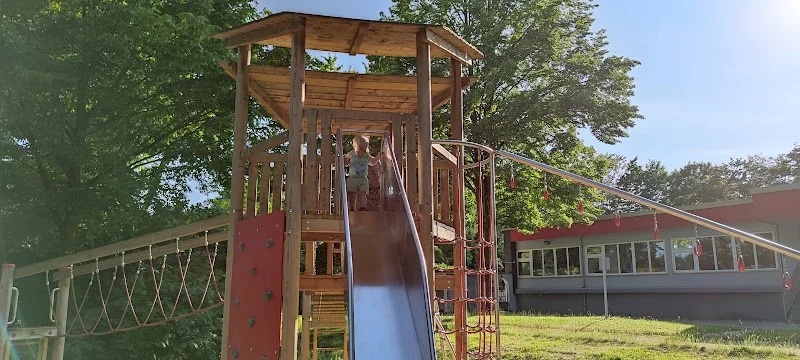
Those searching for photos of the Allotment Garden Association Scholven e.V. generally expect no glossy production but an honest first impression: How do paths, plots, entrances, and communal areas look? This is where the visual external effect of an allotment garden association is crucial. In the association overview of the city association, the entry is presented with an image tile, and map and industry portals also visually represent the location. This is very helpful for search intent because images and maps often form the first trust anchor in local search results before anyone reads the long description text. Therefore, those wanting to assess a facility orient themselves based on the combination of image, name, street, and district. ([kleingarten-gelsenkirchen.de](https://www.kleingarten-gelsenkirchen.de/vereinuebersicht))
In the context of photos, an allotment garden association is always also about atmosphere. An allotment garden is not just a place with plots but a green social space where tranquility, care, neighborhood, and personal contribution come together. This is what makes images so interesting: They not only show paths and plants but also the structure of the facility and the character of the association life. The Allotment Garden Association Scholven e.V. is listed in the city association with 94 plots, giving the visual impression a concrete scale. Seekers can therefore form a much better picture than any single photo could provide. The more the external effect interacts with hard facts like the number of plots and area, the more credible the appearance in local search appears. ([kleingarten-gelsenkirchen.de](https://www.kleingarten-gelsenkirchen.de/verein/37-kgv-schachtanlage-scholven-e-v-/45))
Especially exciting is the image through current events. The city of Gelsenkirchen invites on June 20 and 21, 2026, to the district festival North at the Allotment Garden Association Schachtanlage Scholven e.V., and such events generate the kind of lively images that seekers later associate with the place. Live music, family programs, food, drinks, and free participation turn an allotment garden into a public meeting point. This is significant for visual perception because the facility appears not only as a quiet garden place but also as a space for encounters. Therefore, those searching for photos often simultaneously seek evidence of liveliness, openness, and usability. This mix of a green retreat and event backdrop is an important part of local identity. ([gelsenkirchen.de](https://www.gelsenkirchen.de/de/_meta/aktuelles/artikel/71652-feiern-zwischen-gartenbeeten-und-grosser-buehne))
Reviews and Search Queries Related to the Association
Reviews for an allotment garden association are not as loud and numerous as those for a restaurant or an event hall, but they are still a strong trust factor. Especially because allotment gardens are often perceived as personal, neighborly, and rather tradition-bound, interested parties consciously read reviews for friendliness, orientation, and atmosphere. The metadata you provided indicates 4.3 stars from 72 reviews. This is a solid sign for a locally anchored facility because it shows that the association is perceived online and receives feedback. For SEO, this is important because search queries for reviews almost always have a practical goal: users want to know if a place appears well-kept, accessible, and friendly. A good landing page therefore answers not only the question about the score but also the question about the context. ([web2.cylex.de](https://web2.cylex.de/firma-home/kleingaertnerverein-scholven-e-v--1149974.html?utm_source=openai))
A review is truly helpful when it reveals something about the usability of a place beyond the mere impression. For an allotment garden association, this could include hints about the condition of the facility, the visibility of the address, or the friendliness in contact. The found directories show that the association is reachable online and has map and review functions. This means for seekers: They can read multiple sources side by side and compare their impression with the official association page. This combination of subjective feedback and objective contact data builds trust. Those searching for the keyword reviews usually do not want an abstract image campaign but a tangible, practical answer. ([kleingarten-gelsenkirchen.de](https://www.kleingarten-gelsenkirchen.de/verein/37-kgv-schachtanlage-scholven-e-v-/45))
Even with different spellings or house numbers, a calm look at the sources is sensible. The name may appear in directories as Allotment Garden Association Scholven e.V., while the city association lists the entry as 37 KGV Schachtanlage Scholven e. V. For reviews, this is not a problem but rather typical for local search results: different platforms reflect the same place in slightly varying forms. That is why one should not rely on a single portal but consider name, street, district, and contact together. Those reading reviews in this sense receive not only stars but a more reliable picture of how the association functions in everyday life and why it is important for the local community. ([kleingarten-gelsenkirchen.de](https://www.kleingarten-gelsenkirchen.de/verein/37-kgv-schachtanlage-scholven-e-v-/45))
Address, Contact, and Directions in Gelsenkirchen-Scholven
The most reliable contact basis is the official association page of the city association: 37 KGV Schachtanlage Scholven e. V., 45896 Gelsenkirchen, Mehringstrasse 21, Phone 0209-80088370 and Email kgv.schachtanlage-scholven@kleingarten-gelsenkirchen.de. Additionally, the city association states its main address at Hohenzollernstraße 280, 45888 Gelsenkirchen. This is particularly valuable for seekers because they receive not only a name but also a functioning contact person directly. Those visiting a facility, inquiring about membership, or planning an event need these reliable contact details. The official page is the best starting point for this because it clearly places the association within the federation and makes the formal structure visible. ([kleingarten-gelsenkirchen.de](https://www.kleingarten-gelsenkirchen.de/verein/37-kgv-schachtanlage-scholven-e-v-/45))
The public city information sets a second point: For the district festival North on June 20 and 21, 2026, the city of Gelsenkirchen names the Allotment Garden Association Schachtanlage Scholven e.V. at Mehringstraße 16. This discrepancy between 16 and 21 is not disturbing for the SEO text but a real example of why addresses for associations should always be cross-checked with current official communication. Depending on the purpose of the search, it may therefore be sensible to keep an eye on not only the association page but also the city information. For directions, this means: first check the name, then the street, then the date of the event. This minimizes errors and increases the chance of actually arriving at the right entrance. ([gelsenkirchen.de](https://www.gelsenkirchen.de/de/_meta/aktuelles/artikel/71652-feiern-zwischen-gartenbeeten-und-grosser-buehne))
It is also important for visitors that the association appears as part of a larger network. It does not stand alone but is integrated into the city association of allotment gardeners Gelsenkirchen e.V. This integration facilitates inquiries about events, contacts, and organizational issues. Therefore, those planning the way benefit from a small routine: first read the official address, then check the alternative public event address, then the current date, and finally choose the desired contact point. This diligence makes the difference between a general search result and a reliable visit plan. Especially for association facilities, clear orientation is often more important than any advertising message. ([kleingarten-gelsenkirchen.de](https://www.kleingarten-gelsenkirchen.de/verein/37-kgv-schachtanlage-scholven-e-v-/45))
94 Plots on 52,730 Square Meters: Area and Structure
The indication of 94 plots on 52,730 square meters is more than just a number. It describes the scale of a facility where every garden space is part of a growing community. With this area, one does not get the feeling of a small, hidden backyard facility but that of an independent green area with a clear structure, paths, and communal character. Such key data is valuable for seekers because it immediately makes the scale of the association understandable. Those interested in a garden or simply wanting to assess the place can do much more with such a number than with a vague formulation like large or well-kept. That is why the number of plots and area belong in every high-quality presentation. ([kleingarten-gelsenkirchen.de](https://www.kleingarten-gelsenkirchen.de/verein/37-kgv-schachtanlage-scholven-e-v-/45))
From an SEO perspective, this combination is also strong because it distinguishes the association from general association pages. Those searching for capacity, size, or association structure receive a concrete answer here. The official page also names the association with board and contact, showing that it is a formally organized allotment garden facility with clear responsibilities. The key data also help to read the facility as part of the urban green: it is large enough to have its own identity but small enough to allow for neighborhood and personal contacts. For many visitors, this balance between space and manageability is the actual appeal of an allotment garden association. ([kleingarten-gelsenkirchen.de](https://www.kleingarten-gelsenkirchen.de/verein/37-kgv-schachtanlage-scholven-e-v-/45))
The official association page also provides an important structural hint: Sabine Schmidt is named as chairperson, Kornelia Lawitsch as deputy chairperson, Raphael Rex as secretary, and Claudia Busch as treasurer. Such details are not just administrative data for the external effect but evidence of reliability and lived organization. An association with clearly named contacts appears more accessible, predictable, and transparent. For seekers who want to connect photos and reviews with hard facts, this is an important quality indicator. It shows that behind the facility stands not just a place but an organized volunteer and community model. ([kleingarten-gelsenkirchen.de](https://www.kleingarten-gelsenkirchen.de/verein/37-kgv-schachtanlage-scholven-e-v-/45))
Board, Organization, and Association Life
In the allotment garden association, everyday life does not arise by chance but from many small agreements: care, paths, community, events, inquiries, and communication with the city association. This is why the official contact page is so important. It makes clear that the association is embedded in a larger network and is therefore also formally well-structured. For members and interested parties, this means security because they know whom to contact. The available contact data is also a signal to seekers who are searching with the term reviews or photos: behind the place stands a responsible team, not just an anonymous area indication. ([kleingarten-gelsenkirchen.de](https://www.kleingarten-gelsenkirchen.de/verein/37-kgv-schachtanlage-scholven-e-v-/45))
The presence in the directories reinforces this impression. There, the association appears not only as a name but with location, map view, and in some cases also with a review function. This facilitates orientation because interested parties quickly recognize that it is a real existing, locatable association. Especially for local search queries, this is valuable because users often want to check within seconds whether the name and street are correct and whether the place lies within their search radius. For SEO, this is one of the reasons why the connection between the official association page and public industry portals works so well. It creates both technical findability and human trust. ([web2.cylex.de](https://web2.cylex.de/firma-home/kleingaertnerverein-scholven-e-v--1149974.html?utm_source=openai))
The official integration into the city association of allotment gardeners Gelsenkirchen e.V. and membership in the state association Westfalen and Lippe of allotment gardeners e.V. also show that the association is locally and regionally networked. This networking is an important part of the allotment garden culture in the Ruhr area because it supports standards, exchange, and the long-term securing of green spaces. For seekers, such a background of associations often has a subtly trust-building effect because it conveys stability. An association that is organized in a clear structure appears less random and significantly more sustainable. This is what makes the Allotment Garden Association Scholven e.V. an exciting search object for people looking not only for a garden but also for a functioning community. ([kleingarten-gelsenkirchen.de](https://www.kleingarten-gelsenkirchen.de/verein/37-kgv-schachtanlage-scholven-e-v-/45))
History of Allotment Gardening in Gelsenkirchen and Current Events
The history of allotment gardening in Gelsenkirchen dates back in the official history of the city association to the allotment and small lease land regulation of July 31, 1919. The association itself was founded in 1928 after the then districts and associations had reorganized. This background explains why allotment gardens in Gelsenkirchen are not seen as a marginal phenomenon but as an integral part of urban development. The historical texts of the city association clearly show that allotment gardens have grown as a response to social, economic, and urban changes. Therefore, when looking at the Allotment Garden Association Scholven e.V. today, one sees not just a single facility but a piece of urban history in modern form. ([kleingarten-gelsenkirchen.de](https://www.kleingarten-gelsenkirchen.de/historie))
Especially exciting is the development after World War II: The demand for allotment gardens rose sharply, and the city describes its facilities as green oases in the green belt that allow for relaxation and nature-related leisure. In this historical overview, the Schachtanlage Scholven is explicitly mentioned as one of the facilities that were newly built on replacement areas. This makes it clear that the current location did not arise by chance but is part of a longer history of land transformation, urban development, and voluntary association work. For seekers, this means: those searching for photos, reviews, and information about the address also gain insight into the history of a growing urban green space. ([kleingarten-gelsenkirchen.de](https://www.kleingarten-gelsenkirchen.de/historie))
This significance is currently evident in practice: On June 20 and 21, 2026, the city of Gelsenkirchen will host the district festival North at the facility. With live music, family programs, food and drinks, and free admission, the allotment garden association becomes a public meeting point. Such dates explain why search queries for photos, programs, reviews, and directions are so closely related. Visitors want to know not only where the place is but also how it feels on a real event day. This makes the facility visible not only as a quiet garden place but as a lively part of the city and its neighborhood. For an SEO page, this is an ideal proof that the association plays a role in everyday life and public space. ([gelsenkirchen.de](https://www.gelsenkirchen.de/de/_meta/aktuelles/artikel/71652-feiern-zwischen-gartenbeeten-und-grosser-buehne))
Sources:
- City Association of Allotment Gardeners Gelsenkirchen e.V. - 37 KGV Schachtanlage Scholven e. V.
- City of Gelsenkirchen - Celebrating between garden beds and a large stage
- City Association of Allotment Gardeners Gelsenkirchen e.V. - History of the City Association since 1928
- City Association of Allotment Gardeners Gelsenkirchen e.V. - Our Allotment Garden Associations in Gelsenkirchen
Mehr anzeigenWeniger anzeigen
Allotment Garden Association Scholven e.V. | Photos & Reviews
The Allotment Garden Association Scholven e.V. is a search term with a very clear local intent: Those who enter it usually want to see not just a name but a real picture of the place. This means photos, reviews, address, contact, and the first impression of a facility that is visibly anchored in Gelsenkirchen-Scholven. In the official association lists of the city association, the entry appears as 37 KGV Schachtanlage Scholven e. V.; industry and map directories often use the short form Allotment Garden Association Scholven e.V. and list the location in the district of Scholven. This search reality is important for SEO because it shows how people actually find and compare the association. Those searching for an allotment garden do not want an abstract association description but a reliable classification that combines location, size, and association character. ([kleingarten-gelsenkirchen.de](https://www.kleingarten-gelsenkirchen.de/verein/37-kgv-schachtanlage-scholven-e-v-/45))
The most important reliable key data can be quickly summarized: 94 plots on a total area of 52,730 square meters, an association location in Gelsenkirchen-Scholven, and the integration into the city association of allotment gardeners Gelsenkirchen e.V. The official city association page lists Mehringstrasse 21 and its own association email; the city of Gelsenkirchen, on the other hand, locates the district festival North 2026 at Mehringstraße 16. This slightly different address situation is not a contradiction but exactly the reason why seekers often look for photos, reviews, location, and directions: They want to be sure they are going to the right place. For a high-quality location page, it is therefore sensible to read the information not in isolation but in the context of current association communication. ([kleingarten-gelsenkirchen.de](https://www.kleingarten-gelsenkirchen.de/verein/37-kgv-schachtanlage-scholven-e-v-/45))
Photos and First Impression of the Allotment Garden Association Scholven e.V.
Those searching for photos of the Allotment Garden Association Scholven e.V. generally expect no glossy production but an honest first impression: How do paths, plots, entrances, and communal areas look? This is where the visual external effect of an allotment garden association is crucial. In the association overview of the city association, the entry is presented with an image tile, and map and industry portals also visually represent the location. This is very helpful for search intent because images and maps often form the first trust anchor in local search results before anyone reads the long description text. Therefore, those wanting to assess a facility orient themselves based on the combination of image, name, street, and district. ([kleingarten-gelsenkirchen.de](https://www.kleingarten-gelsenkirchen.de/vereinuebersicht))
In the context of photos, an allotment garden association is always also about atmosphere. An allotment garden is not just a place with plots but a green social space where tranquility, care, neighborhood, and personal contribution come together. This is what makes images so interesting: They not only show paths and plants but also the structure of the facility and the character of the association life. The Allotment Garden Association Scholven e.V. is listed in the city association with 94 plots, giving the visual impression a concrete scale. Seekers can therefore form a much better picture than any single photo could provide. The more the external effect interacts with hard facts like the number of plots and area, the more credible the appearance in local search appears. ([kleingarten-gelsenkirchen.de](https://www.kleingarten-gelsenkirchen.de/verein/37-kgv-schachtanlage-scholven-e-v-/45))
Especially exciting is the image through current events. The city of Gelsenkirchen invites on June 20 and 21, 2026, to the district festival North at the Allotment Garden Association Schachtanlage Scholven e.V., and such events generate the kind of lively images that seekers later associate with the place. Live music, family programs, food, drinks, and free participation turn an allotment garden into a public meeting point. This is significant for visual perception because the facility appears not only as a quiet garden place but also as a space for encounters. Therefore, those searching for photos often simultaneously seek evidence of liveliness, openness, and usability. This mix of a green retreat and event backdrop is an important part of local identity. ([gelsenkirchen.de](https://www.gelsenkirchen.de/de/_meta/aktuelles/artikel/71652-feiern-zwischen-gartenbeeten-und-grosser-buehne))
Reviews and Search Queries Related to the Association
Reviews for an allotment garden association are not as loud and numerous as those for a restaurant or an event hall, but they are still a strong trust factor. Especially because allotment gardens are often perceived as personal, neighborly, and rather tradition-bound, interested parties consciously read reviews for friendliness, orientation, and atmosphere. The metadata you provided indicates 4.3 stars from 72 reviews. This is a solid sign for a locally anchored facility because it shows that the association is perceived online and receives feedback. For SEO, this is important because search queries for reviews almost always have a practical goal: users want to know if a place appears well-kept, accessible, and friendly. A good landing page therefore answers not only the question about the score but also the question about the context. ([web2.cylex.de](https://web2.cylex.de/firma-home/kleingaertnerverein-scholven-e-v--1149974.html?utm_source=openai))
A review is truly helpful when it reveals something about the usability of a place beyond the mere impression. For an allotment garden association, this could include hints about the condition of the facility, the visibility of the address, or the friendliness in contact. The found directories show that the association is reachable online and has map and review functions. This means for seekers: They can read multiple sources side by side and compare their impression with the official association page. This combination of subjective feedback and objective contact data builds trust. Those searching for the keyword reviews usually do not want an abstract image campaign but a tangible, practical answer. ([kleingarten-gelsenkirchen.de](https://www.kleingarten-gelsenkirchen.de/verein/37-kgv-schachtanlage-scholven-e-v-/45))
Even with different spellings or house numbers, a calm look at the sources is sensible. The name may appear in directories as Allotment Garden Association Scholven e.V., while the city association lists the entry as 37 KGV Schachtanlage Scholven e. V. For reviews, this is not a problem but rather typical for local search results: different platforms reflect the same place in slightly varying forms. That is why one should not rely on a single portal but consider name, street, district, and contact together. Those reading reviews in this sense receive not only stars but a more reliable picture of how the association functions in everyday life and why it is important for the local community. ([kleingarten-gelsenkirchen.de](https://www.kleingarten-gelsenkirchen.de/verein/37-kgv-schachtanlage-scholven-e-v-/45))
Address, Contact, and Directions in Gelsenkirchen-Scholven
The most reliable contact basis is the official association page of the city association: 37 KGV Schachtanlage Scholven e. V., 45896 Gelsenkirchen, Mehringstrasse 21, Phone 0209-80088370 and Email kgv.schachtanlage-scholven@kleingarten-gelsenkirchen.de. Additionally, the city association states its main address at Hohenzollernstraße 280, 45888 Gelsenkirchen. This is particularly valuable for seekers because they receive not only a name but also a functioning contact person directly. Those visiting a facility, inquiring about membership, or planning an event need these reliable contact details. The official page is the best starting point for this because it clearly places the association within the federation and makes the formal structure visible. ([kleingarten-gelsenkirchen.de](https://www.kleingarten-gelsenkirchen.de/verein/37-kgv-schachtanlage-scholven-e-v-/45))
The public city information sets a second point: For the district festival North on June 20 and 21, 2026, the city of Gelsenkirchen names the Allotment Garden Association Schachtanlage Scholven e.V. at Mehringstraße 16. This discrepancy between 16 and 21 is not disturbing for the SEO text but a real example of why addresses for associations should always be cross-checked with current official communication. Depending on the purpose of the search, it may therefore be sensible to keep an eye on not only the association page but also the city information. For directions, this means: first check the name, then the street, then the date of the event. This minimizes errors and increases the chance of actually arriving at the right entrance. ([gelsenkirchen.de](https://www.gelsenkirchen.de/de/_meta/aktuelles/artikel/71652-feiern-zwischen-gartenbeeten-und-grosser-buehne))
It is also important for visitors that the association appears as part of a larger network. It does not stand alone but is integrated into the city association of allotment gardeners Gelsenkirchen e.V. This integration facilitates inquiries about events, contacts, and organizational issues. Therefore, those planning the way benefit from a small routine: first read the official address, then check the alternative public event address, then the current date, and finally choose the desired contact point. This diligence makes the difference between a general search result and a reliable visit plan. Especially for association facilities, clear orientation is often more important than any advertising message. ([kleingarten-gelsenkirchen.de](https://www.kleingarten-gelsenkirchen.de/verein/37-kgv-schachtanlage-scholven-e-v-/45))
94 Plots on 52,730 Square Meters: Area and Structure
The indication of 94 plots on 52,730 square meters is more than just a number. It describes the scale of a facility where every garden space is part of a growing community. With this area, one does not get the feeling of a small, hidden backyard facility but that of an independent green area with a clear structure, paths, and communal character. Such key data is valuable for seekers because it immediately makes the scale of the association understandable. Those interested in a garden or simply wanting to assess the place can do much more with such a number than with a vague formulation like large or well-kept. That is why the number of plots and area belong in every high-quality presentation. ([kleingarten-gelsenkirchen.de](https://www.kleingarten-gelsenkirchen.de/verein/37-kgv-schachtanlage-scholven-e-v-/45))
From an SEO perspective, this combination is also strong because it distinguishes the association from general association pages. Those searching for capacity, size, or association structure receive a concrete answer here. The official page also names the association with board and contact, showing that it is a formally organized allotment garden facility with clear responsibilities. The key data also help to read the facility as part of the urban green: it is large enough to have its own identity but small enough to allow for neighborhood and personal contacts. For many visitors, this balance between space and manageability is the actual appeal of an allotment garden association. ([kleingarten-gelsenkirchen.de](https://www.kleingarten-gelsenkirchen.de/verein/37-kgv-schachtanlage-scholven-e-v-/45))
The official association page also provides an important structural hint: Sabine Schmidt is named as chairperson, Kornelia Lawitsch as deputy chairperson, Raphael Rex as secretary, and Claudia Busch as treasurer. Such details are not just administrative data for the external effect but evidence of reliability and lived organization. An association with clearly named contacts appears more accessible, predictable, and transparent. For seekers who want to connect photos and reviews with hard facts, this is an important quality indicator. It shows that behind the facility stands not just a place but an organized volunteer and community model. ([kleingarten-gelsenkirchen.de](https://www.kleingarten-gelsenkirchen.de/verein/37-kgv-schachtanlage-scholven-e-v-/45))
Board, Organization, and Association Life
In the allotment garden association, everyday life does not arise by chance but from many small agreements: care, paths, community, events, inquiries, and communication with the city association. This is why the official contact page is so important. It makes clear that the association is embedded in a larger network and is therefore also formally well-structured. For members and interested parties, this means security because they know whom to contact. The available contact data is also a signal to seekers who are searching with the term reviews or photos: behind the place stands a responsible team, not just an anonymous area indication. ([kleingarten-gelsenkirchen.de](https://www.kleingarten-gelsenkirchen.de/verein/37-kgv-schachtanlage-scholven-e-v-/45))
The presence in the directories reinforces this impression. There, the association appears not only as a name but with location, map view, and in some cases also with a review function. This facilitates orientation because interested parties quickly recognize that it is a real existing, locatable association. Especially for local search queries, this is valuable because users often want to check within seconds whether the name and street are correct and whether the place lies within their search radius. For SEO, this is one of the reasons why the connection between the official association page and public industry portals works so well. It creates both technical findability and human trust. ([web2.cylex.de](https://web2.cylex.de/firma-home/kleingaertnerverein-scholven-e-v--1149974.html?utm_source=openai))
The official integration into the city association of allotment gardeners Gelsenkirchen e.V. and membership in the state association Westfalen and Lippe of allotment gardeners e.V. also show that the association is locally and regionally networked. This networking is an important part of the allotment garden culture in the Ruhr area because it supports standards, exchange, and the long-term securing of green spaces. For seekers, such a background of associations often has a subtly trust-building effect because it conveys stability. An association that is organized in a clear structure appears less random and significantly more sustainable. This is what makes the Allotment Garden Association Scholven e.V. an exciting search object for people looking not only for a garden but also for a functioning community. ([kleingarten-gelsenkirchen.de](https://www.kleingarten-gelsenkirchen.de/verein/37-kgv-schachtanlage-scholven-e-v-/45))
History of Allotment Gardening in Gelsenkirchen and Current Events
The history of allotment gardening in Gelsenkirchen dates back in the official history of the city association to the allotment and small lease land regulation of July 31, 1919. The association itself was founded in 1928 after the then districts and associations had reorganized. This background explains why allotment gardens in Gelsenkirchen are not seen as a marginal phenomenon but as an integral part of urban development. The historical texts of the city association clearly show that allotment gardens have grown as a response to social, economic, and urban changes. Therefore, when looking at the Allotment Garden Association Scholven e.V. today, one sees not just a single facility but a piece of urban history in modern form. ([kleingarten-gelsenkirchen.de](https://www.kleingarten-gelsenkirchen.de/historie))
Especially exciting is the development after World War II: The demand for allotment gardens rose sharply, and the city describes its facilities as green oases in the green belt that allow for relaxation and nature-related leisure. In this historical overview, the Schachtanlage Scholven is explicitly mentioned as one of the facilities that were newly built on replacement areas. This makes it clear that the current location did not arise by chance but is part of a longer history of land transformation, urban development, and voluntary association work. For seekers, this means: those searching for photos, reviews, and information about the address also gain insight into the history of a growing urban green space. ([kleingarten-gelsenkirchen.de](https://www.kleingarten-gelsenkirchen.de/historie))
This significance is currently evident in practice: On June 20 and 21, 2026, the city of Gelsenkirchen will host the district festival North at the facility. With live music, family programs, food and drinks, and free admission, the allotment garden association becomes a public meeting point. Such dates explain why search queries for photos, programs, reviews, and directions are so closely related. Visitors want to know not only where the place is but also how it feels on a real event day. This makes the facility visible not only as a quiet garden place but as a lively part of the city and its neighborhood. For an SEO page, this is an ideal proof that the association plays a role in everyday life and public space. ([gelsenkirchen.de](https://www.gelsenkirchen.de/de/_meta/aktuelles/artikel/71652-feiern-zwischen-gartenbeeten-und-grosser-buehne))
Sources:
- City Association of Allotment Gardeners Gelsenkirchen e.V. - 37 KGV Schachtanlage Scholven e. V.
- City of Gelsenkirchen - Celebrating between garden beds and a large stage
- City Association of Allotment Gardeners Gelsenkirchen e.V. - History of the City Association since 1928
- City Association of Allotment Gardeners Gelsenkirchen e.V. - Our Allotment Garden Associations in Gelsenkirchen
Allotment Garden Association Scholven e.V. | Photos & Reviews
The Allotment Garden Association Scholven e.V. is a search term with a very clear local intent: Those who enter it usually want to see not just a name but a real picture of the place. This means photos, reviews, address, contact, and the first impression of a facility that is visibly anchored in Gelsenkirchen-Scholven. In the official association lists of the city association, the entry appears as 37 KGV Schachtanlage Scholven e. V.; industry and map directories often use the short form Allotment Garden Association Scholven e.V. and list the location in the district of Scholven. This search reality is important for SEO because it shows how people actually find and compare the association. Those searching for an allotment garden do not want an abstract association description but a reliable classification that combines location, size, and association character. ([kleingarten-gelsenkirchen.de](https://www.kleingarten-gelsenkirchen.de/verein/37-kgv-schachtanlage-scholven-e-v-/45))
The most important reliable key data can be quickly summarized: 94 plots on a total area of 52,730 square meters, an association location in Gelsenkirchen-Scholven, and the integration into the city association of allotment gardeners Gelsenkirchen e.V. The official city association page lists Mehringstrasse 21 and its own association email; the city of Gelsenkirchen, on the other hand, locates the district festival North 2026 at Mehringstraße 16. This slightly different address situation is not a contradiction but exactly the reason why seekers often look for photos, reviews, location, and directions: They want to be sure they are going to the right place. For a high-quality location page, it is therefore sensible to read the information not in isolation but in the context of current association communication. ([kleingarten-gelsenkirchen.de](https://www.kleingarten-gelsenkirchen.de/verein/37-kgv-schachtanlage-scholven-e-v-/45))
Photos and First Impression of the Allotment Garden Association Scholven e.V.
Those searching for photos of the Allotment Garden Association Scholven e.V. generally expect no glossy production but an honest first impression: How do paths, plots, entrances, and communal areas look? This is where the visual external effect of an allotment garden association is crucial. In the association overview of the city association, the entry is presented with an image tile, and map and industry portals also visually represent the location. This is very helpful for search intent because images and maps often form the first trust anchor in local search results before anyone reads the long description text. Therefore, those wanting to assess a facility orient themselves based on the combination of image, name, street, and district. ([kleingarten-gelsenkirchen.de](https://www.kleingarten-gelsenkirchen.de/vereinuebersicht))
In the context of photos, an allotment garden association is always also about atmosphere. An allotment garden is not just a place with plots but a green social space where tranquility, care, neighborhood, and personal contribution come together. This is what makes images so interesting: They not only show paths and plants but also the structure of the facility and the character of the association life. The Allotment Garden Association Scholven e.V. is listed in the city association with 94 plots, giving the visual impression a concrete scale. Seekers can therefore form a much better picture than any single photo could provide. The more the external effect interacts with hard facts like the number of plots and area, the more credible the appearance in local search appears. ([kleingarten-gelsenkirchen.de](https://www.kleingarten-gelsenkirchen.de/verein/37-kgv-schachtanlage-scholven-e-v-/45))
Especially exciting is the image through current events. The city of Gelsenkirchen invites on June 20 and 21, 2026, to the district festival North at the Allotment Garden Association Schachtanlage Scholven e.V., and such events generate the kind of lively images that seekers later associate with the place. Live music, family programs, food, drinks, and free participation turn an allotment garden into a public meeting point. This is significant for visual perception because the facility appears not only as a quiet garden place but also as a space for encounters. Therefore, those searching for photos often simultaneously seek evidence of liveliness, openness, and usability. This mix of a green retreat and event backdrop is an important part of local identity. ([gelsenkirchen.de](https://www.gelsenkirchen.de/de/_meta/aktuelles/artikel/71652-feiern-zwischen-gartenbeeten-und-grosser-buehne))
Reviews and Search Queries Related to the Association
Reviews for an allotment garden association are not as loud and numerous as those for a restaurant or an event hall, but they are still a strong trust factor. Especially because allotment gardens are often perceived as personal, neighborly, and rather tradition-bound, interested parties consciously read reviews for friendliness, orientation, and atmosphere. The metadata you provided indicates 4.3 stars from 72 reviews. This is a solid sign for a locally anchored facility because it shows that the association is perceived online and receives feedback. For SEO, this is important because search queries for reviews almost always have a practical goal: users want to know if a place appears well-kept, accessible, and friendly. A good landing page therefore answers not only the question about the score but also the question about the context. ([web2.cylex.de](https://web2.cylex.de/firma-home/kleingaertnerverein-scholven-e-v--1149974.html?utm_source=openai))
A review is truly helpful when it reveals something about the usability of a place beyond the mere impression. For an allotment garden association, this could include hints about the condition of the facility, the visibility of the address, or the friendliness in contact. The found directories show that the association is reachable online and has map and review functions. This means for seekers: They can read multiple sources side by side and compare their impression with the official association page. This combination of subjective feedback and objective contact data builds trust. Those searching for the keyword reviews usually do not want an abstract image campaign but a tangible, practical answer. ([kleingarten-gelsenkirchen.de](https://www.kleingarten-gelsenkirchen.de/verein/37-kgv-schachtanlage-scholven-e-v-/45))
Even with different spellings or house numbers, a calm look at the sources is sensible. The name may appear in directories as Allotment Garden Association Scholven e.V., while the city association lists the entry as 37 KGV Schachtanlage Scholven e. V. For reviews, this is not a problem but rather typical for local search results: different platforms reflect the same place in slightly varying forms. That is why one should not rely on a single portal but consider name, street, district, and contact together. Those reading reviews in this sense receive not only stars but a more reliable picture of how the association functions in everyday life and why it is important for the local community. ([kleingarten-gelsenkirchen.de](https://www.kleingarten-gelsenkirchen.de/verein/37-kgv-schachtanlage-scholven-e-v-/45))
Address, Contact, and Directions in Gelsenkirchen-Scholven
The most reliable contact basis is the official association page of the city association: 37 KGV Schachtanlage Scholven e. V., 45896 Gelsenkirchen, Mehringstrasse 21, Phone 0209-80088370 and Email kgv.schachtanlage-scholven@kleingarten-gelsenkirchen.de. Additionally, the city association states its main address at Hohenzollernstraße 280, 45888 Gelsenkirchen. This is particularly valuable for seekers because they receive not only a name but also a functioning contact person directly. Those visiting a facility, inquiring about membership, or planning an event need these reliable contact details. The official page is the best starting point for this because it clearly places the association within the federation and makes the formal structure visible. ([kleingarten-gelsenkirchen.de](https://www.kleingarten-gelsenkirchen.de/verein/37-kgv-schachtanlage-scholven-e-v-/45))
The public city information sets a second point: For the district festival North on June 20 and 21, 2026, the city of Gelsenkirchen names the Allotment Garden Association Schachtanlage Scholven e.V. at Mehringstraße 16. This discrepancy between 16 and 21 is not disturbing for the SEO text but a real example of why addresses for associations should always be cross-checked with current official communication. Depending on the purpose of the search, it may therefore be sensible to keep an eye on not only the association page but also the city information. For directions, this means: first check the name, then the street, then the date of the event. This minimizes errors and increases the chance of actually arriving at the right entrance. ([gelsenkirchen.de](https://www.gelsenkirchen.de/de/_meta/aktuelles/artikel/71652-feiern-zwischen-gartenbeeten-und-grosser-buehne))
It is also important for visitors that the association appears as part of a larger network. It does not stand alone but is integrated into the city association of allotment gardeners Gelsenkirchen e.V. This integration facilitates inquiries about events, contacts, and organizational issues. Therefore, those planning the way benefit from a small routine: first read the official address, then check the alternative public event address, then the current date, and finally choose the desired contact point. This diligence makes the difference between a general search result and a reliable visit plan. Especially for association facilities, clear orientation is often more important than any advertising message. ([kleingarten-gelsenkirchen.de](https://www.kleingarten-gelsenkirchen.de/verein/37-kgv-schachtanlage-scholven-e-v-/45))
94 Plots on 52,730 Square Meters: Area and Structure
The indication of 94 plots on 52,730 square meters is more than just a number. It describes the scale of a facility where every garden space is part of a growing community. With this area, one does not get the feeling of a small, hidden backyard facility but that of an independent green area with a clear structure, paths, and communal character. Such key data is valuable for seekers because it immediately makes the scale of the association understandable. Those interested in a garden or simply wanting to assess the place can do much more with such a number than with a vague formulation like large or well-kept. That is why the number of plots and area belong in every high-quality presentation. ([kleingarten-gelsenkirchen.de](https://www.kleingarten-gelsenkirchen.de/verein/37-kgv-schachtanlage-scholven-e-v-/45))
From an SEO perspective, this combination is also strong because it distinguishes the association from general association pages. Those searching for capacity, size, or association structure receive a concrete answer here. The official page also names the association with board and contact, showing that it is a formally organized allotment garden facility with clear responsibilities. The key data also help to read the facility as part of the urban green: it is large enough to have its own identity but small enough to allow for neighborhood and personal contacts. For many visitors, this balance between space and manageability is the actual appeal of an allotment garden association. ([kleingarten-gelsenkirchen.de](https://www.kleingarten-gelsenkirchen.de/verein/37-kgv-schachtanlage-scholven-e-v-/45))
The official association page also provides an important structural hint: Sabine Schmidt is named as chairperson, Kornelia Lawitsch as deputy chairperson, Raphael Rex as secretary, and Claudia Busch as treasurer. Such details are not just administrative data for the external effect but evidence of reliability and lived organization. An association with clearly named contacts appears more accessible, predictable, and transparent. For seekers who want to connect photos and reviews with hard facts, this is an important quality indicator. It shows that behind the facility stands not just a place but an organized volunteer and community model. ([kleingarten-gelsenkirchen.de](https://www.kleingarten-gelsenkirchen.de/verein/37-kgv-schachtanlage-scholven-e-v-/45))
Board, Organization, and Association Life
In the allotment garden association, everyday life does not arise by chance but from many small agreements: care, paths, community, events, inquiries, and communication with the city association. This is why the official contact page is so important. It makes clear that the association is embedded in a larger network and is therefore also formally well-structured. For members and interested parties, this means security because they know whom to contact. The available contact data is also a signal to seekers who are searching with the term reviews or photos: behind the place stands a responsible team, not just an anonymous area indication. ([kleingarten-gelsenkirchen.de](https://www.kleingarten-gelsenkirchen.de/verein/37-kgv-schachtanlage-scholven-e-v-/45))
The presence in the directories reinforces this impression. There, the association appears not only as a name but with location, map view, and in some cases also with a review function. This facilitates orientation because interested parties quickly recognize that it is a real existing, locatable association. Especially for local search queries, this is valuable because users often want to check within seconds whether the name and street are correct and whether the place lies within their search radius. For SEO, this is one of the reasons why the connection between the official association page and public industry portals works so well. It creates both technical findability and human trust. ([web2.cylex.de](https://web2.cylex.de/firma-home/kleingaertnerverein-scholven-e-v--1149974.html?utm_source=openai))
The official integration into the city association of allotment gardeners Gelsenkirchen e.V. and membership in the state association Westfalen and Lippe of allotment gardeners e.V. also show that the association is locally and regionally networked. This networking is an important part of the allotment garden culture in the Ruhr area because it supports standards, exchange, and the long-term securing of green spaces. For seekers, such a background of associations often has a subtly trust-building effect because it conveys stability. An association that is organized in a clear structure appears less random and significantly more sustainable. This is what makes the Allotment Garden Association Scholven e.V. an exciting search object for people looking not only for a garden but also for a functioning community. ([kleingarten-gelsenkirchen.de](https://www.kleingarten-gelsenkirchen.de/verein/37-kgv-schachtanlage-scholven-e-v-/45))
History of Allotment Gardening in Gelsenkirchen and Current Events
The history of allotment gardening in Gelsenkirchen dates back in the official history of the city association to the allotment and small lease land regulation of July 31, 1919. The association itself was founded in 1928 after the then districts and associations had reorganized. This background explains why allotment gardens in Gelsenkirchen are not seen as a marginal phenomenon but as an integral part of urban development. The historical texts of the city association clearly show that allotment gardens have grown as a response to social, economic, and urban changes. Therefore, when looking at the Allotment Garden Association Scholven e.V. today, one sees not just a single facility but a piece of urban history in modern form. ([kleingarten-gelsenkirchen.de](https://www.kleingarten-gelsenkirchen.de/historie))
Especially exciting is the development after World War II: The demand for allotment gardens rose sharply, and the city describes its facilities as green oases in the green belt that allow for relaxation and nature-related leisure. In this historical overview, the Schachtanlage Scholven is explicitly mentioned as one of the facilities that were newly built on replacement areas. This makes it clear that the current location did not arise by chance but is part of a longer history of land transformation, urban development, and voluntary association work. For seekers, this means: those searching for photos, reviews, and information about the address also gain insight into the history of a growing urban green space. ([kleingarten-gelsenkirchen.de](https://www.kleingarten-gelsenkirchen.de/historie))
This significance is currently evident in practice: On June 20 and 21, 2026, the city of Gelsenkirchen will host the district festival North at the facility. With live music, family programs, food and drinks, and free admission, the allotment garden association becomes a public meeting point. Such dates explain why search queries for photos, programs, reviews, and directions are so closely related. Visitors want to know not only where the place is but also how it feels on a real event day. This makes the facility visible not only as a quiet garden place but as a lively part of the city and its neighborhood. For an SEO page, this is an ideal proof that the association plays a role in everyday life and public space. ([gelsenkirchen.de](https://www.gelsenkirchen.de/de/_meta/aktuelles/artikel/71652-feiern-zwischen-gartenbeeten-und-grosser-buehne))
Sources:
- City Association of Allotment Gardeners Gelsenkirchen e.V. - 37 KGV Schachtanlage Scholven e. V.
- City of Gelsenkirchen - Celebrating between garden beds and a large stage
- City Association of Allotment Gardeners Gelsenkirchen e.V. - History of the City Association since 1928
- City Association of Allotment Gardeners Gelsenkirchen e.V. - Our Allotment Garden Associations in Gelsenkirchen
Upcoming Events
No events found
Frequently Asked Questions
Reviews
Gerd Klein
28. February 2021
One of the most beautiful community garden sites in the northern Ruhr area. Full of friendly people. Very high willingness to engage in conversation from the open-minded club members. A visit is always a special experience.
MrCaptainBarbossa
8. March 2023
The community garden is nice and well-kept. However, the board is incompetent. There are hardly any ways to reach someone. Emails are either not answered at all or only after weeks.
K. Y.
8. October 2021
Great clubhouse but a very unfriendly club manager. The guy was quite disorganized, didn’t want to show me around the premises, didn’t explain the contract terms, just wanted me to sign the contract. I won’t even start on the derogatory comments. I can't rule out that such treatment of a potential tenant was related to my background. Unfortunately, I didn’t rent the space because, apart from price and performance, the contact also needs to be right.
ATE Berg
22. December 2018
Very friendly and nice area, you can celebrate great parties here. The facility is very well maintained. You can also go for a lovely walk. Gathering suggestions.
Ina Hüning
3. July 2019
Very beautiful facility!