
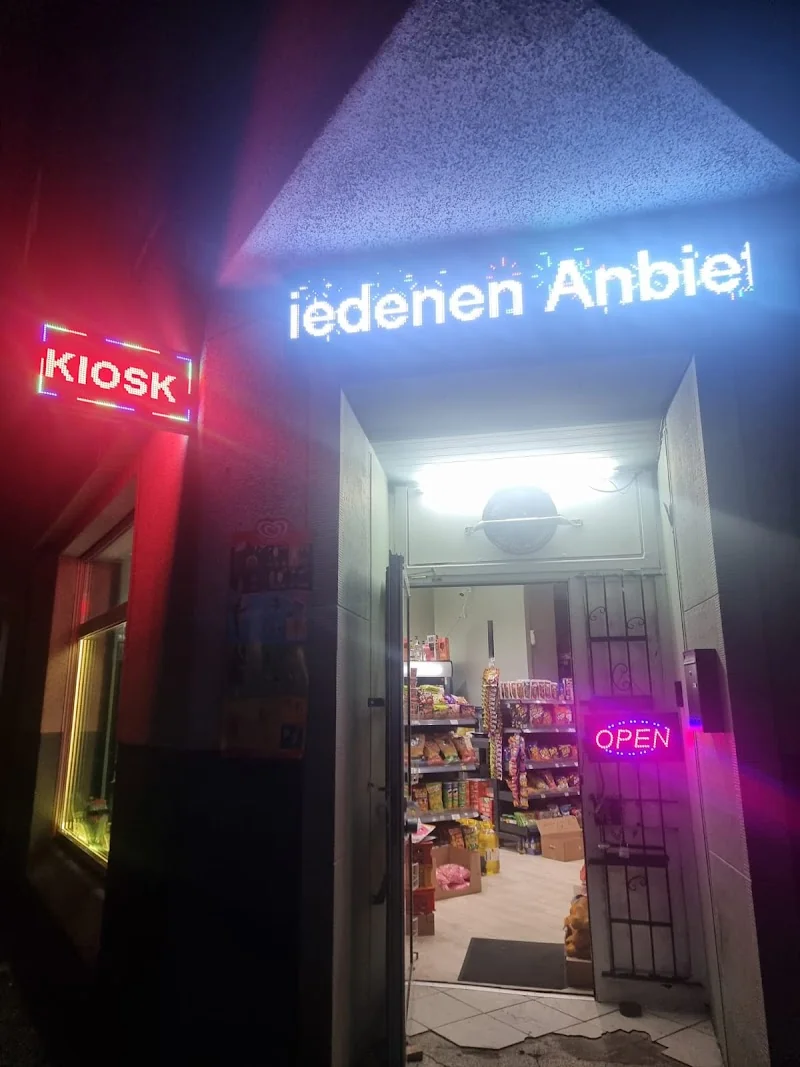
Liboriusstraße 109, Gelsenkirchen
Liboriusstraße 109, 45881 Gelsenkirchen, Germany
Kiosk Schalke | Schalker Meile & Arena Access
The Kiosk Schalke at Liboriusstraße 109 in 45881 Gelsenkirchen is located in the heart of the traditional district of Schalke-Nord – where football history, mining culture, and vibrant everyday culture have come together for decades. For many, the kiosk is a quick stop on the way to the day, while for others, it is the meeting point before the game or a quick shopping trip in the evening. Especially on game and event days, the location becomes a plus: From Schalker Meile to the nearby tram line 302 and the VELTINS-Arena, it is just a short walk. In the immediate vicinity, there are notable landmarks such as Schalker Markt, Grillostraße, or Engelsburg; towards the main train station, the public transport network branches out with frequent service. This page consolidates reliable information on access and parking, outlines the framework of kiosk culture in the neighborhood, provides specific examples, and offers practical tips for fans and visitors – compact, fact-based, and with sources.
Schalker Meile: Kiosk Culture, Path, and History between Caubstraße and Berliner Brücke
When departing from Kiosk Schalke, you quickly find yourself in the midst of a chapter of Ruhr area and club history: the Schalker Meile. The term refers to the traditional section of Kurt-Schumacher-Straße in Schalke-Nord, which has been regarded for decades as the route for fans heading to the stadium and as a showcase for the district. The Meile of Tradition was officially inaugurated in November 2011; since then, initiatives and the city have commemorated the contributions and personalities of FC Schalke 04 – including the planned and partially implemented Walk of Legends, which brings the faces and names of the icons into the streetscape. In the evening, the light installation Blue Ribbon catches the eye along the axis: a continuous light and color motif along the street, giving the historic urban space a new, visible connection and making the Meile widely recognizable. Notable places line the route: The Engelsburg – as a representative building with a clear reference to the heyday of heavy industry – marks a corner; nearby, the historic Glückauf-Kampfbahn recalls the former home of the club. The Schalker Markt, in turn, symbolizes the urban life of the district, where small shops, kiosks, and drinking halls have always met everyday needs in its side streets. Today, the Meile is also intended as an invitation: A project collaboration between the Schalker Markt Foundation, the city, and partners aims to bring fans back to the places where the myth was born – with urban projects, cultural-historical stations, and actions that make history visible. For visitors, this means: The Meile can be easily explored on foot around Liboriusstraße, while the nearby tram ensures a quick connection in both directions. That kiosks play a key role in this is part of the DNA of the Ruhr area: They provide short distances, cold drinks, conversations about tactics or neighborhood – and thus exactly the pulse that one feels on game days as well as on an ordinary weekday.
Access by Public Transport: Line 302 and the Stops Grillostraße, Schalker Meile, and Ernst-Kuzorra-Platz
The simplest connection in this part of the city is provided by tram line 302. It connects Gelsenkirchen main station, Schalker Meile, VELTINS-Arena, and Buer with frequent service and continues further towards Wattenscheid and Bochum. For the journey between Kiosk Schalke and the arena, the short walk to the stops Grillostraße or Schalker Meile is recommended, from where the 302 goes directly to the VELTINS-Arena stop. Official notices from the arena operator explicitly recommend this line as the way to arrive and depart for events; the travel time between the main station and the arena is indicated to be around 15 minutes. Along the axis of Kurt-Schumacher-Straße, there are also other useful points such as Ernst-Kuzorra-Platz. Depending on the time of day and event, there are additional bus connections, such as lines 380 or 381 in the vicinity of Sport-Paradies or Willy-Brandt-Allee, which provide short walks to the arena. For transfers to the city center and connections to regional transport, the Gelsenkirchen Hbf subway station serves with transitions to the 302. Ticket purchases are possible in the Bogestra network at stop machines, in many vehicles, and via apps; current schedules and any construction notices are published on city websites and by the transport company. A practical tip for the return journey after events: Depending on the crowd, it is worthwhile to be flexible with timing at the arena or possibly to walk to a stop earlier. Those who want to enjoy the atmosphere of the Meile should stay in the flow of fans towards Grillostraße or Berliner Brücke; those in a hurry should pay attention to the train arrangement at the stop and spread out as much as possible across the platform, as the 302 is in high demand after the final whistle. Either way: From Liboriusstraße, the rail network is within reach – making spontaneous routes through the district easy to plan.
Parking in the District and at the VELTINS-Arena: Options, Routes, and Notes
Those arriving by car have two decision points: everyday life in the neighborhood or the big event at the arena. For everyday visits around Kiosk Schalke, you can use the designated city parking zones in Schalke-Nord. Several provider apps (including PayByPhone, PARCO) cover Gelsenkirchen and show where the digital ticket is valid, which times are subject to fees, and how long you may park. Pay attention to posted regulations in the side streets of Liboriusstraße and keep entrances clear – the typical courtyard and back courtyard structure in the district leads to frequent entries and exits. For major events at the VELTINS-Arena, the operator usually recommends arriving via the 302 and using designated parking areas at the stadium. According to media reports, up to 14,000 parking spaces are available around the area; the arena additionally informs that access is via A2 (exit Gelsenkirchen-Buer) and A42 (exit Gelsenkirchen-Schalke) and that parking processes are partially organized cashless. Bus parking spaces, taxi stands, and accessible parking spaces are marked around the stadium; for individual concerts and games, the arena publishes detailed plans with current closures and detours. Especially for sold-out events, strong crowds are to be expected, which is why the combination of P+R, tram 302, and a short walk remains the least stressful option. If you still park in the neighborhood, you can, if flexible with time, leave the vehicle in a quieter side street and later take the 302 or walk back. For marathons or city festivals, the city publishes independent travel recommendations; these often involve parking at the arena and continuing with the 302 towards the city center/Musiktheater (MiR). Note: For spontaneous stops at the kiosk, the neighborhood spaces are sufficient; for major events, arena logistics are the first choice – always keeping an eye on the current notices from the operator and the transport company.
Kiosk Overview around Schalke: Examples, Addresses, and Orientation on the Meile
The image of the Schalker Meile is still shaped by kiosks and small shops today. While there is no central official complete list of all drinking halls, programs like the Day of Drinking Halls, local reports, and industry directories provide good pointers. One example is the Schalker Kiosk & Bäckerei 28, which participated as a classic drinking hall with baked goods on the city-wide action day, thus making kiosk culture in the district visible. Along the Meile and in its side streets, there are further points of contact: At Grillostraße 43, there is a kiosk/parcel shop that appears in various directories as a package shop; the well-known Schalker Apotheke (house number 51) also serves as a reference in the same street, clarifying the address situation on the Meile. Not far from Schalker Markt, the Lotto-Kiosk Deimann at Gewerkenstraße 3 is an example of the popular neighborhood supply between the market and the Meile on game days. Outsiders should note that addresses and services (parcel services, baked goods, extended opening hours) may change; the linked profiles and event pages help with current verification. For navigation, the stop band of the 302 is useful: Along the Meile, the stops Grillostraße, Schalker Meile, Ernst-Kuzorra-Platz, and Berliner Brücke are closely spaced – allowing for more flexible route planning, such as with a drinking hall stop before switching. Those seeking the tranquility of the district away from the main axis will find more small shops in the side streets of Liboriusstraße; attentive walking is worthwhile here, as many kiosks are genuine neighborhood spots. Out of respect for residents, it is advisable to be quiet in the narrow historic streets, keep entrances clear, and dispose of waste properly – the drinking hall thrives on proximity, and the togetherness is what makes Schalke charming.
Matchday Route: From the Kiosk to the Arena – Fan Atmosphere, Tactics, and Timing
On match day, the Schalker Meile serves as both stage and route. Those starting at Kiosk Schalke quickly feel the rhythm: blue and white scarves in the windows, short stops at kiosks, conversations about line-ups and form. Two routes have proven effective. First: the tram line 302. From the stops Grillostraße or Schalker Meile, it goes directly to VELTINS-Arena without a transfer; before major events, frequencies are increased, and the arena officially recommends this route. Second: the footpath through the district, which many fans consciously choose to enjoy the atmosphere. It leads along sections of Kurt-Schumacher-Straße, passes well-known points like Engelsburg or Schalker Markt, and opens up views of the evolved urban structure between the Gründerzeit, post-war modernity, and industrial heritage. In practice, many combine both: a stop at a drinking hall, then a few hundred meters on foot, followed by the 302 right to the arena. For the return journey, it applies: right after the final whistle, stops and trains are usually in high demand; those who want to leave faster should plan the way to the tram early or switch to a preceding stop. Media and community reports show that the 302 remains the most reliable rail connection, while parking spaces can drain slowly after the final whistle. A tried-and-true tip is to remain flexible when boarding towards the city center at the platform and to choose the rear train cars to avoid bottlenecks at escalators and exits. Those who want to wind down in the district, on the other hand, will find plenty of opportunities for a last snack between Grillostraße and Schalker Markt – always with consideration for residents. Thus, the journey from the kiosk to the arena becomes a small choreography: local supply, neighborhood, public transport – exactly in that order.
Discover Schalke within Walking Distance: Engelsburg, Schalker Markt, Glückauf-Kampfbahn, and More
Beyond the game, it is worthwhile to explore the surroundings from Kiosk Schalke. Architecture and urban history are unusually close together here. The Engelsburg at the corner of Kurt-Schumacher-Straße/Uechtingstraße refers as an elaborate building to the economic power of local industrial elites; it is now a popular photo motif on the Meile. The Schalker Markt, the historical center of the district, tells of the former daily rhythm between the mine, factory siren, and weekly market. A bit further, the Glückauf-Kampfbahn recalls early chapters of club history, when international opponents and national rivals were guests here. Those seeking a quieter destination will find traces of famous names at the Rosenhügel cemetery: The graves of master players Ernst Kuzorra and Fritz Szepan are places of remembrance for fans and the city community – a visit that requires respect and quiet. Towards the city center, the Musiktheater im Revier (MiR) makes an impact with its characteristic building; at its stop, tram lines and buses connect tightly. Practical for orientation are also educational and everyday places like the Schalker Gymnasium at Liboriusstraße 103, which makes the address situation and the proximity of the kiosk to the Meile tangible. Additionally, municipal publications provide insight into the ongoing urban renewal in Schalke-Nord: measures to revitalize the Meile, artistic interventions in the street space, and the maintenance of historical anchor points show how closely football myth and urban spaces interact here. For visitors, this means: even a short walk from the kiosk leads through several layers of time – from industrial culture to club legends to the present of a vibrant neighborhood.
Sources:
- VELTINS-Arena – Access & Parking
- BOGESTRA – Tram Line 302 Schedule (Stops including Grillostraße, Schalker Meile, Ernst-Kuzorra-Platz)
- City of Gelsenkirchen – Schalker Meile Becomes the Walk of Legends
- WAZ – The Blue Ribbon on the Schalker Meile
- Experience Schalke – Schalker Meile
- OFFEN.net – GLS ParcelShop Grillostraße 43 (Schalker Kiosk)
- Bus-Tram Schedule – Stop Grillostraße (Line 302, Surroundings)
- Schalker Apotheke – Grillostraße 51 (Orientation on the Meile)
- Day of Drinking Halls – Schalker Kiosk & Bäckerei 28
- Wikipedia – Rosenhügel Cemetery (Kuzorra & Szepan)
Show moreShow less
Kiosk Schalke | Schalker Meile & Arena Access
The Kiosk Schalke at Liboriusstraße 109 in 45881 Gelsenkirchen is located in the heart of the traditional district of Schalke-Nord – where football history, mining culture, and vibrant everyday culture have come together for decades. For many, the kiosk is a quick stop on the way to the day, while for others, it is the meeting point before the game or a quick shopping trip in the evening. Especially on game and event days, the location becomes a plus: From Schalker Meile to the nearby tram line 302 and the VELTINS-Arena, it is just a short walk. In the immediate vicinity, there are notable landmarks such as Schalker Markt, Grillostraße, or Engelsburg; towards the main train station, the public transport network branches out with frequent service. This page consolidates reliable information on access and parking, outlines the framework of kiosk culture in the neighborhood, provides specific examples, and offers practical tips for fans and visitors – compact, fact-based, and with sources.
Schalker Meile: Kiosk Culture, Path, and History between Caubstraße and Berliner Brücke
When departing from Kiosk Schalke, you quickly find yourself in the midst of a chapter of Ruhr area and club history: the Schalker Meile. The term refers to the traditional section of Kurt-Schumacher-Straße in Schalke-Nord, which has been regarded for decades as the route for fans heading to the stadium and as a showcase for the district. The Meile of Tradition was officially inaugurated in November 2011; since then, initiatives and the city have commemorated the contributions and personalities of FC Schalke 04 – including the planned and partially implemented Walk of Legends, which brings the faces and names of the icons into the streetscape. In the evening, the light installation Blue Ribbon catches the eye along the axis: a continuous light and color motif along the street, giving the historic urban space a new, visible connection and making the Meile widely recognizable. Notable places line the route: The Engelsburg – as a representative building with a clear reference to the heyday of heavy industry – marks a corner; nearby, the historic Glückauf-Kampfbahn recalls the former home of the club. The Schalker Markt, in turn, symbolizes the urban life of the district, where small shops, kiosks, and drinking halls have always met everyday needs in its side streets. Today, the Meile is also intended as an invitation: A project collaboration between the Schalker Markt Foundation, the city, and partners aims to bring fans back to the places where the myth was born – with urban projects, cultural-historical stations, and actions that make history visible. For visitors, this means: The Meile can be easily explored on foot around Liboriusstraße, while the nearby tram ensures a quick connection in both directions. That kiosks play a key role in this is part of the DNA of the Ruhr area: They provide short distances, cold drinks, conversations about tactics or neighborhood – and thus exactly the pulse that one feels on game days as well as on an ordinary weekday.
Access by Public Transport: Line 302 and the Stops Grillostraße, Schalker Meile, and Ernst-Kuzorra-Platz
The simplest connection in this part of the city is provided by tram line 302. It connects Gelsenkirchen main station, Schalker Meile, VELTINS-Arena, and Buer with frequent service and continues further towards Wattenscheid and Bochum. For the journey between Kiosk Schalke and the arena, the short walk to the stops Grillostraße or Schalker Meile is recommended, from where the 302 goes directly to the VELTINS-Arena stop. Official notices from the arena operator explicitly recommend this line as the way to arrive and depart for events; the travel time between the main station and the arena is indicated to be around 15 minutes. Along the axis of Kurt-Schumacher-Straße, there are also other useful points such as Ernst-Kuzorra-Platz. Depending on the time of day and event, there are additional bus connections, such as lines 380 or 381 in the vicinity of Sport-Paradies or Willy-Brandt-Allee, which provide short walks to the arena. For transfers to the city center and connections to regional transport, the Gelsenkirchen Hbf subway station serves with transitions to the 302. Ticket purchases are possible in the Bogestra network at stop machines, in many vehicles, and via apps; current schedules and any construction notices are published on city websites and by the transport company. A practical tip for the return journey after events: Depending on the crowd, it is worthwhile to be flexible with timing at the arena or possibly to walk to a stop earlier. Those who want to enjoy the atmosphere of the Meile should stay in the flow of fans towards Grillostraße or Berliner Brücke; those in a hurry should pay attention to the train arrangement at the stop and spread out as much as possible across the platform, as the 302 is in high demand after the final whistle. Either way: From Liboriusstraße, the rail network is within reach – making spontaneous routes through the district easy to plan.
Parking in the District and at the VELTINS-Arena: Options, Routes, and Notes
Those arriving by car have two decision points: everyday life in the neighborhood or the big event at the arena. For everyday visits around Kiosk Schalke, you can use the designated city parking zones in Schalke-Nord. Several provider apps (including PayByPhone, PARCO) cover Gelsenkirchen and show where the digital ticket is valid, which times are subject to fees, and how long you may park. Pay attention to posted regulations in the side streets of Liboriusstraße and keep entrances clear – the typical courtyard and back courtyard structure in the district leads to frequent entries and exits. For major events at the VELTINS-Arena, the operator usually recommends arriving via the 302 and using designated parking areas at the stadium. According to media reports, up to 14,000 parking spaces are available around the area; the arena additionally informs that access is via A2 (exit Gelsenkirchen-Buer) and A42 (exit Gelsenkirchen-Schalke) and that parking processes are partially organized cashless. Bus parking spaces, taxi stands, and accessible parking spaces are marked around the stadium; for individual concerts and games, the arena publishes detailed plans with current closures and detours. Especially for sold-out events, strong crowds are to be expected, which is why the combination of P+R, tram 302, and a short walk remains the least stressful option. If you still park in the neighborhood, you can, if flexible with time, leave the vehicle in a quieter side street and later take the 302 or walk back. For marathons or city festivals, the city publishes independent travel recommendations; these often involve parking at the arena and continuing with the 302 towards the city center/Musiktheater (MiR). Note: For spontaneous stops at the kiosk, the neighborhood spaces are sufficient; for major events, arena logistics are the first choice – always keeping an eye on the current notices from the operator and the transport company.
Kiosk Overview around Schalke: Examples, Addresses, and Orientation on the Meile
The image of the Schalker Meile is still shaped by kiosks and small shops today. While there is no central official complete list of all drinking halls, programs like the Day of Drinking Halls, local reports, and industry directories provide good pointers. One example is the Schalker Kiosk & Bäckerei 28, which participated as a classic drinking hall with baked goods on the city-wide action day, thus making kiosk culture in the district visible. Along the Meile and in its side streets, there are further points of contact: At Grillostraße 43, there is a kiosk/parcel shop that appears in various directories as a package shop; the well-known Schalker Apotheke (house number 51) also serves as a reference in the same street, clarifying the address situation on the Meile. Not far from Schalker Markt, the Lotto-Kiosk Deimann at Gewerkenstraße 3 is an example of the popular neighborhood supply between the market and the Meile on game days. Outsiders should note that addresses and services (parcel services, baked goods, extended opening hours) may change; the linked profiles and event pages help with current verification. For navigation, the stop band of the 302 is useful: Along the Meile, the stops Grillostraße, Schalker Meile, Ernst-Kuzorra-Platz, and Berliner Brücke are closely spaced – allowing for more flexible route planning, such as with a drinking hall stop before switching. Those seeking the tranquility of the district away from the main axis will find more small shops in the side streets of Liboriusstraße; attentive walking is worthwhile here, as many kiosks are genuine neighborhood spots. Out of respect for residents, it is advisable to be quiet in the narrow historic streets, keep entrances clear, and dispose of waste properly – the drinking hall thrives on proximity, and the togetherness is what makes Schalke charming.
Matchday Route: From the Kiosk to the Arena – Fan Atmosphere, Tactics, and Timing
On match day, the Schalker Meile serves as both stage and route. Those starting at Kiosk Schalke quickly feel the rhythm: blue and white scarves in the windows, short stops at kiosks, conversations about line-ups and form. Two routes have proven effective. First: the tram line 302. From the stops Grillostraße or Schalker Meile, it goes directly to VELTINS-Arena without a transfer; before major events, frequencies are increased, and the arena officially recommends this route. Second: the footpath through the district, which many fans consciously choose to enjoy the atmosphere. It leads along sections of Kurt-Schumacher-Straße, passes well-known points like Engelsburg or Schalker Markt, and opens up views of the evolved urban structure between the Gründerzeit, post-war modernity, and industrial heritage. In practice, many combine both: a stop at a drinking hall, then a few hundred meters on foot, followed by the 302 right to the arena. For the return journey, it applies: right after the final whistle, stops and trains are usually in high demand; those who want to leave faster should plan the way to the tram early or switch to a preceding stop. Media and community reports show that the 302 remains the most reliable rail connection, while parking spaces can drain slowly after the final whistle. A tried-and-true tip is to remain flexible when boarding towards the city center at the platform and to choose the rear train cars to avoid bottlenecks at escalators and exits. Those who want to wind down in the district, on the other hand, will find plenty of opportunities for a last snack between Grillostraße and Schalker Markt – always with consideration for residents. Thus, the journey from the kiosk to the arena becomes a small choreography: local supply, neighborhood, public transport – exactly in that order.
Discover Schalke within Walking Distance: Engelsburg, Schalker Markt, Glückauf-Kampfbahn, and More
Beyond the game, it is worthwhile to explore the surroundings from Kiosk Schalke. Architecture and urban history are unusually close together here. The Engelsburg at the corner of Kurt-Schumacher-Straße/Uechtingstraße refers as an elaborate building to the economic power of local industrial elites; it is now a popular photo motif on the Meile. The Schalker Markt, the historical center of the district, tells of the former daily rhythm between the mine, factory siren, and weekly market. A bit further, the Glückauf-Kampfbahn recalls early chapters of club history, when international opponents and national rivals were guests here. Those seeking a quieter destination will find traces of famous names at the Rosenhügel cemetery: The graves of master players Ernst Kuzorra and Fritz Szepan are places of remembrance for fans and the city community – a visit that requires respect and quiet. Towards the city center, the Musiktheater im Revier (MiR) makes an impact with its characteristic building; at its stop, tram lines and buses connect tightly. Practical for orientation are also educational and everyday places like the Schalker Gymnasium at Liboriusstraße 103, which makes the address situation and the proximity of the kiosk to the Meile tangible. Additionally, municipal publications provide insight into the ongoing urban renewal in Schalke-Nord: measures to revitalize the Meile, artistic interventions in the street space, and the maintenance of historical anchor points show how closely football myth and urban spaces interact here. For visitors, this means: even a short walk from the kiosk leads through several layers of time – from industrial culture to club legends to the present of a vibrant neighborhood.
Sources:
- VELTINS-Arena – Access & Parking
- BOGESTRA – Tram Line 302 Schedule (Stops including Grillostraße, Schalker Meile, Ernst-Kuzorra-Platz)
- City of Gelsenkirchen – Schalker Meile Becomes the Walk of Legends
- WAZ – The Blue Ribbon on the Schalker Meile
- Experience Schalke – Schalker Meile
- OFFEN.net – GLS ParcelShop Grillostraße 43 (Schalker Kiosk)
- Bus-Tram Schedule – Stop Grillostraße (Line 302, Surroundings)
- Schalker Apotheke – Grillostraße 51 (Orientation on the Meile)
- Day of Drinking Halls – Schalker Kiosk & Bäckerei 28
- Wikipedia – Rosenhügel Cemetery (Kuzorra & Szepan)
Kiosk Schalke | Schalker Meile & Arena Access
The Kiosk Schalke at Liboriusstraße 109 in 45881 Gelsenkirchen is located in the heart of the traditional district of Schalke-Nord – where football history, mining culture, and vibrant everyday culture have come together for decades. For many, the kiosk is a quick stop on the way to the day, while for others, it is the meeting point before the game or a quick shopping trip in the evening. Especially on game and event days, the location becomes a plus: From Schalker Meile to the nearby tram line 302 and the VELTINS-Arena, it is just a short walk. In the immediate vicinity, there are notable landmarks such as Schalker Markt, Grillostraße, or Engelsburg; towards the main train station, the public transport network branches out with frequent service. This page consolidates reliable information on access and parking, outlines the framework of kiosk culture in the neighborhood, provides specific examples, and offers practical tips for fans and visitors – compact, fact-based, and with sources.
Schalker Meile: Kiosk Culture, Path, and History between Caubstraße and Berliner Brücke
When departing from Kiosk Schalke, you quickly find yourself in the midst of a chapter of Ruhr area and club history: the Schalker Meile. The term refers to the traditional section of Kurt-Schumacher-Straße in Schalke-Nord, which has been regarded for decades as the route for fans heading to the stadium and as a showcase for the district. The Meile of Tradition was officially inaugurated in November 2011; since then, initiatives and the city have commemorated the contributions and personalities of FC Schalke 04 – including the planned and partially implemented Walk of Legends, which brings the faces and names of the icons into the streetscape. In the evening, the light installation Blue Ribbon catches the eye along the axis: a continuous light and color motif along the street, giving the historic urban space a new, visible connection and making the Meile widely recognizable. Notable places line the route: The Engelsburg – as a representative building with a clear reference to the heyday of heavy industry – marks a corner; nearby, the historic Glückauf-Kampfbahn recalls the former home of the club. The Schalker Markt, in turn, symbolizes the urban life of the district, where small shops, kiosks, and drinking halls have always met everyday needs in its side streets. Today, the Meile is also intended as an invitation: A project collaboration between the Schalker Markt Foundation, the city, and partners aims to bring fans back to the places where the myth was born – with urban projects, cultural-historical stations, and actions that make history visible. For visitors, this means: The Meile can be easily explored on foot around Liboriusstraße, while the nearby tram ensures a quick connection in both directions. That kiosks play a key role in this is part of the DNA of the Ruhr area: They provide short distances, cold drinks, conversations about tactics or neighborhood – and thus exactly the pulse that one feels on game days as well as on an ordinary weekday.
Access by Public Transport: Line 302 and the Stops Grillostraße, Schalker Meile, and Ernst-Kuzorra-Platz
The simplest connection in this part of the city is provided by tram line 302. It connects Gelsenkirchen main station, Schalker Meile, VELTINS-Arena, and Buer with frequent service and continues further towards Wattenscheid and Bochum. For the journey between Kiosk Schalke and the arena, the short walk to the stops Grillostraße or Schalker Meile is recommended, from where the 302 goes directly to the VELTINS-Arena stop. Official notices from the arena operator explicitly recommend this line as the way to arrive and depart for events; the travel time between the main station and the arena is indicated to be around 15 minutes. Along the axis of Kurt-Schumacher-Straße, there are also other useful points such as Ernst-Kuzorra-Platz. Depending on the time of day and event, there are additional bus connections, such as lines 380 or 381 in the vicinity of Sport-Paradies or Willy-Brandt-Allee, which provide short walks to the arena. For transfers to the city center and connections to regional transport, the Gelsenkirchen Hbf subway station serves with transitions to the 302. Ticket purchases are possible in the Bogestra network at stop machines, in many vehicles, and via apps; current schedules and any construction notices are published on city websites and by the transport company. A practical tip for the return journey after events: Depending on the crowd, it is worthwhile to be flexible with timing at the arena or possibly to walk to a stop earlier. Those who want to enjoy the atmosphere of the Meile should stay in the flow of fans towards Grillostraße or Berliner Brücke; those in a hurry should pay attention to the train arrangement at the stop and spread out as much as possible across the platform, as the 302 is in high demand after the final whistle. Either way: From Liboriusstraße, the rail network is within reach – making spontaneous routes through the district easy to plan.
Parking in the District and at the VELTINS-Arena: Options, Routes, and Notes
Those arriving by car have two decision points: everyday life in the neighborhood or the big event at the arena. For everyday visits around Kiosk Schalke, you can use the designated city parking zones in Schalke-Nord. Several provider apps (including PayByPhone, PARCO) cover Gelsenkirchen and show where the digital ticket is valid, which times are subject to fees, and how long you may park. Pay attention to posted regulations in the side streets of Liboriusstraße and keep entrances clear – the typical courtyard and back courtyard structure in the district leads to frequent entries and exits. For major events at the VELTINS-Arena, the operator usually recommends arriving via the 302 and using designated parking areas at the stadium. According to media reports, up to 14,000 parking spaces are available around the area; the arena additionally informs that access is via A2 (exit Gelsenkirchen-Buer) and A42 (exit Gelsenkirchen-Schalke) and that parking processes are partially organized cashless. Bus parking spaces, taxi stands, and accessible parking spaces are marked around the stadium; for individual concerts and games, the arena publishes detailed plans with current closures and detours. Especially for sold-out events, strong crowds are to be expected, which is why the combination of P+R, tram 302, and a short walk remains the least stressful option. If you still park in the neighborhood, you can, if flexible with time, leave the vehicle in a quieter side street and later take the 302 or walk back. For marathons or city festivals, the city publishes independent travel recommendations; these often involve parking at the arena and continuing with the 302 towards the city center/Musiktheater (MiR). Note: For spontaneous stops at the kiosk, the neighborhood spaces are sufficient; for major events, arena logistics are the first choice – always keeping an eye on the current notices from the operator and the transport company.
Kiosk Overview around Schalke: Examples, Addresses, and Orientation on the Meile
The image of the Schalker Meile is still shaped by kiosks and small shops today. While there is no central official complete list of all drinking halls, programs like the Day of Drinking Halls, local reports, and industry directories provide good pointers. One example is the Schalker Kiosk & Bäckerei 28, which participated as a classic drinking hall with baked goods on the city-wide action day, thus making kiosk culture in the district visible. Along the Meile and in its side streets, there are further points of contact: At Grillostraße 43, there is a kiosk/parcel shop that appears in various directories as a package shop; the well-known Schalker Apotheke (house number 51) also serves as a reference in the same street, clarifying the address situation on the Meile. Not far from Schalker Markt, the Lotto-Kiosk Deimann at Gewerkenstraße 3 is an example of the popular neighborhood supply between the market and the Meile on game days. Outsiders should note that addresses and services (parcel services, baked goods, extended opening hours) may change; the linked profiles and event pages help with current verification. For navigation, the stop band of the 302 is useful: Along the Meile, the stops Grillostraße, Schalker Meile, Ernst-Kuzorra-Platz, and Berliner Brücke are closely spaced – allowing for more flexible route planning, such as with a drinking hall stop before switching. Those seeking the tranquility of the district away from the main axis will find more small shops in the side streets of Liboriusstraße; attentive walking is worthwhile here, as many kiosks are genuine neighborhood spots. Out of respect for residents, it is advisable to be quiet in the narrow historic streets, keep entrances clear, and dispose of waste properly – the drinking hall thrives on proximity, and the togetherness is what makes Schalke charming.
Matchday Route: From the Kiosk to the Arena – Fan Atmosphere, Tactics, and Timing
On match day, the Schalker Meile serves as both stage and route. Those starting at Kiosk Schalke quickly feel the rhythm: blue and white scarves in the windows, short stops at kiosks, conversations about line-ups and form. Two routes have proven effective. First: the tram line 302. From the stops Grillostraße or Schalker Meile, it goes directly to VELTINS-Arena without a transfer; before major events, frequencies are increased, and the arena officially recommends this route. Second: the footpath through the district, which many fans consciously choose to enjoy the atmosphere. It leads along sections of Kurt-Schumacher-Straße, passes well-known points like Engelsburg or Schalker Markt, and opens up views of the evolved urban structure between the Gründerzeit, post-war modernity, and industrial heritage. In practice, many combine both: a stop at a drinking hall, then a few hundred meters on foot, followed by the 302 right to the arena. For the return journey, it applies: right after the final whistle, stops and trains are usually in high demand; those who want to leave faster should plan the way to the tram early or switch to a preceding stop. Media and community reports show that the 302 remains the most reliable rail connection, while parking spaces can drain slowly after the final whistle. A tried-and-true tip is to remain flexible when boarding towards the city center at the platform and to choose the rear train cars to avoid bottlenecks at escalators and exits. Those who want to wind down in the district, on the other hand, will find plenty of opportunities for a last snack between Grillostraße and Schalker Markt – always with consideration for residents. Thus, the journey from the kiosk to the arena becomes a small choreography: local supply, neighborhood, public transport – exactly in that order.
Discover Schalke within Walking Distance: Engelsburg, Schalker Markt, Glückauf-Kampfbahn, and More
Beyond the game, it is worthwhile to explore the surroundings from Kiosk Schalke. Architecture and urban history are unusually close together here. The Engelsburg at the corner of Kurt-Schumacher-Straße/Uechtingstraße refers as an elaborate building to the economic power of local industrial elites; it is now a popular photo motif on the Meile. The Schalker Markt, the historical center of the district, tells of the former daily rhythm between the mine, factory siren, and weekly market. A bit further, the Glückauf-Kampfbahn recalls early chapters of club history, when international opponents and national rivals were guests here. Those seeking a quieter destination will find traces of famous names at the Rosenhügel cemetery: The graves of master players Ernst Kuzorra and Fritz Szepan are places of remembrance for fans and the city community – a visit that requires respect and quiet. Towards the city center, the Musiktheater im Revier (MiR) makes an impact with its characteristic building; at its stop, tram lines and buses connect tightly. Practical for orientation are also educational and everyday places like the Schalker Gymnasium at Liboriusstraße 103, which makes the address situation and the proximity of the kiosk to the Meile tangible. Additionally, municipal publications provide insight into the ongoing urban renewal in Schalke-Nord: measures to revitalize the Meile, artistic interventions in the street space, and the maintenance of historical anchor points show how closely football myth and urban spaces interact here. For visitors, this means: even a short walk from the kiosk leads through several layers of time – from industrial culture to club legends to the present of a vibrant neighborhood.
Sources:
- VELTINS-Arena – Access & Parking
- BOGESTRA – Tram Line 302 Schedule (Stops including Grillostraße, Schalker Meile, Ernst-Kuzorra-Platz)
- City of Gelsenkirchen – Schalker Meile Becomes the Walk of Legends
- WAZ – The Blue Ribbon on the Schalker Meile
- Experience Schalke – Schalker Meile
- OFFEN.net – GLS ParcelShop Grillostraße 43 (Schalker Kiosk)
- Bus-Tram Schedule – Stop Grillostraße (Line 302, Surroundings)
- Schalker Apotheke – Grillostraße 51 (Orientation on the Meile)
- Day of Drinking Halls – Schalker Kiosk & Bäckerei 28
- Wikipedia – Rosenhügel Cemetery (Kuzorra & Szepan)
Upcoming Events
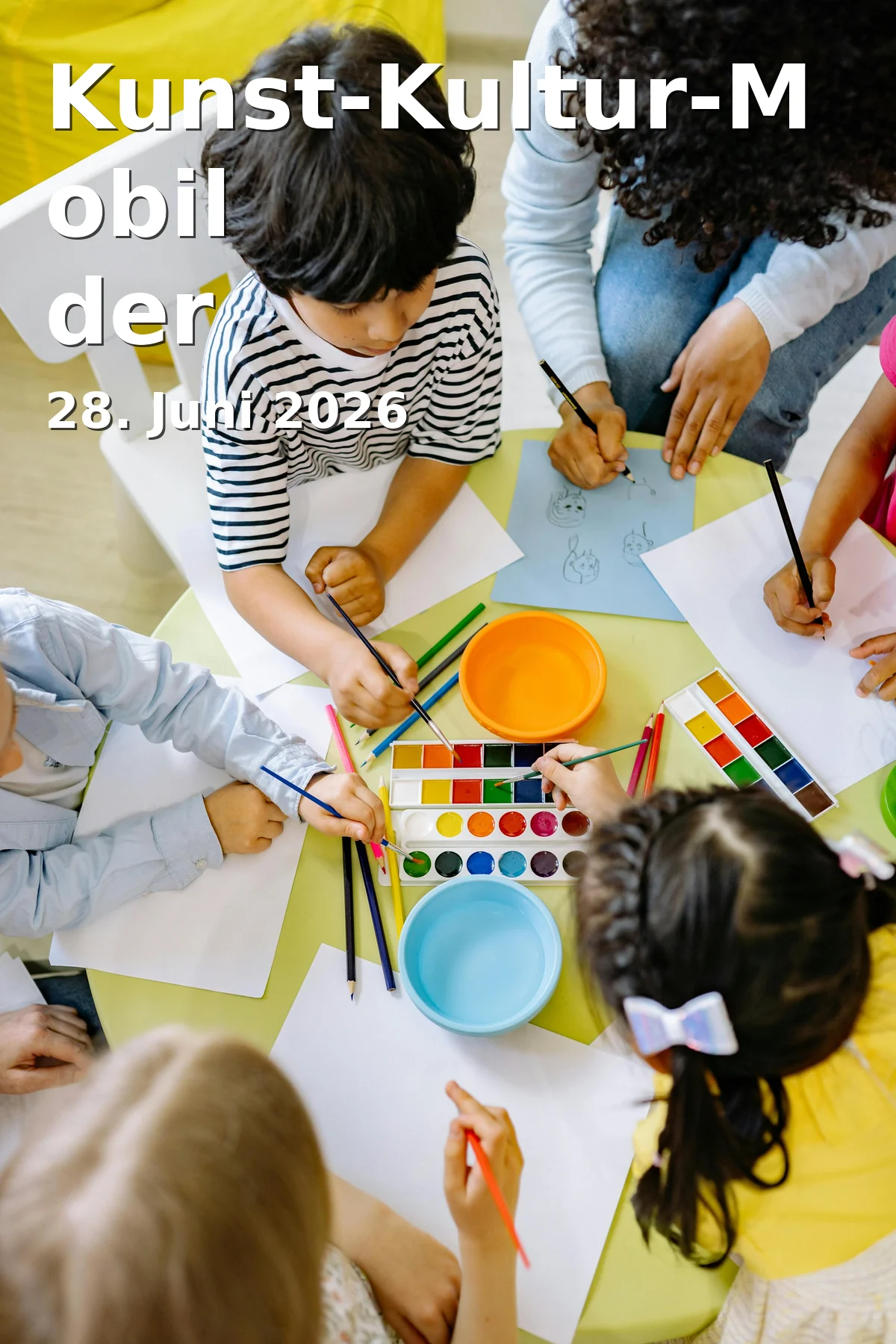
Art-Culture-Mobile of the Gelsenkirchen Art School
Miscellaneous, June 28, 2026, 1:00 PM - 3:00 PM, Neighborhood Shop Schalke Gelsenkirchen should become more creative and colorful! That's why we regularly take our Art-Culture-Mobile out into the neighborhoods, where we make stops in public squares. Packed with a wide selection of materials, we primarily want to give local children the opportunity to express themselves artistically. No registration required! This event is free of charge. The legally responsible organizer of the eventArt-Culture-Mobile of the Gelsenkirchen Art Schoolis
Hand in Hand - Accompanying New Immigrants
Free counseling at Schalke Community Store: Hand in Hand accompanies new immigrants with orientation, help, and native language. July 1, 2026, 09:00–12:00 PM. #Gelsenkirchen
Let the balls roll...
Free bingo for families at the community shop Schalke: cheer along, laugh, and experience a beautiful hour in the neighborhood. 01.07.2026, 14:15. #FamilyTime
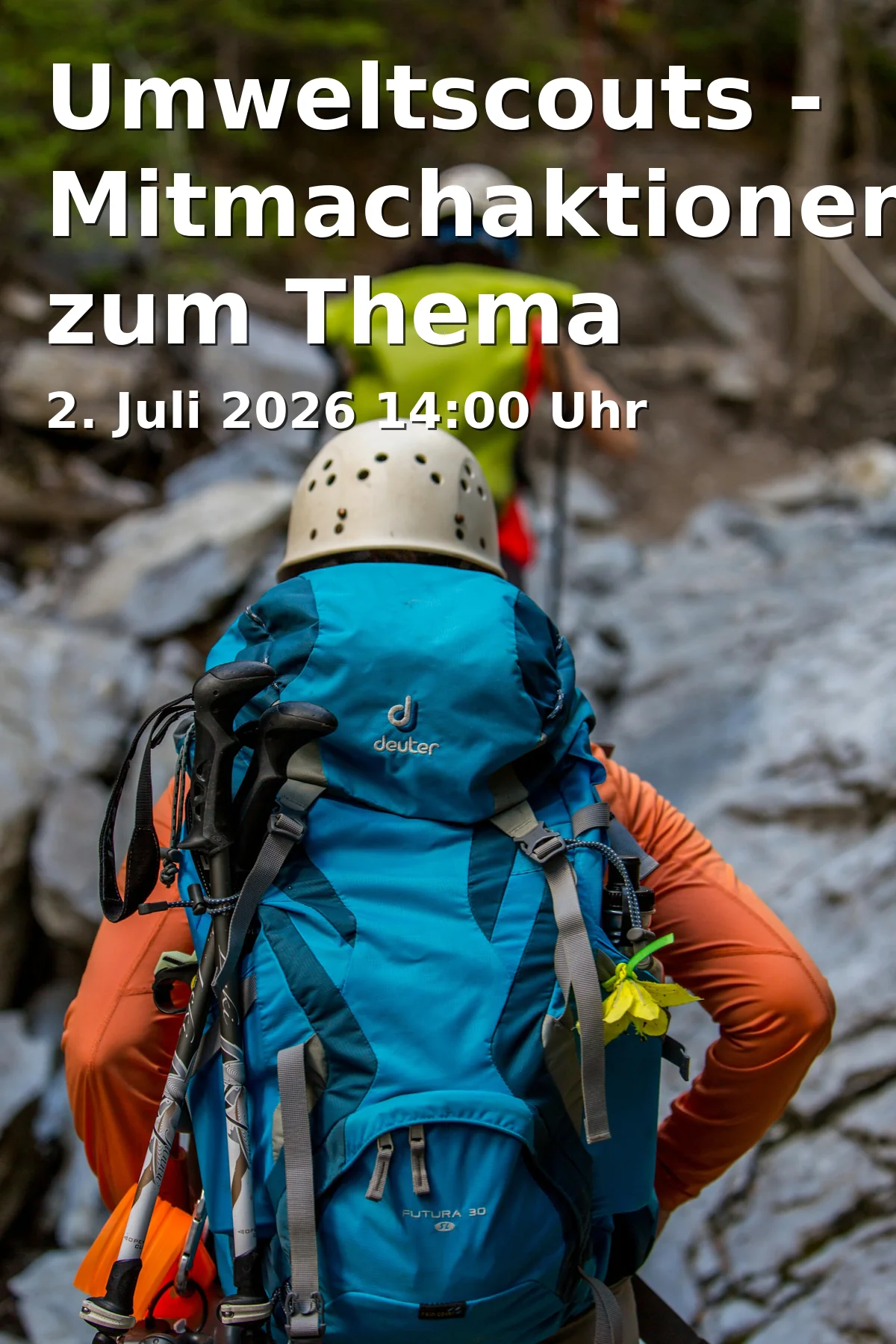
Environmental Scouts - Participation Actions on Nature and Environment
Experience nature creatively in Schalke: The Environmental Scouts invite you to participate for free - with planting beds, natural colors, and great ideas. July 02, 2026, at 2 PM. #Gelsenkirchen #Community
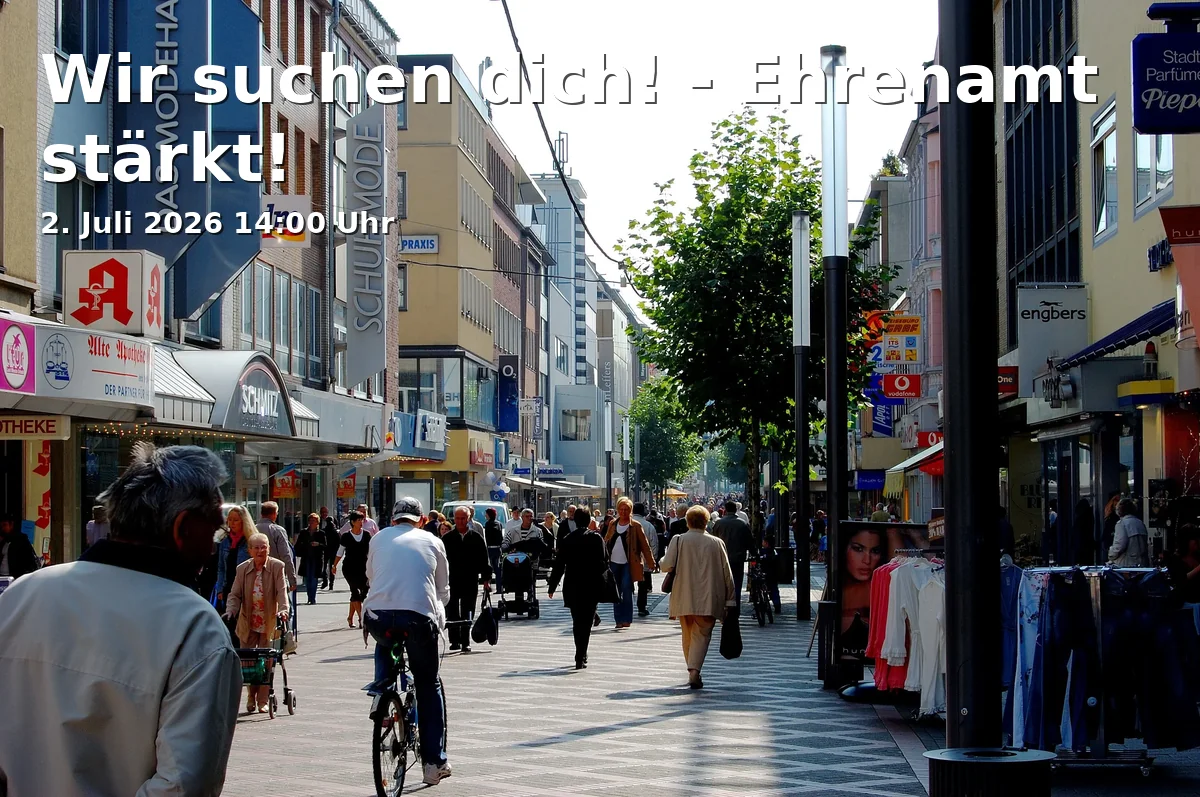
We are looking for you! - Volunteering strengthens!
Experience volunteering up close in Schalke: Information, conversations, and new paths into social engagement. July 2, 2026, from 2 PM, free admission. #Volunteering
Frequently Asked Questions
Reviews
No reviews found