
Gelsenkirchen
Brößweg 40, 45897 Gelsenkirchen, Deutschland
Green Laboratory in the Biomass Park Hugo | Photos & Images
The Green Laboratory in the Biomass Park Hugo is a place where the history of the Ruhr area, modern environmental education, and local recreation meet in a very direct way. On the site of the former Hugo coal mine, a neighborhood park with so-called appropriation areas was created in 2016, which are made available to the public. In 2017, the Friends of the Green Laboratory in the Biomass Park Hugo e.V. was founded to support educational projects, maintain ecologically valuable biotopes, promote community gardening, and create a space for families, children, seniors, and all interested individuals from the surrounding neighborhoods. Today, the Green Laboratory is a public park that is much more than a classic green space: it is a place of learning, a meeting point, and a piece of lived urban development on a previously industrial site. ([gruenlabor-hugo.de](https://www.gruenlabor-hugo.de/))
Particularly exciting is the contrast that shapes the location. Where coal was once mined, the city of Gelsenkirchen now describes a unique biomass park in Europe. On about half of the area, fast-growing trees for energy production are cultivated, while the other half serves as a place for learning, play, and recreation, as well as a habitat for rare animal and plant species. The Biomass Park Hugo is described in the project database of the Ruhr Regional Association as a neighborhood park with a large range of learning, play, and leisure activities; around 25 hectares, diverse uses, and a long development phase make the site an example of how an industrial wasteland can become a usable, social, and ecologically charged urban space. ([gelsenkirchen.de](https://www.gelsenkirchen.de/de/bildung/ausserschulische_bildung/umweltbildung/umwelt-info-pfad.aspx))
What makes the Environmental Information Path in the Green Laboratory Hugo special?
The Environmental Information Path is one of the main reasons why the Green Laboratory Hugo is so strongly associated with the themes of discovering nature, education, and family outings. The city of Gelsenkirchen explicitly states that children and young people can experience and explore nature here on an Environmental Information Path. The educational concept was developed collaboratively by daycare centers, schools, and environmental and youth associations, and made possible by the Living City Foundation. Thus, the Green Laboratory is not just a pretty park, but a consciously designed educational place where knowledge about nature is not conveyed abstractly, but experienced directly on-site, with all senses and in short, understandable learning stations. ([gelsenkirchen.de](https://www.gelsenkirchen.de/de/bildung/ausserschulische_bildung/umweltbildung/umwelt-info-pfad.aspx))
The special feature of the Environmental Information Path is the connection between everyday life and discovery. Instead of relying on sterile information spaces, the path leads through a landscape where ponds, streams, wild meadows, climbing trees, and other natural points can be discovered. The city also mentions the nature and experiential educational concept “Waldwärts,” which opens up nature right at the doorstep for both young and old explorers. This is precisely where the strength of the location lies: the path is easily accessible, outdoors, family-friendly, and yet content-rich. Those who come with children experience nature here not as a distant protected area, but as a lively learning space right in the middle of Gelsenkirchen. ([gelsenkirchen.de](https://www.gelsenkirchen.de/de/bildung/ausserschulische_bildung/umweltbildung/umwelt-info-pfad.aspx))
Community Garden, Dye Garden, and Soil Experience Path
A second central theme in the Green Laboratory Hugo is the community garden with its diverse stations. The city of Gelsenkirchen explicitly mentions raised beds, herb spirals, dye gardens, low climbing rope gardens, and clay pits as part of the Green Laboratory. Additionally, there is the soil educational path “Under Us,” where various soils from gravel to clayey-sandy substrates can be playfully experienced. This mixture makes the place so attractive for families, school groups, and nature-interested visitors: it is not just about plants, but also about soil, water, structure, material, and how simple natural components can become learning opportunities. ([gelsenkirchen.de](https://www.gelsenkirchen.de/de/bildung/ausserschulische_bildung/umweltbildung/umwelt-info-pfad.aspx))
The dye garden is a particularly beautiful example of how practical environmental education is conceived in the Green Laboratory. Instead of just talking about plants, flowers, leaves, and fruits are used as raw materials for learning and design processes, depending on the offerings. This aligns with the location's goal of being a space for community gardening, educational work, and social interaction. This is complemented by seven sea containers designed by graffiti artists, which serve as tool sheds, weather protection, workspaces, and exhibition spaces. This creates a distinct, very visual overall image that closely connects nature, urbanity, and creativity. ([gelsenkirchen.de](https://www.gelsenkirchen.de/de/bildung/ausserschulische_bildung/umweltbildung/umwelt-info-pfad.aspx))
How do I get to the Green Laboratory Hugo and where can I park?
The access is straightforward if you use the official address: Biomassepark Hugo, Brößweg 40, 45897 Gelsenkirchen. The Friends of the Green Laboratory also clearly state that parking is available at the entrance to the park and refer to its location near the Regional Forestry Office Ruhrgebiet. Three access routes to the Green Laboratory at the Green Hill are mentioned: via Brößweg, Steinmetzstraße, or Ostfalenstraße. This makes the location well described and easily findable for visitors without a long search. ([gruenlabor-biomassepark.de](https://gruenlabor-biomassepark.de/index.php?page=anfahrt))
Those planning a visit also benefit from the fact that the Green Laboratory is a public park. It is not a closed event venue, but an accessible urban space with a clear address and understandable wayfinding. In the surrounding area, the Green Laboratory also plays a role in guided tours through the northern part of Gelsenkirchen: the city links the Biomass Park Hugo in current urban hiking offers with the Rungenberg spoil heap. This shows that a visit can be well combined with a walk or a discovery tour through the green infrastructure of the neighborhood. For practical planning, however, the most important facts remain simple: remember Brößweg 40, use the parking facilities at the entrance, and choose the marked access routes via the surrounding streets if needed. ([gruenlabor-biomassepark.de](https://gruenlabor-biomassepark.de/index.php?page=anfahrt))
From the Mining Site to the Biomass Park Hugo
The history of the site is closely linked to the structural change in the Ruhr area. On the site of the former Hugo coal mine, coal was mined for almost 130 years. In 2000, coal mining ended, the technical and structural facilities were almost completely demolished, and a typical industrial wasteland remained. About 15 years later, the transformation into a new park landscape began. The city of Gelsenkirchen, the State Enterprise Forest and Wood NRW, RAG AG, and other partners agreed in 2016 on the use and maintenance of the areas for a period of 20 years until 2036. As early as June 2016, the first partial areas were opened to the public, and in spring 2017, further areas were planted. ([rvr.ruhr](https://www.rvr.ruhr/beispielelemente-admin/projektdatenbank-20/detailpage-1/gruenlabor-hugo-biomassepark/))
Particularly noteworthy is how consistently the reconstruction was organized as a community process. Over 20 educational institutions, initiatives, and associations contributed in eight workshops to further develop the rough concept in a citizen-friendly manner. Among those involved in the implementation were the city of Gelsenkirchen, RAG Montan Immobilien, the Ministry of the Environment of North Rhine-Westphalia, Ruhr University Bochum, the State Enterprise Forest and Wood NRW, and the aGEnda 21 office. The city describes the Biomass Park Hugo in this context as a unique park concept in Europe. Subsequent development steps are also documented: in 2019, the Green Laboratory became part of the European project CLEARING HOUSE and the federal competition Future City 2030. This shows that the site did not only emerge from a good idea but is still being thought of as an example of sustainable land development. ([rvr.ruhr](https://www.rvr.ruhr/beispielelemente-admin/projektdatenbank-20/detailpage-1/gruenlabor-hugo-biomassepark/))
Learning, Participating, and Events in the Green Laboratory Hugo
The Green Laboratory Hugo is not only visited but actively used. The official website emphasizes that schools, daycare centers, clubs, and associations use the area as a large learning, play, and leisure offer. The Friends of the Green Laboratory list goals including supporting educational projects, maintaining ecologically valuable biotopes, community gardening, and creating a feel-good space for people from the area. There are also specific contacts for volunteer engagement, general inquiries, planning, nature conservation, and pedagogy for schools, daycare centers, and associations. So, those who want to not only stop by but also get involved will find a true participatory space with an established structure here. ([gruenlabor-hugo.de](https://www.gruenlabor-hugo.de/))
Current educational offerings also show that the Green Laboratory is actively used. In the offerings of the city of Gelsenkirchen, the location regularly appears in events for children and families, such as at the Nature Camp on Hugo, experimenting with plant colors, or other environmental education formats. There are also excursions and tours where the Biomass Park is part of the route. Practically, this means: the Green Laboratory is not a static monument, but a place with changing programs, seasonal learning formats, and recurring offers for different age groups. Those traveling with children or planning a nature educational visit will find a location that is not only open and public but also remains integrated into the ongoing educational and leisure offerings of the city. ([gelsenkirchen.de](https://www.gelsenkirchen.de/de/bildung/ausserschulische_bildung/umweltbildung/umweltdiplom/anmeldung.aspx?utm_source=openai))
Images, Containers, and Special Impressions on Site
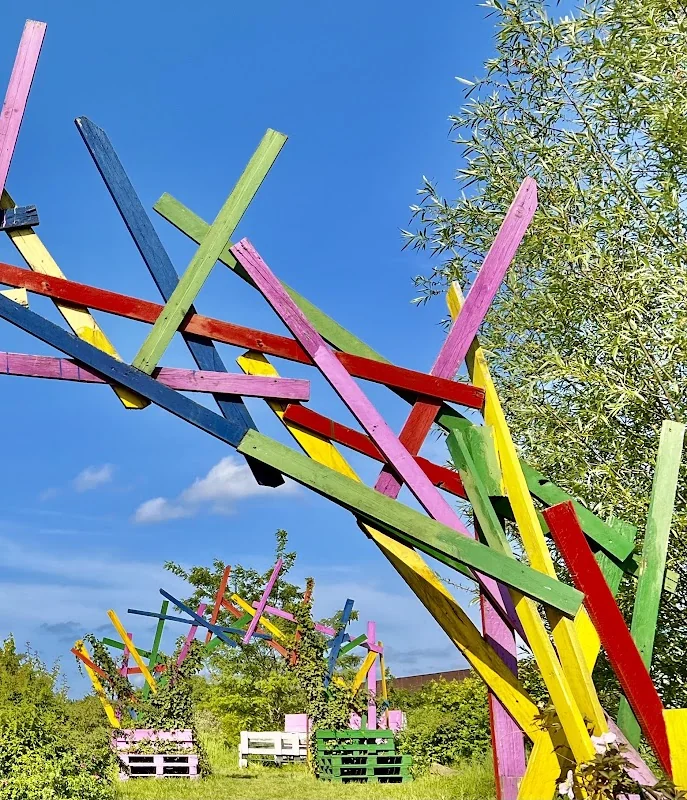
Those looking for photos, images, or a strong visual impression will quickly find what they are looking for at the Green Laboratory Hugo, as the place thrives on contrasts and color. The city of Gelsenkirchen describes a scene with painted containers, green paths, and in the background, the headframe of the former Hugo coal mine. The Friends of the Green Laboratory add that seven former sea containers have been designed by graffiti artists and now serve as exhibition spaces, tool sheds, and weather protection. These details make the location photogenic: it does not appear smooth or artificial, but lively, individual, and a little surprising. This makes the place equally interesting for social media, family photos, and authentic impressions. ([gelsenkirchen.de](https://www.gelsenkirchen.de/de/bildung/ausserschulische_bildung/umweltbildung/umwelt-info-pfad.aspx))
At the same time, the Green Laboratory remains a space where nature and use coexist side by side. The RVR project database highlights play and climbing areas, a beach volleyball facility, and numerous seating areas. The city adds wild meadows, ponds, streams, and climbing trees, while the Friends of the Green Laboratory speak of community gardening and the maintenance of the areas. The result is a place that not only works in photos but also makes an impression on-site because it offers so many layers simultaneously: movement, tranquility, learning, nature observation, and joint activities. Therefore, those who visit the Green Laboratory do not get a one-dimensional attraction but a multifaceted park that presents itself differently depending on the time of day, season, and use. ([rvr.ruhr](https://www.rvr.ruhr/beispielelemente-admin/projektdatenbank-20/detailpage-1/gruenlabor-hugo-biomassepark/))
Sources:
- Official Website Green Laboratory Hugo ([gruenlabor-hugo.de](https://www.gruenlabor-hugo.de/))
- Friends of the Green Laboratory in the Biomass Park Hugo e.V. - Directions and Contact ([gruenlabor-biomassepark.de](https://gruenlabor-biomassepark.de/index.php?page=anfahrt))
- City of Gelsenkirchen - Green Laboratory Hugo and Environmental Information Path ([gelsenkirchen.de](https://www.gelsenkirchen.de/de/bildung/ausserschulische_bildung/umweltbildung/umwelt-info-pfad.aspx))
- RVR Project Database - Green Laboratory HUGO - Biomass Park ([rvr.ruhr](https://www.rvr.ruhr/beispielelemente-admin/projektdatenbank-20/detailpage-1/gruenlabor-hugo-biomassepark/))
- City of Gelsenkirchen - Learning Locations and Learning Laboratories ([gelsenkirchen.de](https://www.gelsenkirchen.de/de/bildung/bildung_fuer_nachhaltige_entwicklung/zukunftsstadt2030_/lernorte_und_lernlabore.aspx))
- City of Gelsenkirchen - History, Projects, and Current Use ([gelsenkirchen.de](https://www.gelsenkirchen.de/de/_meta/aktuelles/artikel/49160-gruenlabor-hugo-waechst-weiter-24-neue-baeume-gepflanzt?utm_source=openai))
Mehr anzeigenWeniger anzeigen
Green Laboratory in the Biomass Park Hugo | Photos & Images
The Green Laboratory in the Biomass Park Hugo is a place where the history of the Ruhr area, modern environmental education, and local recreation meet in a very direct way. On the site of the former Hugo coal mine, a neighborhood park with so-called appropriation areas was created in 2016, which are made available to the public. In 2017, the Friends of the Green Laboratory in the Biomass Park Hugo e.V. was founded to support educational projects, maintain ecologically valuable biotopes, promote community gardening, and create a space for families, children, seniors, and all interested individuals from the surrounding neighborhoods. Today, the Green Laboratory is a public park that is much more than a classic green space: it is a place of learning, a meeting point, and a piece of lived urban development on a previously industrial site. ([gruenlabor-hugo.de](https://www.gruenlabor-hugo.de/))
Particularly exciting is the contrast that shapes the location. Where coal was once mined, the city of Gelsenkirchen now describes a unique biomass park in Europe. On about half of the area, fast-growing trees for energy production are cultivated, while the other half serves as a place for learning, play, and recreation, as well as a habitat for rare animal and plant species. The Biomass Park Hugo is described in the project database of the Ruhr Regional Association as a neighborhood park with a large range of learning, play, and leisure activities; around 25 hectares, diverse uses, and a long development phase make the site an example of how an industrial wasteland can become a usable, social, and ecologically charged urban space. ([gelsenkirchen.de](https://www.gelsenkirchen.de/de/bildung/ausserschulische_bildung/umweltbildung/umwelt-info-pfad.aspx))
What makes the Environmental Information Path in the Green Laboratory Hugo special?
The Environmental Information Path is one of the main reasons why the Green Laboratory Hugo is so strongly associated with the themes of discovering nature, education, and family outings. The city of Gelsenkirchen explicitly states that children and young people can experience and explore nature here on an Environmental Information Path. The educational concept was developed collaboratively by daycare centers, schools, and environmental and youth associations, and made possible by the Living City Foundation. Thus, the Green Laboratory is not just a pretty park, but a consciously designed educational place where knowledge about nature is not conveyed abstractly, but experienced directly on-site, with all senses and in short, understandable learning stations. ([gelsenkirchen.de](https://www.gelsenkirchen.de/de/bildung/ausserschulische_bildung/umweltbildung/umwelt-info-pfad.aspx))
The special feature of the Environmental Information Path is the connection between everyday life and discovery. Instead of relying on sterile information spaces, the path leads through a landscape where ponds, streams, wild meadows, climbing trees, and other natural points can be discovered. The city also mentions the nature and experiential educational concept “Waldwärts,” which opens up nature right at the doorstep for both young and old explorers. This is precisely where the strength of the location lies: the path is easily accessible, outdoors, family-friendly, and yet content-rich. Those who come with children experience nature here not as a distant protected area, but as a lively learning space right in the middle of Gelsenkirchen. ([gelsenkirchen.de](https://www.gelsenkirchen.de/de/bildung/ausserschulische_bildung/umweltbildung/umwelt-info-pfad.aspx))
Community Garden, Dye Garden, and Soil Experience Path
A second central theme in the Green Laboratory Hugo is the community garden with its diverse stations. The city of Gelsenkirchen explicitly mentions raised beds, herb spirals, dye gardens, low climbing rope gardens, and clay pits as part of the Green Laboratory. Additionally, there is the soil educational path “Under Us,” where various soils from gravel to clayey-sandy substrates can be playfully experienced. This mixture makes the place so attractive for families, school groups, and nature-interested visitors: it is not just about plants, but also about soil, water, structure, material, and how simple natural components can become learning opportunities. ([gelsenkirchen.de](https://www.gelsenkirchen.de/de/bildung/ausserschulische_bildung/umweltbildung/umwelt-info-pfad.aspx))
The dye garden is a particularly beautiful example of how practical environmental education is conceived in the Green Laboratory. Instead of just talking about plants, flowers, leaves, and fruits are used as raw materials for learning and design processes, depending on the offerings. This aligns with the location's goal of being a space for community gardening, educational work, and social interaction. This is complemented by seven sea containers designed by graffiti artists, which serve as tool sheds, weather protection, workspaces, and exhibition spaces. This creates a distinct, very visual overall image that closely connects nature, urbanity, and creativity. ([gelsenkirchen.de](https://www.gelsenkirchen.de/de/bildung/ausserschulische_bildung/umweltbildung/umwelt-info-pfad.aspx))
How do I get to the Green Laboratory Hugo and where can I park?
The access is straightforward if you use the official address: Biomassepark Hugo, Brößweg 40, 45897 Gelsenkirchen. The Friends of the Green Laboratory also clearly state that parking is available at the entrance to the park and refer to its location near the Regional Forestry Office Ruhrgebiet. Three access routes to the Green Laboratory at the Green Hill are mentioned: via Brößweg, Steinmetzstraße, or Ostfalenstraße. This makes the location well described and easily findable for visitors without a long search. ([gruenlabor-biomassepark.de](https://gruenlabor-biomassepark.de/index.php?page=anfahrt))
Those planning a visit also benefit from the fact that the Green Laboratory is a public park. It is not a closed event venue, but an accessible urban space with a clear address and understandable wayfinding. In the surrounding area, the Green Laboratory also plays a role in guided tours through the northern part of Gelsenkirchen: the city links the Biomass Park Hugo in current urban hiking offers with the Rungenberg spoil heap. This shows that a visit can be well combined with a walk or a discovery tour through the green infrastructure of the neighborhood. For practical planning, however, the most important facts remain simple: remember Brößweg 40, use the parking facilities at the entrance, and choose the marked access routes via the surrounding streets if needed. ([gruenlabor-biomassepark.de](https://gruenlabor-biomassepark.de/index.php?page=anfahrt))
From the Mining Site to the Biomass Park Hugo
The history of the site is closely linked to the structural change in the Ruhr area. On the site of the former Hugo coal mine, coal was mined for almost 130 years. In 2000, coal mining ended, the technical and structural facilities were almost completely demolished, and a typical industrial wasteland remained. About 15 years later, the transformation into a new park landscape began. The city of Gelsenkirchen, the State Enterprise Forest and Wood NRW, RAG AG, and other partners agreed in 2016 on the use and maintenance of the areas for a period of 20 years until 2036. As early as June 2016, the first partial areas were opened to the public, and in spring 2017, further areas were planted. ([rvr.ruhr](https://www.rvr.ruhr/beispielelemente-admin/projektdatenbank-20/detailpage-1/gruenlabor-hugo-biomassepark/))
Particularly noteworthy is how consistently the reconstruction was organized as a community process. Over 20 educational institutions, initiatives, and associations contributed in eight workshops to further develop the rough concept in a citizen-friendly manner. Among those involved in the implementation were the city of Gelsenkirchen, RAG Montan Immobilien, the Ministry of the Environment of North Rhine-Westphalia, Ruhr University Bochum, the State Enterprise Forest and Wood NRW, and the aGEnda 21 office. The city describes the Biomass Park Hugo in this context as a unique park concept in Europe. Subsequent development steps are also documented: in 2019, the Green Laboratory became part of the European project CLEARING HOUSE and the federal competition Future City 2030. This shows that the site did not only emerge from a good idea but is still being thought of as an example of sustainable land development. ([rvr.ruhr](https://www.rvr.ruhr/beispielelemente-admin/projektdatenbank-20/detailpage-1/gruenlabor-hugo-biomassepark/))
Learning, Participating, and Events in the Green Laboratory Hugo
The Green Laboratory Hugo is not only visited but actively used. The official website emphasizes that schools, daycare centers, clubs, and associations use the area as a large learning, play, and leisure offer. The Friends of the Green Laboratory list goals including supporting educational projects, maintaining ecologically valuable biotopes, community gardening, and creating a feel-good space for people from the area. There are also specific contacts for volunteer engagement, general inquiries, planning, nature conservation, and pedagogy for schools, daycare centers, and associations. So, those who want to not only stop by but also get involved will find a true participatory space with an established structure here. ([gruenlabor-hugo.de](https://www.gruenlabor-hugo.de/))
Current educational offerings also show that the Green Laboratory is actively used. In the offerings of the city of Gelsenkirchen, the location regularly appears in events for children and families, such as at the Nature Camp on Hugo, experimenting with plant colors, or other environmental education formats. There are also excursions and tours where the Biomass Park is part of the route. Practically, this means: the Green Laboratory is not a static monument, but a place with changing programs, seasonal learning formats, and recurring offers for different age groups. Those traveling with children or planning a nature educational visit will find a location that is not only open and public but also remains integrated into the ongoing educational and leisure offerings of the city. ([gelsenkirchen.de](https://www.gelsenkirchen.de/de/bildung/ausserschulische_bildung/umweltbildung/umweltdiplom/anmeldung.aspx?utm_source=openai))
Images, Containers, and Special Impressions on Site
Those looking for photos, images, or a strong visual impression will quickly find what they are looking for at the Green Laboratory Hugo, as the place thrives on contrasts and color. The city of Gelsenkirchen describes a scene with painted containers, green paths, and in the background, the headframe of the former Hugo coal mine. The Friends of the Green Laboratory add that seven former sea containers have been designed by graffiti artists and now serve as exhibition spaces, tool sheds, and weather protection. These details make the location photogenic: it does not appear smooth or artificial, but lively, individual, and a little surprising. This makes the place equally interesting for social media, family photos, and authentic impressions. ([gelsenkirchen.de](https://www.gelsenkirchen.de/de/bildung/ausserschulische_bildung/umweltbildung/umwelt-info-pfad.aspx))
At the same time, the Green Laboratory remains a space where nature and use coexist side by side. The RVR project database highlights play and climbing areas, a beach volleyball facility, and numerous seating areas. The city adds wild meadows, ponds, streams, and climbing trees, while the Friends of the Green Laboratory speak of community gardening and the maintenance of the areas. The result is a place that not only works in photos but also makes an impression on-site because it offers so many layers simultaneously: movement, tranquility, learning, nature observation, and joint activities. Therefore, those who visit the Green Laboratory do not get a one-dimensional attraction but a multifaceted park that presents itself differently depending on the time of day, season, and use. ([rvr.ruhr](https://www.rvr.ruhr/beispielelemente-admin/projektdatenbank-20/detailpage-1/gruenlabor-hugo-biomassepark/))
Sources:
- Official Website Green Laboratory Hugo ([gruenlabor-hugo.de](https://www.gruenlabor-hugo.de/))
- Friends of the Green Laboratory in the Biomass Park Hugo e.V. - Directions and Contact ([gruenlabor-biomassepark.de](https://gruenlabor-biomassepark.de/index.php?page=anfahrt))
- City of Gelsenkirchen - Green Laboratory Hugo and Environmental Information Path ([gelsenkirchen.de](https://www.gelsenkirchen.de/de/bildung/ausserschulische_bildung/umweltbildung/umwelt-info-pfad.aspx))
- RVR Project Database - Green Laboratory HUGO - Biomass Park ([rvr.ruhr](https://www.rvr.ruhr/beispielelemente-admin/projektdatenbank-20/detailpage-1/gruenlabor-hugo-biomassepark/))
- City of Gelsenkirchen - Learning Locations and Learning Laboratories ([gelsenkirchen.de](https://www.gelsenkirchen.de/de/bildung/bildung_fuer_nachhaltige_entwicklung/zukunftsstadt2030_/lernorte_und_lernlabore.aspx))
- City of Gelsenkirchen - History, Projects, and Current Use ([gelsenkirchen.de](https://www.gelsenkirchen.de/de/_meta/aktuelles/artikel/49160-gruenlabor-hugo-waechst-weiter-24-neue-baeume-gepflanzt?utm_source=openai))
Green Laboratory in the Biomass Park Hugo | Photos & Images
The Green Laboratory in the Biomass Park Hugo is a place where the history of the Ruhr area, modern environmental education, and local recreation meet in a very direct way. On the site of the former Hugo coal mine, a neighborhood park with so-called appropriation areas was created in 2016, which are made available to the public. In 2017, the Friends of the Green Laboratory in the Biomass Park Hugo e.V. was founded to support educational projects, maintain ecologically valuable biotopes, promote community gardening, and create a space for families, children, seniors, and all interested individuals from the surrounding neighborhoods. Today, the Green Laboratory is a public park that is much more than a classic green space: it is a place of learning, a meeting point, and a piece of lived urban development on a previously industrial site. ([gruenlabor-hugo.de](https://www.gruenlabor-hugo.de/))
Particularly exciting is the contrast that shapes the location. Where coal was once mined, the city of Gelsenkirchen now describes a unique biomass park in Europe. On about half of the area, fast-growing trees for energy production are cultivated, while the other half serves as a place for learning, play, and recreation, as well as a habitat for rare animal and plant species. The Biomass Park Hugo is described in the project database of the Ruhr Regional Association as a neighborhood park with a large range of learning, play, and leisure activities; around 25 hectares, diverse uses, and a long development phase make the site an example of how an industrial wasteland can become a usable, social, and ecologically charged urban space. ([gelsenkirchen.de](https://www.gelsenkirchen.de/de/bildung/ausserschulische_bildung/umweltbildung/umwelt-info-pfad.aspx))
What makes the Environmental Information Path in the Green Laboratory Hugo special?
The Environmental Information Path is one of the main reasons why the Green Laboratory Hugo is so strongly associated with the themes of discovering nature, education, and family outings. The city of Gelsenkirchen explicitly states that children and young people can experience and explore nature here on an Environmental Information Path. The educational concept was developed collaboratively by daycare centers, schools, and environmental and youth associations, and made possible by the Living City Foundation. Thus, the Green Laboratory is not just a pretty park, but a consciously designed educational place where knowledge about nature is not conveyed abstractly, but experienced directly on-site, with all senses and in short, understandable learning stations. ([gelsenkirchen.de](https://www.gelsenkirchen.de/de/bildung/ausserschulische_bildung/umweltbildung/umwelt-info-pfad.aspx))
The special feature of the Environmental Information Path is the connection between everyday life and discovery. Instead of relying on sterile information spaces, the path leads through a landscape where ponds, streams, wild meadows, climbing trees, and other natural points can be discovered. The city also mentions the nature and experiential educational concept “Waldwärts,” which opens up nature right at the doorstep for both young and old explorers. This is precisely where the strength of the location lies: the path is easily accessible, outdoors, family-friendly, and yet content-rich. Those who come with children experience nature here not as a distant protected area, but as a lively learning space right in the middle of Gelsenkirchen. ([gelsenkirchen.de](https://www.gelsenkirchen.de/de/bildung/ausserschulische_bildung/umweltbildung/umwelt-info-pfad.aspx))
Community Garden, Dye Garden, and Soil Experience Path
A second central theme in the Green Laboratory Hugo is the community garden with its diverse stations. The city of Gelsenkirchen explicitly mentions raised beds, herb spirals, dye gardens, low climbing rope gardens, and clay pits as part of the Green Laboratory. Additionally, there is the soil educational path “Under Us,” where various soils from gravel to clayey-sandy substrates can be playfully experienced. This mixture makes the place so attractive for families, school groups, and nature-interested visitors: it is not just about plants, but also about soil, water, structure, material, and how simple natural components can become learning opportunities. ([gelsenkirchen.de](https://www.gelsenkirchen.de/de/bildung/ausserschulische_bildung/umweltbildung/umwelt-info-pfad.aspx))
The dye garden is a particularly beautiful example of how practical environmental education is conceived in the Green Laboratory. Instead of just talking about plants, flowers, leaves, and fruits are used as raw materials for learning and design processes, depending on the offerings. This aligns with the location's goal of being a space for community gardening, educational work, and social interaction. This is complemented by seven sea containers designed by graffiti artists, which serve as tool sheds, weather protection, workspaces, and exhibition spaces. This creates a distinct, very visual overall image that closely connects nature, urbanity, and creativity. ([gelsenkirchen.de](https://www.gelsenkirchen.de/de/bildung/ausserschulische_bildung/umweltbildung/umwelt-info-pfad.aspx))
How do I get to the Green Laboratory Hugo and where can I park?
The access is straightforward if you use the official address: Biomassepark Hugo, Brößweg 40, 45897 Gelsenkirchen. The Friends of the Green Laboratory also clearly state that parking is available at the entrance to the park and refer to its location near the Regional Forestry Office Ruhrgebiet. Three access routes to the Green Laboratory at the Green Hill are mentioned: via Brößweg, Steinmetzstraße, or Ostfalenstraße. This makes the location well described and easily findable for visitors without a long search. ([gruenlabor-biomassepark.de](https://gruenlabor-biomassepark.de/index.php?page=anfahrt))
Those planning a visit also benefit from the fact that the Green Laboratory is a public park. It is not a closed event venue, but an accessible urban space with a clear address and understandable wayfinding. In the surrounding area, the Green Laboratory also plays a role in guided tours through the northern part of Gelsenkirchen: the city links the Biomass Park Hugo in current urban hiking offers with the Rungenberg spoil heap. This shows that a visit can be well combined with a walk or a discovery tour through the green infrastructure of the neighborhood. For practical planning, however, the most important facts remain simple: remember Brößweg 40, use the parking facilities at the entrance, and choose the marked access routes via the surrounding streets if needed. ([gruenlabor-biomassepark.de](https://gruenlabor-biomassepark.de/index.php?page=anfahrt))
From the Mining Site to the Biomass Park Hugo
The history of the site is closely linked to the structural change in the Ruhr area. On the site of the former Hugo coal mine, coal was mined for almost 130 years. In 2000, coal mining ended, the technical and structural facilities were almost completely demolished, and a typical industrial wasteland remained. About 15 years later, the transformation into a new park landscape began. The city of Gelsenkirchen, the State Enterprise Forest and Wood NRW, RAG AG, and other partners agreed in 2016 on the use and maintenance of the areas for a period of 20 years until 2036. As early as June 2016, the first partial areas were opened to the public, and in spring 2017, further areas were planted. ([rvr.ruhr](https://www.rvr.ruhr/beispielelemente-admin/projektdatenbank-20/detailpage-1/gruenlabor-hugo-biomassepark/))
Particularly noteworthy is how consistently the reconstruction was organized as a community process. Over 20 educational institutions, initiatives, and associations contributed in eight workshops to further develop the rough concept in a citizen-friendly manner. Among those involved in the implementation were the city of Gelsenkirchen, RAG Montan Immobilien, the Ministry of the Environment of North Rhine-Westphalia, Ruhr University Bochum, the State Enterprise Forest and Wood NRW, and the aGEnda 21 office. The city describes the Biomass Park Hugo in this context as a unique park concept in Europe. Subsequent development steps are also documented: in 2019, the Green Laboratory became part of the European project CLEARING HOUSE and the federal competition Future City 2030. This shows that the site did not only emerge from a good idea but is still being thought of as an example of sustainable land development. ([rvr.ruhr](https://www.rvr.ruhr/beispielelemente-admin/projektdatenbank-20/detailpage-1/gruenlabor-hugo-biomassepark/))
Learning, Participating, and Events in the Green Laboratory Hugo
The Green Laboratory Hugo is not only visited but actively used. The official website emphasizes that schools, daycare centers, clubs, and associations use the area as a large learning, play, and leisure offer. The Friends of the Green Laboratory list goals including supporting educational projects, maintaining ecologically valuable biotopes, community gardening, and creating a feel-good space for people from the area. There are also specific contacts for volunteer engagement, general inquiries, planning, nature conservation, and pedagogy for schools, daycare centers, and associations. So, those who want to not only stop by but also get involved will find a true participatory space with an established structure here. ([gruenlabor-hugo.de](https://www.gruenlabor-hugo.de/))
Current educational offerings also show that the Green Laboratory is actively used. In the offerings of the city of Gelsenkirchen, the location regularly appears in events for children and families, such as at the Nature Camp on Hugo, experimenting with plant colors, or other environmental education formats. There are also excursions and tours where the Biomass Park is part of the route. Practically, this means: the Green Laboratory is not a static monument, but a place with changing programs, seasonal learning formats, and recurring offers for different age groups. Those traveling with children or planning a nature educational visit will find a location that is not only open and public but also remains integrated into the ongoing educational and leisure offerings of the city. ([gelsenkirchen.de](https://www.gelsenkirchen.de/de/bildung/ausserschulische_bildung/umweltbildung/umweltdiplom/anmeldung.aspx?utm_source=openai))
Images, Containers, and Special Impressions on Site
Those looking for photos, images, or a strong visual impression will quickly find what they are looking for at the Green Laboratory Hugo, as the place thrives on contrasts and color. The city of Gelsenkirchen describes a scene with painted containers, green paths, and in the background, the headframe of the former Hugo coal mine. The Friends of the Green Laboratory add that seven former sea containers have been designed by graffiti artists and now serve as exhibition spaces, tool sheds, and weather protection. These details make the location photogenic: it does not appear smooth or artificial, but lively, individual, and a little surprising. This makes the place equally interesting for social media, family photos, and authentic impressions. ([gelsenkirchen.de](https://www.gelsenkirchen.de/de/bildung/ausserschulische_bildung/umweltbildung/umwelt-info-pfad.aspx))
At the same time, the Green Laboratory remains a space where nature and use coexist side by side. The RVR project database highlights play and climbing areas, a beach volleyball facility, and numerous seating areas. The city adds wild meadows, ponds, streams, and climbing trees, while the Friends of the Green Laboratory speak of community gardening and the maintenance of the areas. The result is a place that not only works in photos but also makes an impression on-site because it offers so many layers simultaneously: movement, tranquility, learning, nature observation, and joint activities. Therefore, those who visit the Green Laboratory do not get a one-dimensional attraction but a multifaceted park that presents itself differently depending on the time of day, season, and use. ([rvr.ruhr](https://www.rvr.ruhr/beispielelemente-admin/projektdatenbank-20/detailpage-1/gruenlabor-hugo-biomassepark/))
Sources:
- Official Website Green Laboratory Hugo ([gruenlabor-hugo.de](https://www.gruenlabor-hugo.de/))
- Friends of the Green Laboratory in the Biomass Park Hugo e.V. - Directions and Contact ([gruenlabor-biomassepark.de](https://gruenlabor-biomassepark.de/index.php?page=anfahrt))
- City of Gelsenkirchen - Green Laboratory Hugo and Environmental Information Path ([gelsenkirchen.de](https://www.gelsenkirchen.de/de/bildung/ausserschulische_bildung/umweltbildung/umwelt-info-pfad.aspx))
- RVR Project Database - Green Laboratory HUGO - Biomass Park ([rvr.ruhr](https://www.rvr.ruhr/beispielelemente-admin/projektdatenbank-20/detailpage-1/gruenlabor-hugo-biomassepark/))
- City of Gelsenkirchen - Learning Locations and Learning Laboratories ([gelsenkirchen.de](https://www.gelsenkirchen.de/de/bildung/bildung_fuer_nachhaltige_entwicklung/zukunftsstadt2030_/lernorte_und_lernlabore.aspx))
- City of Gelsenkirchen - History, Projects, and Current Use ([gelsenkirchen.de](https://www.gelsenkirchen.de/de/_meta/aktuelles/artikel/49160-gruenlabor-hugo-waechst-weiter-24-neue-baeume-gepflanzt?utm_source=openai))
Upcoming Events
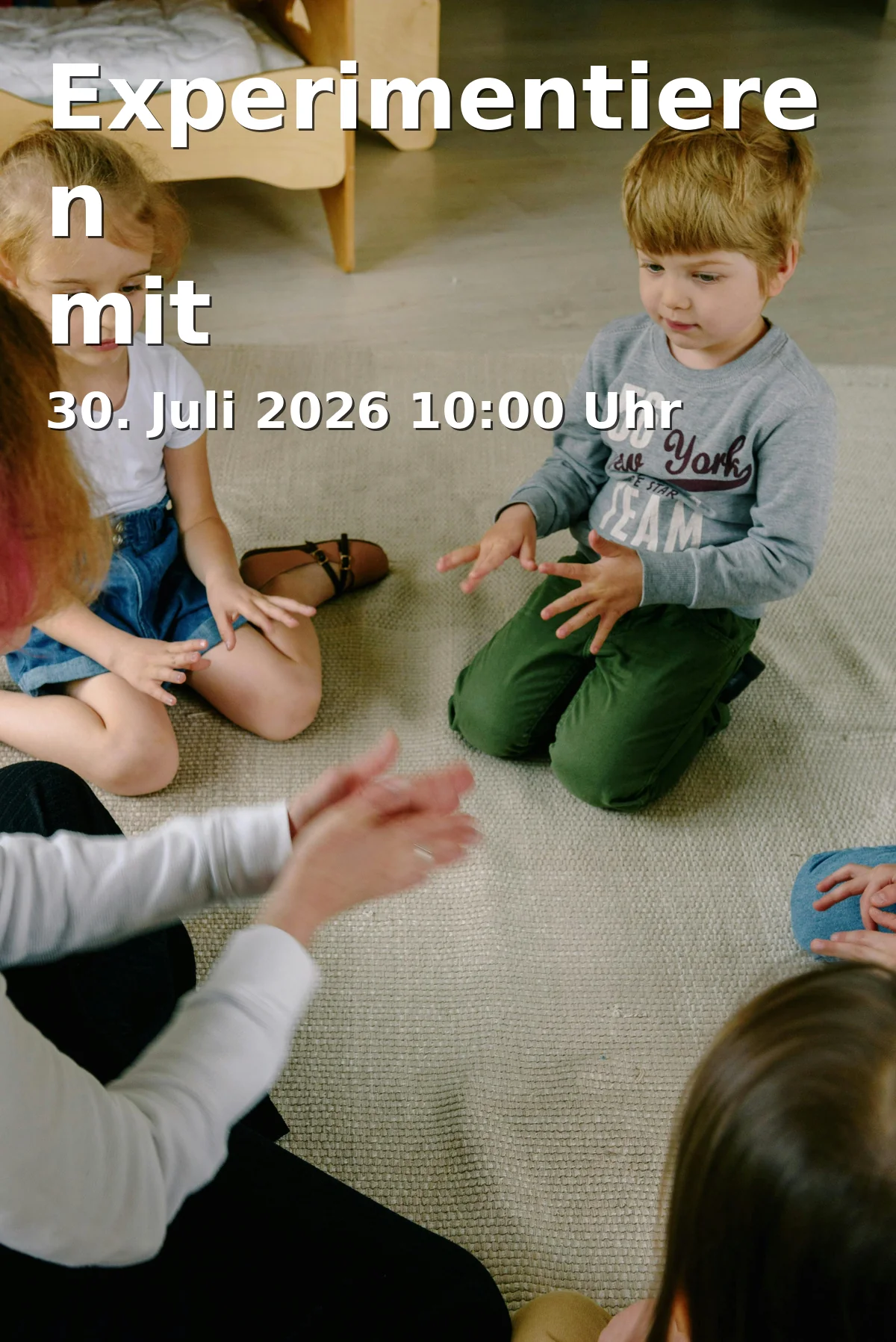
Experimenting with Plant Colors
Discover colors from flowers, leaves, and berries: The free children's course in the Green Laboratory Hugo brings nature, creativity, and learning fun together. Secure your spot now! #FamilyExperience
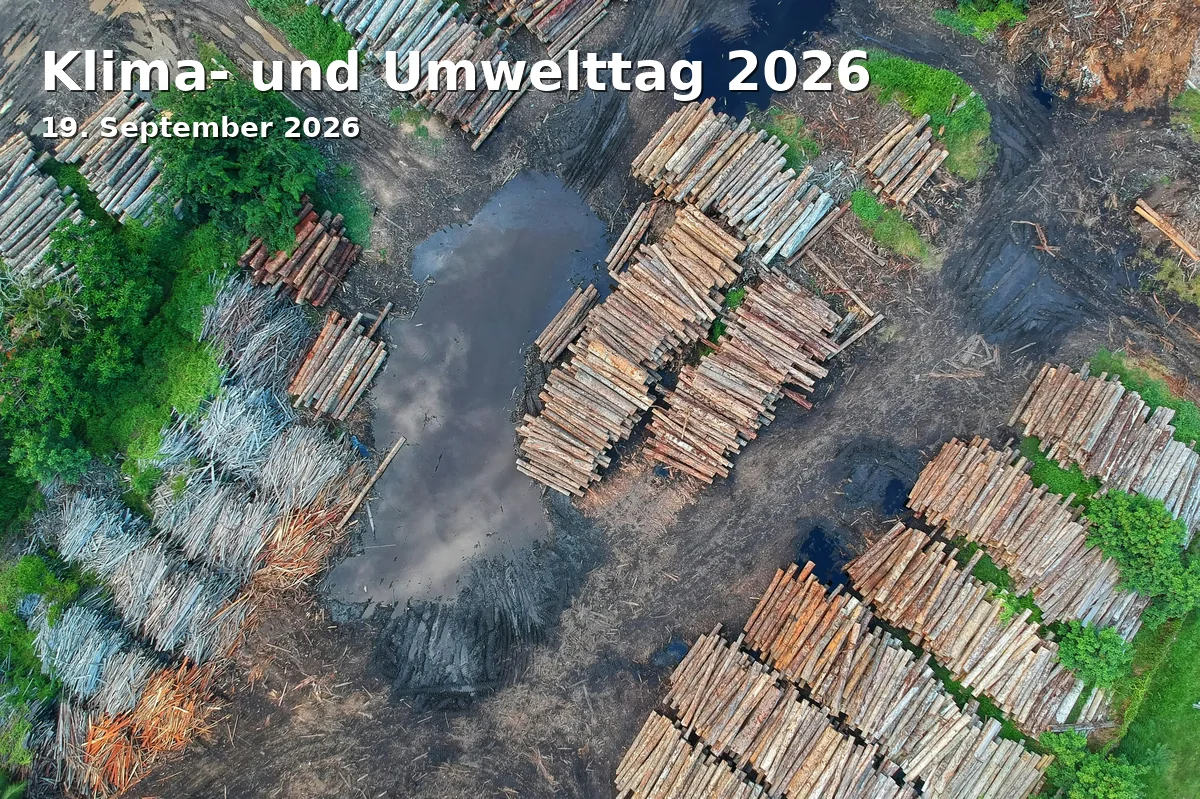
Climate and Environment Day 2026
Join this special participatory festival that offers exciting workshops and children's activities in Gelsenkirchen.
Frequently Asked Questions
Reviews
No reviews found