
Tannhäuser und der Sängerkrieg auf Wartburg
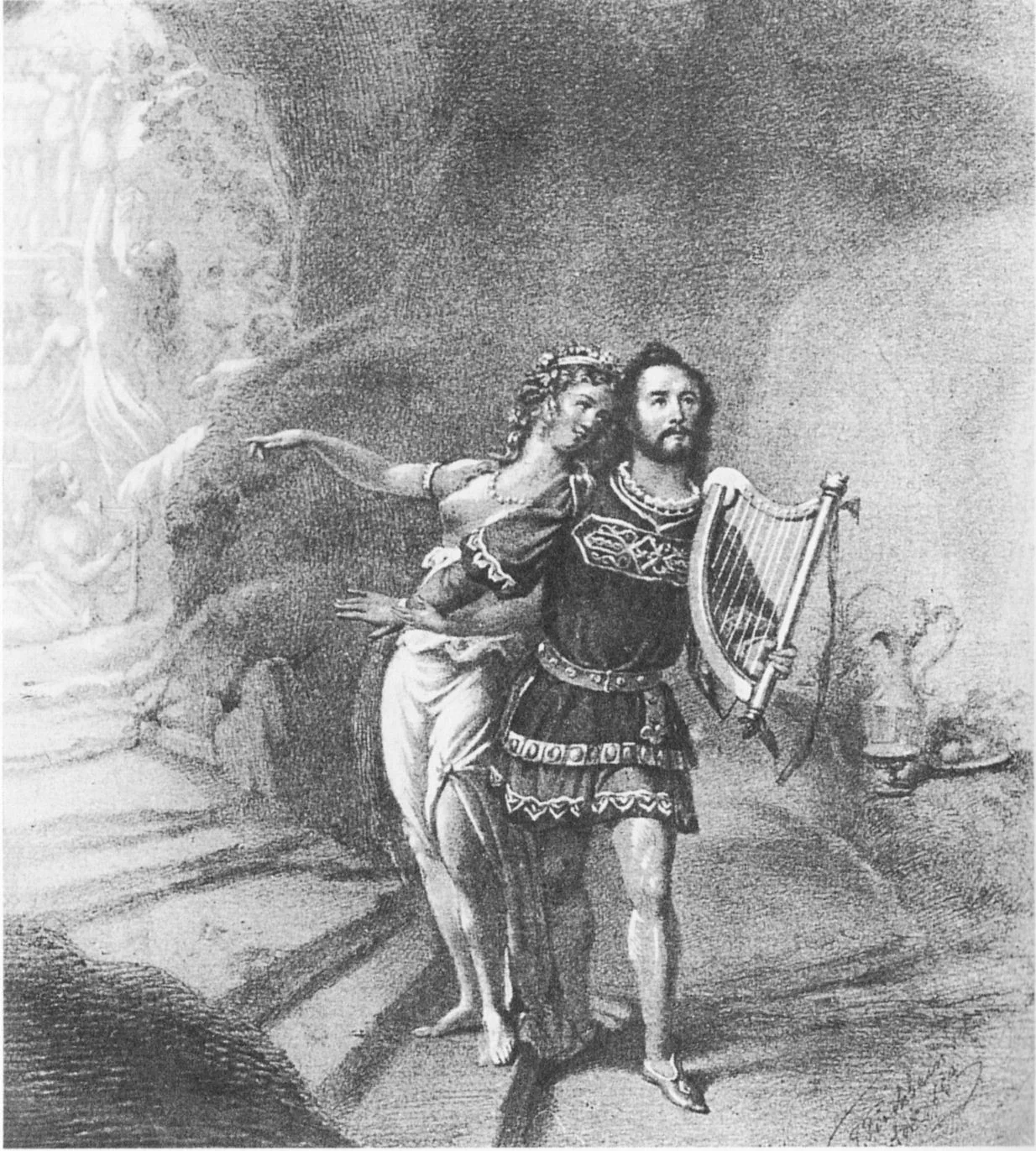
Image from Wikipedia
Image from Wikipedia
Tannhäuser and the Singing Contest at Wartburg
Wagner's Romantic Opera Between Seduction, Redemption, and the Myth of Wartburg
Tannhäuser and the Singing Contest at Wartburg is one of the great romantic operas of the 19th century, combining medieval legend, religious imagery, and passionate musical dramaturgy into a work of exceptional brilliance. Richard Wagner wrote both music and text; the opera was created as a three-act music drama based on two independent thematic circles: the Tannhäuser myth and the singing contest at Wartburg. At its center is the conflict between sensual, secular love and sacred, redemptive love – a theme that profoundly shapes Wagner's artistic development and takes on new forms in his later works. (de.wikipedia.org)
Origins and Literary Roots
The material of the work is rooted in the German legends and song tradition. The Wartburg is closely associated with medieval lore as a mythical site of the singing contest, while the character of Tannhäuser originates from a second, independent world of legends. Wagner fused these two narrative strands into a drama that offers not so much a historical reconstruction as a poetic condensation. It is precisely this connection of myth, symbol, and psychological conflict that makes the opera so fascinating to this day. (wartburg.de)
The Premiere in Dresden and the Early Journey of the Work
The world premiere took place on October 19, 1845, at the Royal Court Theatre in Dresden. The initial reception from the audience was not triumphant, but the opera quickly gained presence in the repertoire of smaller and mid-sized houses and became a central Wagner title with significant impact. Wagner revised the score multiple times; particularly, the Paris version from 1861 marks an important turning point in the reception history. There, the work was presented in an expanded form, which sparked the legendary opera scandal in Paris and further fueled the opera's fame. (wagneropera.net)
Plot: Venusberg, Wartburg, and the Trip to Rome
The opera tells the story of Tannhäuser, who returns to the world of humans after a year in the realm of Venus and is torn between erotic temptation and spiritual longing. The second act takes place in the Wartburg, where a singing contest about the nature of love occurs, and Elisabeth appears as the central counterfigure to Venus. In the third act, the drama intensifies into a tale of redemption: Tannhäuser's pilgrimage to Rome, his despair over the papal refusal, and the culminating path to salvation are among the most poignant moments in Wagner's operatic oeuvre. (metopera.org)
Musical Language and Dramatic Architecture
Musically, Tannhäuser shows the transition from early romantic music theater to the condensation that Wagner would later elevate to a new level with the concept of the Gesamtkunstwerk. The score works with sharply contrasted sound spaces: the seductively shimmering Venusberg, the sacred pilgrim chorus, and the representative world of Wartburg create a dramatic polarity that is conceived not only theatrically but also symphonically. It is particularly in the connection of orchestral language, leitmotif technique, and vocal declamation that the composer emerges as a master of musical development. (metopera.org)
Critical Reception and Cultural Impact
The opera has a long history of controversial reception. Even the Paris performances were heavily discussed by critics and audiences; the length of certain scenes, the unusual dramaturgy, and Wagner's aesthetic ambitions provoked resistance. At the same time, the work grew to become a focal point of Wagner reception and inspired later literary and symbolist interpretations. The cultural impact of Tannhäuser extends far beyond the opera stage: the material became a site where German myth-making, religious narrative, and romantic artistic aesthetics fused together. (wagneropera.net)
Discography and Significance in Recording Canon
In the realm of recordings, Tannhäuser holds a special position. While the opera has an extensive but somewhat limited discography compared to other Wagner titles, there are numerous significant complete recordings and live recordings that document the work in different historical and aesthetic interpretations. Various labels, radio productions, and opera archives have preserved the title over the decades, resulting in a multifaceted picture of its performance history. The recording history also shows how much the work continues to challenge singers, conductors, and opera houses to this day. (musicwebinternational.com)
Current Stage Presence and Ongoing Relevance
Even in 2024 and 2025, Tannhäuser remains a vibrant part of the opera repertoire, as current productions and program texts from major opera houses demonstrate. The ongoing engagement with the work underscores its relevance for contemporary directorial approaches that reinterpret the dichotomy between body and spirit, desire and salvation, society and individual. This is where the lasting tension of the opera lies: it speaks not only of a historical legend but of a lasting cultural conflict that each generation recognizes anew. (feuilletonfrankfurt.de)
Voices of the Fans
As no verifiably official social media channels for the work were found, this section has been deliberately omitted. For a serious and trustworthy artist or work page, the rule is: No fan quotes without solid, official attribution. Instead, the focus is on verifiable sources and the historical-musical classification. (de.wikipedia.org)
Conclusion: Why Tannhäuser Continues to Electrify Today
Tannhäuser and the Singing Contest at Wartburg remains compelling because the opera condenses the great romantic theme in its purest form: the human being caught between pleasure, guilt, art, and redemption. Wagner here combines mythical imagery, psychological intensification, and a score of enormous expressiveness into a music drama that has profoundly shaped the history of opera. Those who experience this work live encounter Wagner's art in a form that continues to challenge us directly, sensually, and intellectually to this day. (de.wikipedia.org)
Official Channels of Tannhäuser and the Singing Contest at Wartburg:
- Instagram: No official profile found
- Facebook: No official profile found
- YouTube: No official profile found
- Spotify: No official profile found
- TikTok: No official profile found
Sources:
- Wikipedia – Tannhäuser and the Singing Contest at Wartburg
- Metropolitan Opera – Tannhäuser Program Notes
- Metropolitan Opera – Tannhäuser Synopsis
- Wartburg – Singing Contest at Wartburg
- Wagneropera.net – Tannhäuser (Tannhäuser and the Singing Contest at Wartburg)
- Feuilleton Frankfurt – Opera Report on the Frankfurt Opera, 2024
- Opera Discography – Tannhäuser recordings