
Markus Stockhausen
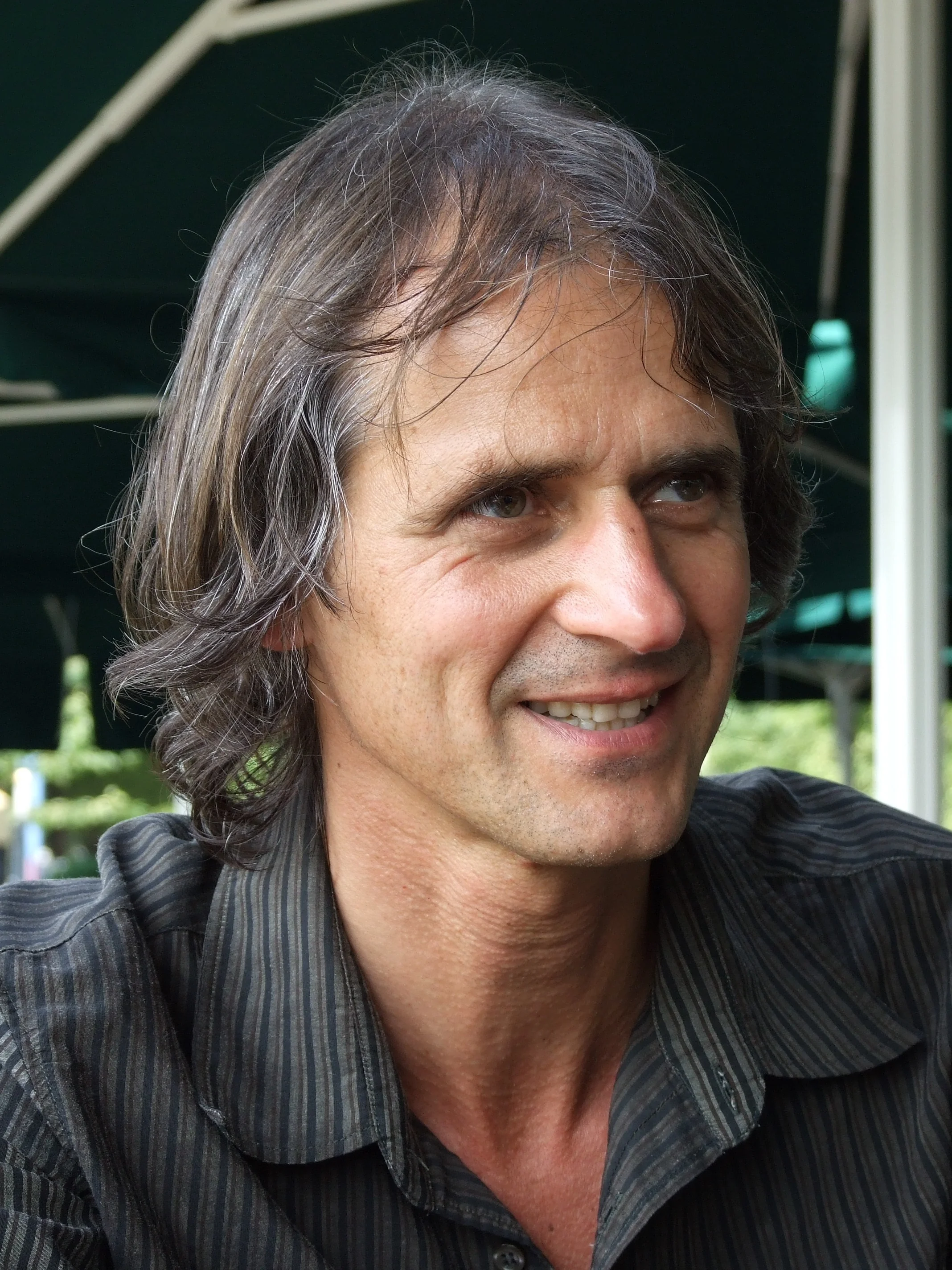
Image from Wikipedia
Image from Wikipedia
Markus Stockhausen – Trumpet, Composition, and the Art of Sound between Jazz, Modernity, and Improvisation
A German exceptional musician with a signature of light, structure, and freedom
Markus Stockhausen, born on May 2, 1957, in Cologne, is among the most prominent trumpeters and composers in the German and European jazz and contemporary music scene. As the son of Karlheinz Stockhausen, he grew up in an environment where sound, form, and experimentation were not exceptions but artistic everyday life. His biography combines classical training, improvisational freedom, and an extraordinary closeness to large compositional forms. ([de.wikipedia.org](https://de.wikipedia.org/wiki/Markus_Stockhausen?utm_source=openai))
Biographical Roots: Cologne, the Stockhausen Family, and Early Influences
Markus Stockhausen's artistic development began early and unusually consistently. According to biographical information from official sources and renowned music references, he gained his first recording experience as a child, took piano lessons at six, and turned to jazz and the trumpet in 1969. This early multifaceted influence explains why he was later able to switch effortlessly between improvised music, contemporary composition, and chamber music formats. ([open.spotify.com](https://open.spotify.com/artist/6t6xNnF7XUwekwigQ3hGHl?utm_source=openai))
His musical socialization was closely related to his father's works. From 1975 to 2001, he participated in Karlheinz Stockhausen's ensembles and took on solo parts in central work complexes such as SIRIUS, DONNERSTAG aus LICHT, and SAMSTAG aus LICHT. These milestones not only made him an interpreter but also a co-creator of music that considers composition and performative presence as a unity. ([dewiki.de](https://dewiki.de/Lexikon/Markus_Stockhausen?utm_source=openai))
The Beginning of His Solo Career and the Path to the International Scene
The decisive breakthrough as a soloist came in 1981 with the award from the German Music Competition. With this, Markus Stockhausen stepped out from under the shadow of family history and established an independent career based on technical sovereignty, tonal sensitivity, and stylistic openness. During this phase, he played in jazz formations such as Key, Riot, and the Rainer Brüninghaus Group, and performed at renowned festivals both in Germany and abroad. ([markusstockhausen.de](https://www.markusstockhausen.de/trompeter-musiker-komponist/9/bio?lang=enen%2Fcazkolik_interview&utm_source=openai))
His international recognition grew alongside his stylistic versatility. AllMusic describes him as a musician whose career began with his father's works, but who later gained profile with his own improvisations and premieres of new music. This dual role as a jazz trumpeter and contemporary composer remains one of his trademarks to this day. ([allmusic.com](https://www.allmusic.com/artist/markus-stockhausen-mn0000338332?utm_source=openai))
Musical Development: Between Jazz, Classical, and Intuitive Music
Markus Stockhausen has never relied on a single language. Official and critical sources emphasize his position between classical repertoire, contemporary trumpet art, jazz, and intuitive music. It is precisely in this openness that his artistic authority lies: he treats improvisation not as an antithesis to composition, but as its natural extension. ([markusstockhausen.de](https://www.markusstockhausen.de/trompeter-musiker-komponist/81/markus-stockhausen-solo-i/?lang=ende%2Feditpage&utm_source=openai))
His concert series "Sound Visions," which included 118 concerts in Cologne from 2000 to 2010, exemplifies this mindset. Here, music was not only performed but understood as a space for consciousness, empathy, and spirituality. The recurring guiding principle "Transformation through Sound" precisely describes what distinguishes his art: a connection of formal rigor, inner peace, and spiritual expansiveness. ([deutschlandfunk.de](https://www.deutschlandfunk.de/musik-und-fragen-zur-person-der-trompeter-und-komponist-100.html?utm_source=openai))
Discography: From Continuum to Celebration
The discography of Markus Stockhausen is extensive and multifaceted; official records list more than 90 CD releases. Some of the early and stylistically significant recordings include Continuum, Solo I, Invention is You, Markus Stockhausen Plays Karlheinz Stockhausen, Symbiosis, Blauklang, as well as later projects such as Alba, Far into the Stars, Tales, and Celebration. These releases document a career focused not on repetition, but on continuous sonic renewal. ([de.wikipedia.org](https://de.wikipedia.org/wiki/Markus_Stockhausen?utm_source=openai))
Particularly striking is the range of ensembles. In addition to solo projects, duos, trio formats, chamber works, and larger ensembles were created, including collaborations with Florian Weber, Tara Bouman, Arild Andersen, Ferenc Snétberger, Jörg Brinkmann, and Christian Thomé. In this way, his discography evolves like a map of musical encounters, where jazz, European art music, and improvised sound research stand side by side on equal footing. ([open.spotify.com](https://open.spotify.com/artist/6t6xNnF7XUwekwigQ3hGHl?utm_source=openai))
Compositional Signature and Commissioned Works
Alongside the trumpet, composition is at the center for Markus Stockhausen. His official biography already points to several world premieres and commissioned works: Ascent and Pause for trumpet and string orchestra, Portrait for Tara, Sunrise for the jazz trio MAP, Any Way, Miniature for the 12 cellists of the Berlin Philharmonic, Symbiosis, and Dancing Light. These works demonstrate a composer who is institutionally anchored while also maintaining a personal musical language. ([markusstockhausen.de](https://www.markusstockhausen.de/trompeter-musiker-komponist/9/bio?lang=enen%2Fcazkolik_interview&utm_source=openai))
His compositional style is based on the connection between clear structure and improvisational energy. The works are often designed in such a way that free and precisely notated passages interweave, thus creating a special sonic depth. This very connection makes his music appealing to jazz audiences, classical listeners, and fans of contemporary sound art alike. ([markusstockhausen.de](https://www.markusstockhausen.de/trompeter-musiker-komponist/85/symbiosis?utm_source=openai))
Critical Reception, Awards, and Cultural Influence
The professional press has repeatedly recognized Markus Stockhausen as an outstanding sound artist. Klassik Heute emphasized his versatility as a trumpet soloist, while the Kölner Stadt-Anzeiger described his meditative calm and the almost spatial effect of his music. Such reactions show how strongly his work resonates not only technically but also atmospherically and emotionally. ([markusstockhausen.de](https://www.markusstockhausen.de/trompeter-musiker-komponist/81/markus-stockhausen-solo-i/?lang=ende%2Feditpage&utm_source=openai))
His list of awards also underscores his significance: Prize of the German Music Competition in 1981, Prize of the German Record Critics in 1983 for Continuum, European Music Support Prize in 1996, WDR Jazz Prize in 2005 as Best Improviser, JTI Jazz Award and Silver Tuning Fork in 2017, ECHO Jazz in 2018 for Far into the Stars, German Jazz Prize in 2021, as well as an election to the North Rhine-Westphalian Academy of Sciences and Arts in 2023. These milestones mark a career that connects artistic authority with lasting relevance. ([de.wikipedia.org](https://de.wikipedia.org/wiki/Markus_Stockhausen?utm_source=openai))
His cultural influence extends beyond jazz. The neue musikzeitung describes him as a musician whose impact radiates far into E- and improvisational music. At the same time, collaborations with ensembles such as the London Sinfonietta, Metropole Orkest, the 12 cellists of the Berlin Philharmonic, the Swiss Jazz Orchestra, and the Hamburg Symphony Orchestra demonstrate the broad aesthetic range he actually possesses. ([nmz.de](https://www.nmz.de/menschen/portraets/popmusiker-wider-willen?utm_source=openai))
Current Projects and Releases
In 2024 and 2025, Markus Stockhausen remains productive and present. The Markus Stockhausen Group released the double album Celebration in April 2024 under o-tone music; simultaneously, the official website notes concerts and projects in 2024. Additionally, Spotify lists titles like Between Earth and Sky, Atlas (Remastered), and Live in Gran Canaria among current releases and profile information for 2026, documenting the artist's ongoing activity. ([markusstockhausen.de](https://www.markusstockhausen.de/trompeter-musiker-komponist/603/markus-stockhausen-group/?lang=en%2Fm&utm_source=openai))
For 2026, the Spotify profile also lists upcoming concerts, including performances in Bremen, Neuhardenberg, Cologne, and Frankfurt. These dates show that Markus Stockhausen not only generates continuous new resonance on records but also on stage. Thus, his musical career remains a lively contemporary story, not just a retrospective of past successes. ([open.spotify.com](https://open.spotify.com/artist/6t6xNnF7XUwekwigQ3hGHl?utm_source=openai))
Conclusion: A Musician Who Transforms Sound into Experience
Markus Stockhausen is fascinating because he does not separate technical mastery, compositional intelligence, and spiritual depth but instead combines them into a distinctive sonic language. His music thrives on presence, concentration, and the rare ability to make even complex forms sound humanly close. Those who love contemporary jazz, open improvisation, and sound-conscious composition will find here an artist of extraordinary consistency. ([markusstockhausen.de](https://www.markusstockhausen.de/trompeter-musiker-komponist/9/bio?lang=enen%2Fcazkolik_interview&utm_source=openai))
His career shows how far the trumpet can reach as an expressive medium: from intimate solo to chamber music to large forms with orchestra. That's precisely why it's worthwhile to experience Markus Stockhausen live, where precise design becomes immediate musical experience. ([deutschlandfunk.de](https://www.deutschlandfunk.de/musik-und-fragen-zur-person-der-trompeter-und-komponist-100.html?utm_source=openai))
Official Channels of Markus Stockhausen:
- Instagram: No official profile found
- Facebook: No official profile found
- YouTube: No official profile found
- Spotify: https://open.spotify.com/artist/6t6xNnF7XUwekwigQ3hGHl
- TikTok: No official profile found
Sources:
- Markus Stockhausen – Biography - Official Website
- Markus Stockhausen – Discography - Official Website
- Markus Stockhausen Group - Official Website
- Spotify - Markus Stockhausen
- AllMusic - Markus Stockhausen
- Deutschlandfunk - Music and Questions about the Person: The Trumpeter and Composer Markus Stockhausen
- neue musikzeitung - The Unheard Popularity of Stockhausen
- Wikipedia - Markus Stockhausen