
Gregg Araki
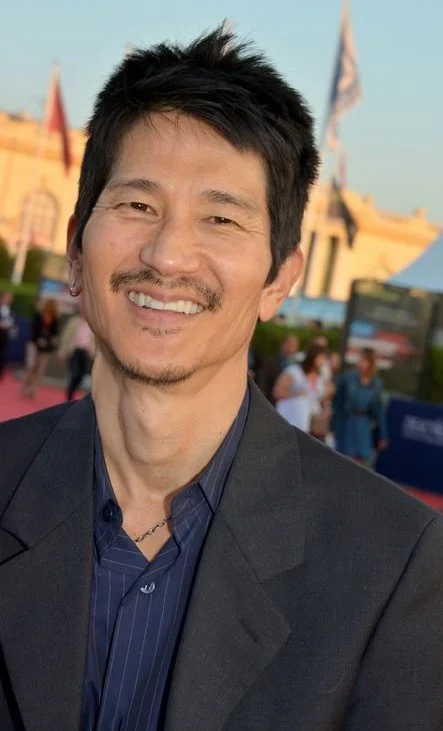
Image from Wikipedia
Image from Wikipedia
Gregg Araki – the Radical Chronicler of Queer Independent Cinema
A Filmmaker Between Punk, Pop, and Provocation
Gregg Araki is one of the most influential voices in American independent cinema. Born on December 17, 1959, in Los Angeles and raised in California, he early on developed a style that consistently challenged conventions. His films combine sexual self-determination, youth culture, pop aesthetic exaggeration, and a keen sense for outsider figures. Araki is considered a central figure of New Queer Cinema and a director who shaped a distinctive visual language from low budgets. ([en.wikipedia.org](https://en.wikipedia.org/wiki/Gregg_Araki?utm_source=openai))
Early Influences, Studies, and Entry into Film Criticism
Araki studied at the School of Cinema-Television at the University of Southern California, graduating in 1982. He early on combined this academic foundation with a critical engagement with film culture; later, he worked as a film critic for LA Weekly. From this dual role as observer and creator, he developed a perspective on cinema that not only tells stories but also comments, provokes, and reveals cultural tensions. This early connection of theory, criticism, and production shaped his entire musical career in a broader sense as a distinct and consistent authorial path. ([de.wikipedia.org](https://de.wikipedia.org/wiki/Gregg_Araki?utm_source=openai))
After his studies, Araki founded his own production company, Desperate Pictures, a step that secured his independence sustainably. This self-organization is a core component of his artistic development: he did not rely on the mechanisms of large studios but built a production reality where experimentation remained possible. It is from this that the raw, direct energy that makes his early works so unmistakable emerged. ([de.wikipedia.org](https://de.wikipedia.org/wiki/Gregg_Araki?utm_source=openai))
The Breakthrough with New Queer Cinema
Araki became known for films that do not smooth over sexuality, identity, and youth culture, but rather place them at the center. His name is closely associated with New Queer Cinema, a movement that showcased queer life with political sharpness, stylistic freedom, and radical openness. Notably, The Living End and the Teen Apocalypse Trilogy established him as a director whose works are considered cult films and can also be read as markers of a cultural turning point. ([en.wikipedia.org](https://en.wikipedia.org/wiki/Gregg_Araki?utm_source=openai))
The Teen Apocalypse Trilogy, comprising Totally F***ed Up, The Doom Generation, and Nowhere, impressively crystallized Araki's thematic world. Here, alienated youth, pop cultural references, radical sexuality, and a dark yet ironic worldview intersect. The films have been perceived as culturally significant works because they depict the vulnerability of young people with a visual force that goes far beyond mere provocation. ([en.wikipedia.org](https://en.wikipedia.org/wiki/Totally_F%2A%2A%2Aed_Up?utm_source=openai))
Style: Pop Aesthetics, Punk Energy, and Cinematic Unrest
Araki's directing style is characterized by rapid mood swings, conscious exaggeration, and a visual language that intertwines pop and abyss. In his early works, dialogues often feel like shards from the counterculture, while color dramaturgy, montage, and sound design create a feverish youth atmosphere. The combination of low-budget aesthetics and precise attitude makes his films not just time capsules, but enduring reference points for queer and independent cinema. ([latimes.com](https://www.latimes.com/archives/la-xpm-1995-10-27-ca-61925-story.html?utm_source=openai))
Musically, Araki is also strongly coded. An article in The Guardian describes how his films are influenced by shoegaze; other sources point out that the titles and moods of his works respond to bands and albums of that era. The Living End and Nowhere are examples of how Araki uses music not merely as accompaniment but as aesthetic architecture. This results in films with an almost album-like dramaturgy, where rhythm, atmosphere, and emotional dynamics are closely intertwined. ([theguardian.com](https://www.theguardian.com/film/2011/aug/06/gregg-araki-kaboom-shoegazing?utm_source=openai))
Critical Reception and Cultural Influence
The reception of Araki's work has always been intense. The Los Angeles Times described him in the 1990s as one of America's most talented and provocative filmmakers, placing young people’s insecurities, desires, and identity questions at the center. This attribution hits the core of his work: Araki is interested in characters who are searching for themselves, bumping into obstacles and appearing authentic through their contradictions. ([latimes.com](https://www.latimes.com/archives/la-xpm-1995-10-27-ca-61925-story.html?utm_source=openai))
His cultural influence extends beyond queer cinema. Araki shaped a generation of viewers who sought not only representation in independent film but also stylistic resistance. His films became reference points for an aesthetics of disobedience: loud, vulnerable, ironic, erotic, and never complacent. The fact that his works continue to appear in retrospectives, restorations, and special screenings shows how lasting his influence has remained on film culture and pop discourse. ([cinema.ucla.edu](https://cinema.ucla.edu/events/terminal-usa-mysterious-skin-11-02-24/?utm_source=openai))
Later Works, Series, and Current Projects
Araki remained productive even after the formative 1990s, seeking new forms for his themes. With Mysterious Skin, he expanded his range with an emotionally complex, dark drama that demonstrated his sensitivity to vulnerability and abysses. This was followed by works like Kaboom and White Bird in a Blizzard, which continued his interest in genre, melodrama, and youth observation. ([en.wikipedia.org](https://en.wikipedia.org/wiki/Gregg_Araki?utm_source=openai))
Television also became an important terrain. With the series Now Apocalypse, Araki returned in 2019 to a format that conveyed his themes of sexuality, identity, and surreal self-exploration into a contemporary present. For 2026, I Want Your Sex is documented as a new project; reports describe the film as a provocative return of a director who continues to challenge prudery and artistic inertia even after decades. ([imdb.com](https://www.imdb.com/news/ni62405766/?utm_source=openai))
Discography, Soundtrack Culture, and Cinematic Musical Dramaturgy
Gregg Araki does not have a classical discography in the sense of a musician, but his filmography is closely linked to music and soundtrack culture. Particularly, Nowhere is an example of how much Araki works with musical references and thinks of his films as multimedia cultural products. His works are not only visual narratives but also catalogs of mood, scene, and musical zeitgeist. ([en.wikipedia.org](https://en.wikipedia.org/wiki/Nowhere_%281997_film%29?utm_source=openai))
The connection between cinema and music in Araki's works is never decorative. It structures characters, environments, and emotional tensions, often so precisely that the sound layer forms a second commentary on the action. For this reason, his films read like curated compositions: every scene fits within the arrangement of moods, and every break feels like a consciously set chord. ([theguardian.com](https://www.theguardian.com/film/2011/aug/06/gregg-araki-kaboom-shoegazing?utm_source=openai))
Why Gregg Araki Remains Fascinating to This Day
Gregg Araki is fascinating because he transforms resistance into form. His films combine queer self-assertion, youthful rebellion, and a quirky pop poetics into a body of work that never stands still and never becomes complacent. Watching Araki means experiencing cinema as attitude: uncompromising, sensitive, provocative, and always close to the edges of culture. This is precisely why it is worth rediscovering his works time and again and experiencing them on the big screen when possible. ([en.wikipedia.org](https://en.wikipedia.org/wiki/Gregg_Araki?utm_source=openai))
Official Channels of Gregg Araki:
- Instagram: No official profile found
- Facebook: No official profile found
- YouTube: No official profile found
- Spotify: No official profile found
- TikTok: No official profile found
Sources:
- Wikipedia: Gregg Araki
- Wikipedia: Gregg Araki (English)
- Festival du Cinéma Américain de Deauville – Gregg Araki
- Los Angeles Times – Movie Review: Araki Loses His Way on Road to 'Doom'
- The Guardian – Gregg Araki's films are giving the US a crash course in shoegazing
- IMDb – Gregg Araki
- IndieWire via IMDb – Gregg Araki Was 'Born at the Exact Right Moment' to Ignite ’90s Queer Punk Rock Cinema
- Starz/IMDb – Now Apocalypse: Gregg Araki and Karley Sciortino on Creating Sexually Adventurous Characters
- Deadline via IMDb – Gregg Araki on Making Movies Now and the State of the Industry
- Filmmaker Magazine via IMDb – Sex and Sexuality Have Been Central to All of My Movies
- IMDb – Gregg Araki’s The Doom Generation Returns to Theaters
- Wikipedia: Nowhere (1997 film)
- Wikipedia: The Living End (film)
- Wikipedia: Mysterious Skin
- Olympia Film Society – Nowhere: 4K Uncensored Director’s Cut